
Thinking about moving from a long-loved Lawrence Park house to a refined condo or townhome nearby, but not sure where to start? You want to keep the midtown comfort, protect your privacy, and move without stress. This playbook gives you clear steps on timing, sequencing a sale and purchase, financing options, premium presentation, and a realistic timeline. Let’s dive in.
Why Lawrence Park downsizing is unique
Lawrence Park is a mature, luxury freehold market known for early 20th-century homes, tree-lined streets, and substantial lots. Detached properties typically sell well above city averages because of lot size, architecture, and location. At the same time, high-quality boutique condos and townhomes in midtown are limited, which can create competition for the best turnkey units.
As a downsizer, you are likely aiming to stay close to transit, shopping, parks, and respected schools while simplifying your maintenance. Planning early and presenting your home precisely to the premium buyer pool will give you more control over timing and net proceeds.
Choose your move sequence
Sell first, then buy
- Pros: Your sale proceeds are available, financing is simpler, and you hold a stronger position when writing offers on your next place.
- Cons: You may need temporary housing or a bridge loan if the right condo or townhome is not available immediately.
Buy first with a sale condition
- Pros: You secure the unit you want and can plan a smoother lifestyle transition.
- Cons: You take on the risk of carrying two mortgages if your sale takes longer. You need strong pre-approval and carefully drafted conditions to limit exposure.
Coordinate simultaneous closings
- Pros: You move once and avoid interim housing.
- Cons: This requires careful legal and lender coordination, plus calendar risk if one side is delayed.
Sell with a rent-back period
- Pros: You close your sale and then rent back for a short period, often 30 to 90 days, to bridge to your purchase.
- Cons: It must be documented properly as a lease, and insurance and liability need to be handled.
Financing tools that support your plan
Mortgage porting
- Many Canadian mortgages are portable with lender approval. Porting can preserve your existing interest rate and terms.
- Your lender will underwrite the new purchase amount and confirm qualification. Start this conversation before you list.
Bridge financing and HELOC options
- Bridge loans cover the gap between purchase and sale. They are short term and usually interest-only with higher rates than standard mortgages.
- If you have significant equity, a HELOC or second mortgage may fund a purchase before your sale settles, subject to lender approval.
Pre-approval and cash flow planning
- Get pre-approved early, factoring in porting and bridge scenarios. Ask your lender or broker to model carry costs in a worst-case timeline.
- Align financing with your chosen sequencing so you can write competitive offers without undue risk.
Map the costs before you list
- Realtor commissions: Typically a negotiated percentage of sale price. Confirm the structure and inclusions upfront.
- Closing costs when buying: Ontario Land Transfer Tax plus the City of Toronto Municipal Land Transfer Tax apply to most purchases, along with legal fees and title insurance.
- Taxes on the property: The principal residence exemption generally shields gains for your primary home, though individual situations vary. Speak with a tax professional.
- New-build considerations: GST/HST applies to most new properties or substantially renovated homes. Resale homes generally do not include GST/HST.
- Condo carrying costs: Monthly maintenance fees vary by building and amenities. Compare total monthly costs to your current property taxes, utilities, and maintenance.
Present for premium results
Privacy-first staging and marketing
- Depersonalize and minimize family photos or sensitive items, while keeping a warm, high-end feel.
- Create elegant vignettes that highlight private spaces such as the primary suite, office, and secluded outdoor areas.
- Control access with appointment-only showings and vet buyers when appropriate. Virtual tours can be a first filter.
Curb appeal and mature landscape
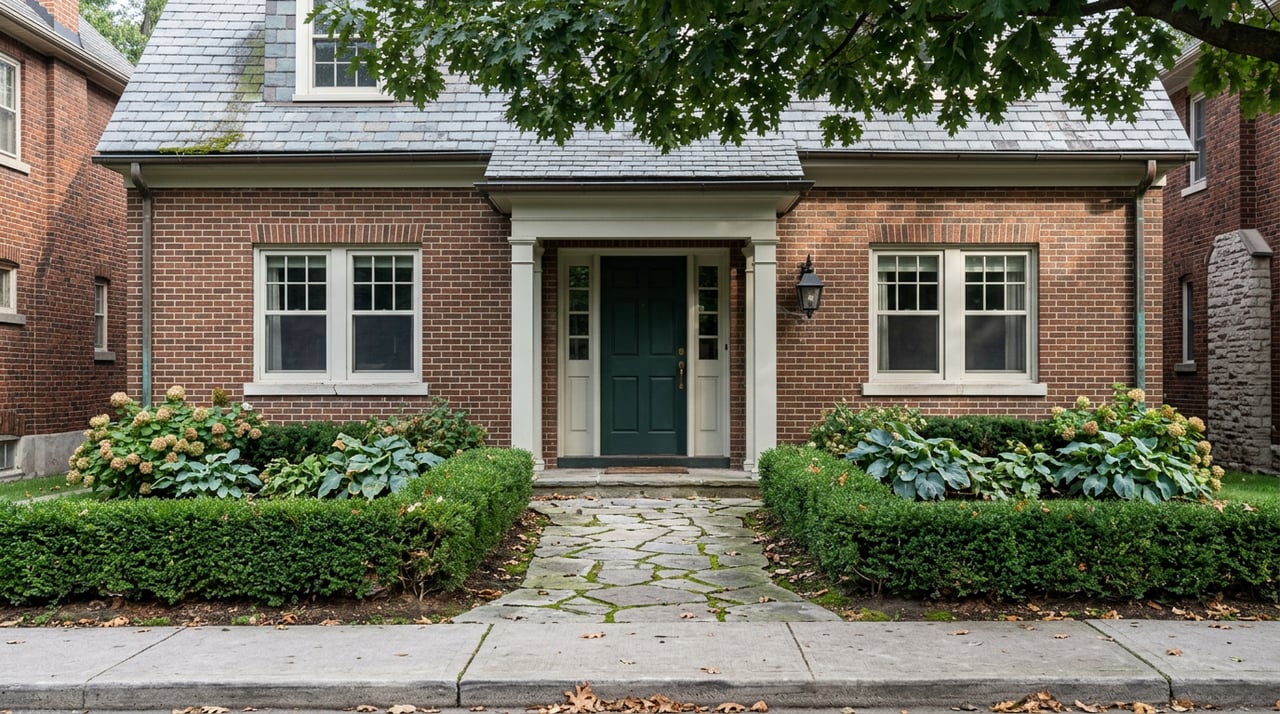
- Refresh the front garden with professional pruning, lawn care, and seasonal plantings. Power-wash walkways and update door hardware if needed.
- Mature trees and established landscaping are selling features. Address visible health or maintenance issues before listing.
Interior condition and targeted upgrades
- Pursue a turnkey presentation: complete minor repairs, apply fresh neutral paint, and schedule a deep clean and decluttering.
- Spotlight performance in kitchens and primary baths. Consider high-impact upgrades like lighting, hardware, closet systems, and privacy-preserving window treatments.
Staging and media
- Professional staging with scaled furniture, curated art, and layered lighting helps buyers read the flow and scale of larger homes.
- Use high-resolution photography, twilight images, detailed floor plans, and immersive virtual tours or video.
- Drone imagery can showcase the lot and setting, subject to Transport Canada regulations and local bylaws. Avoid capturing neighboring private areas.
Inspections, disclosures, and bylaws
A pre-listing home inspection can identify issues early and support smoother negotiations. In Ontario, there is no universal mandatory seller disclosure form, but you must not misrepresent the property and should disclose known latent defects. If your property has heritage status or is affected by conservation or municipal bylaws, confirm any restrictions that could impact renovations or exterior changes and be ready to disclose.
A 12-month downsizing timeline
9 to 12 months before your move
- Meet a Lawrence Park–experienced advisor to discuss pricing, timing, and suitable condo or townhome options nearby.
- Review finances with your lender or mortgage broker, including porting, bridge financing, and carry-cost scenarios.
- Begin decluttering and inventorying possessions. Explore donation or estate-sale options for large collections.
3 to 6 months before your move
- Decide your sequencing strategy: sell first, buy first with conditions, simultaneous closings, or a rent-back.
- Get formal pre-approvals and lender sign-off on porting or bridging.
- Schedule pre-listing repairs, set a staging plan, and obtain quotes from stagers and movers.
- Shortlist target buildings or developments and engage a condo lawyer to discuss status certificates and bylaws.
0 to 3 months during listing and sale
- Execute the marketing plan with professional media and controlled showings. Consider a pre-listing inspection.
- Review and negotiate offers with an eye on closing dates that align with your chosen sequence.
Closing and transition
- Coordinate with both lawyers for simultaneous closings if needed. Book movers, update addresses, and schedule utility transfers.
- If renting back or using bridge financing, ensure all agreements and insurance coverage are in place.
Build your A-team
- Real estate advisor with Lawrence Park and luxury downsizing experience
- Mortgage broker or bank specialist for porting and bridge options
- Real estate lawyer for contracts, closings, rent-back terms, and condo status certificates
- Financial planner or tax advisor for capital gains planning and cash flow
- Professional stager, photographer, and virtual-tour provider
- Condo lawyer or specialist to review declarations, bylaws, and reserve fund studies
- Moving company experienced with high-value contents and a downsizing organizer
- Arborist or landscaper for curb appeal and tree health
Real-world sequencing scenarios
- Scenario A: Minimal disruption with mortgage portability. Port your existing mortgage to the condo if your lender allows. Buy first only if financing is secured, then align closing dates or use a short bridge.
- Scenario B: Maximize sale position by selling first. Accept an extended closing date, then buy with cash from the sale or a quick close. If there is a timing gap, arrange a short-term rental or hotel.
- Scenario C: Secure a scarce unit by buying first with a sale condition. Be prepared to carry two mortgages briefly if needed and maintain strict budget discipline.
What to evaluate in your next condo or townhome
- Due diligence: Have your lawyer review the status certificate, condo declaration and bylaws, reserve fund study, and any planned assessments.
- Lifestyle rules: Confirm policies on renovations, pets, rentals, and balcony use. Note parking and storage allocations.
- Amenities and privacy: Consider concierge services, security, elevator access, and building scale. Boutique buildings and thoughtful layouts can enhance privacy.
- Fees and inclusions: Compare maintenance fees and what they include. Align ongoing costs with your desired monthly budget.
Next steps
Downsizing well is about sequencing, preparation, and presentation. With a clear plan, the right financing pathway, and a privacy-first marketing strategy, you can protect your time, your privacy, and your net proceeds while staying in the midtown neighborhood you love. If you would like a tailored plan, confidential valuation, or a curated list of nearby condo and townhome options, connect with Taylor Townley Real Estate for a discreet consultation.
FAQs
In Lawrence Park, should I sell first or buy first when downsizing?
- Selling first simplifies financing and strengthens offers, while buying first secures your preferred unit but requires careful conditions and the ability to carry costs if timing slips.
How does mortgage porting work for a move to a condo in Toronto?
- Many mortgages are portable with lender approval, which can preserve your rate; expect underwriting on the new purchase amount and confirm terms before listing.
What costs should I budget for when buying a Toronto condo after selling my house?
- Plan for provincial and municipal land transfer taxes, legal fees, title insurance, possible GST/HST on new builds, and ongoing condo maintenance fees.
Will staging and small updates really help my Lawrence Park sale?
- Professional staging and selective high-impact updates often reduce time on market and support pricing, especially when they deliver a turnkey, privacy-forward presentation.
How can I market my home while protecting privacy during showings?
- Use appointment-only access, vet buyers, leverage virtual tours as a first step, limit open houses, and manage photography to avoid sensitive details.
What should I review in a Toronto condo status certificate before waiving conditions?
- Have your lawyer review bylaws, reserve fund studies, budgets, any planned assessments, and parking or storage details so you understand costs and rules upfront.