Thinking about a Rosedale heritage home, or planning a major renovation on the one you own? You likely love the character, the craftsmanship and the setting near ravines and parks. You also want clarity on rules, timelines, costs and how to protect long‑term value. This guide gives you a practical roadmap so you can plan confidently, avoid missteps and position your property for strong resale. Let’s dive in.
What makes Rosedale homes unique
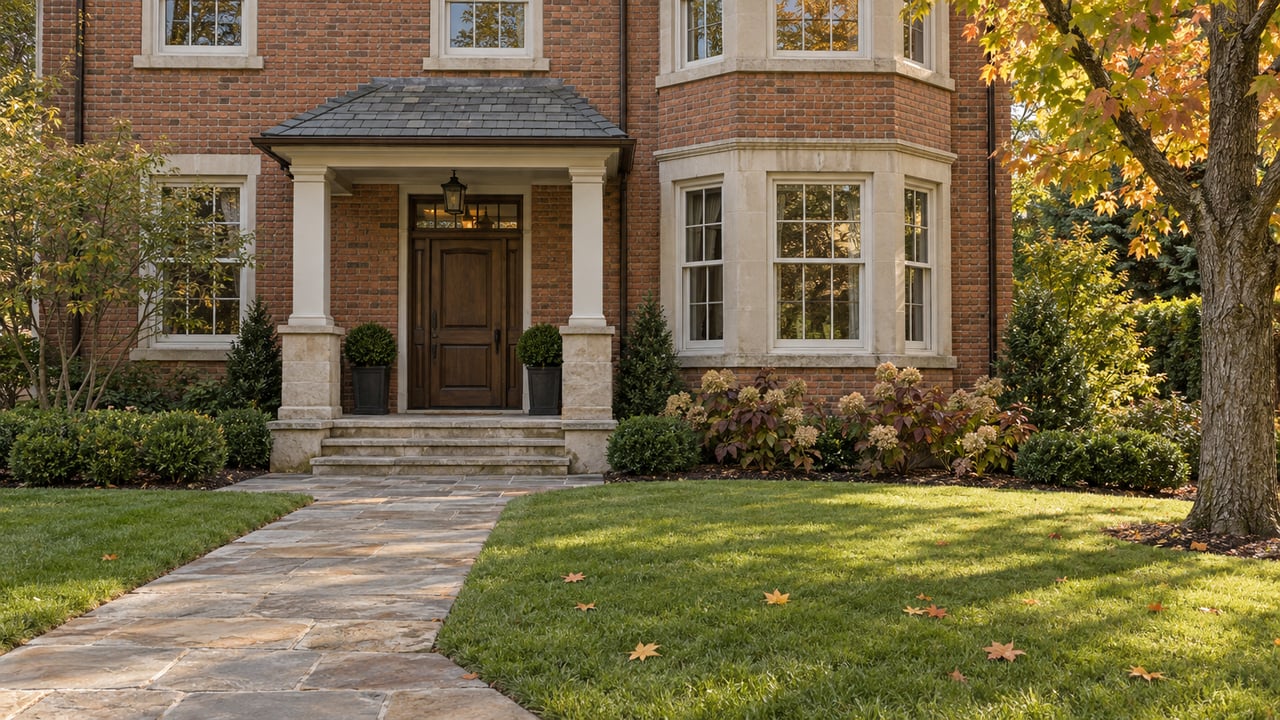
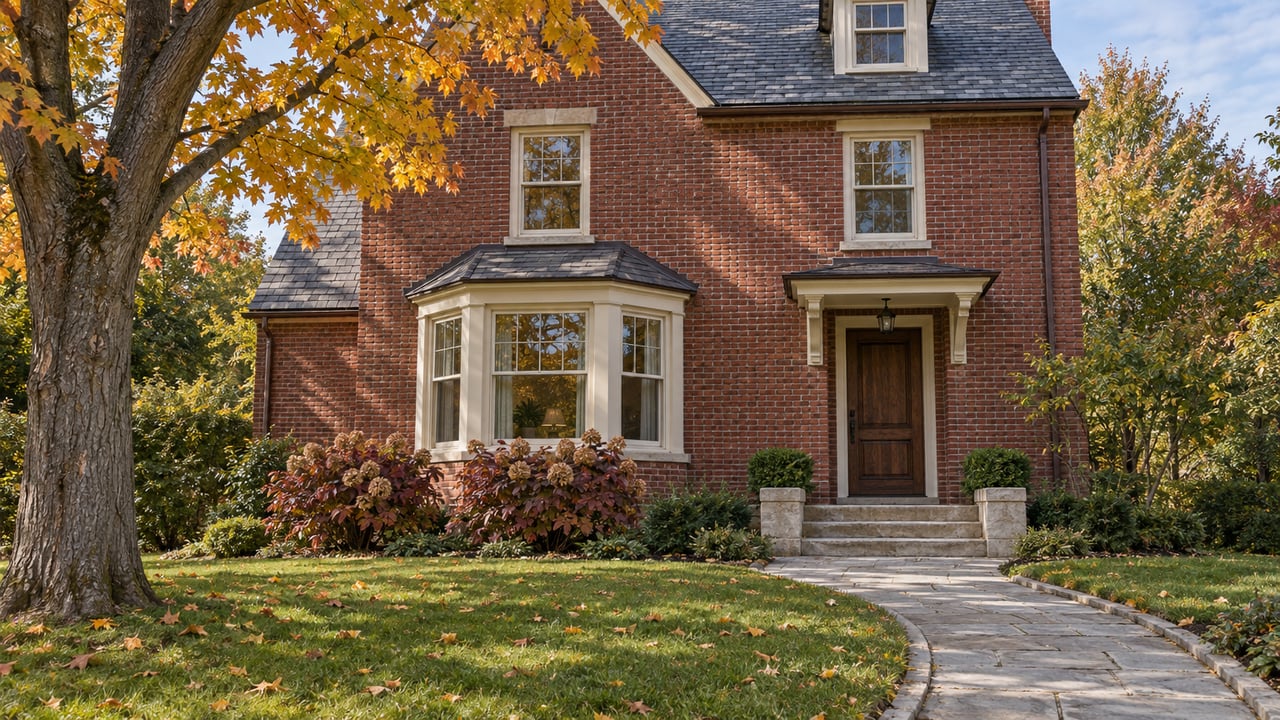
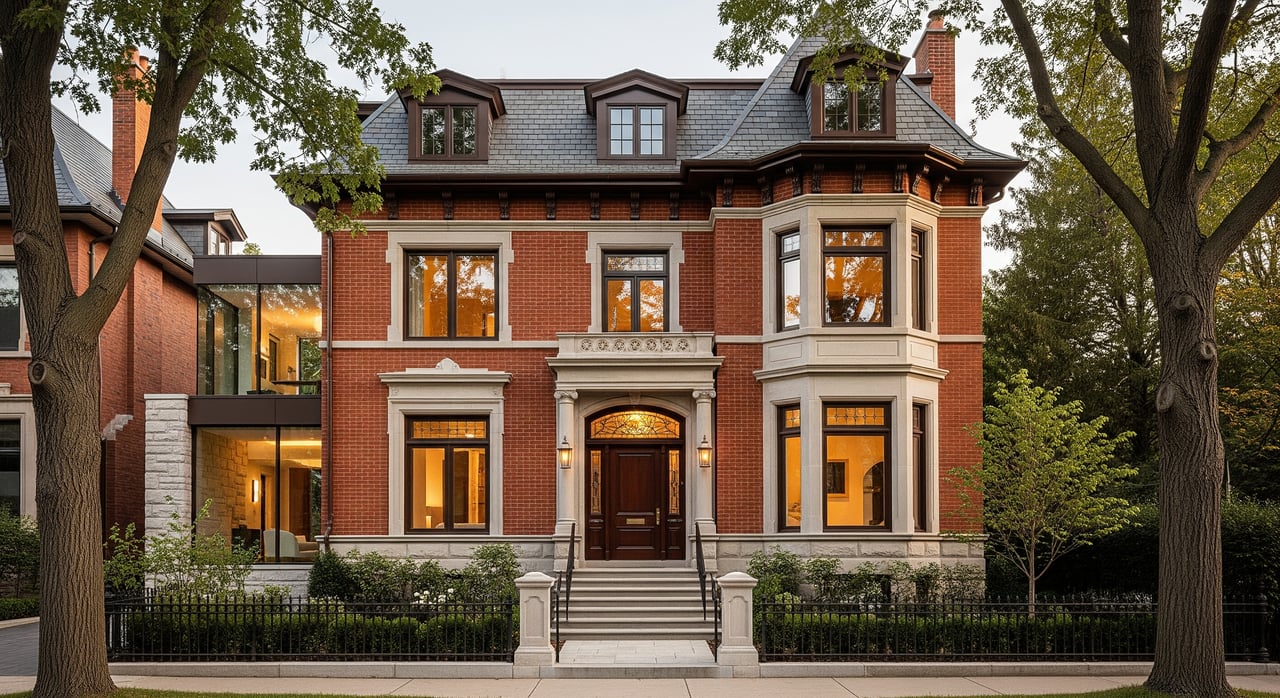
Rosedale is one of Toronto’s oldest enclaves, known for mature tree‑lined streets and a concentration of late 19th and early 20th century architecture. You will see Victorian, Edwardian, Georgian Revival, Tudor Revival and early Arts & Crafts styles, along with interwar mansions and select mid‑century infill.
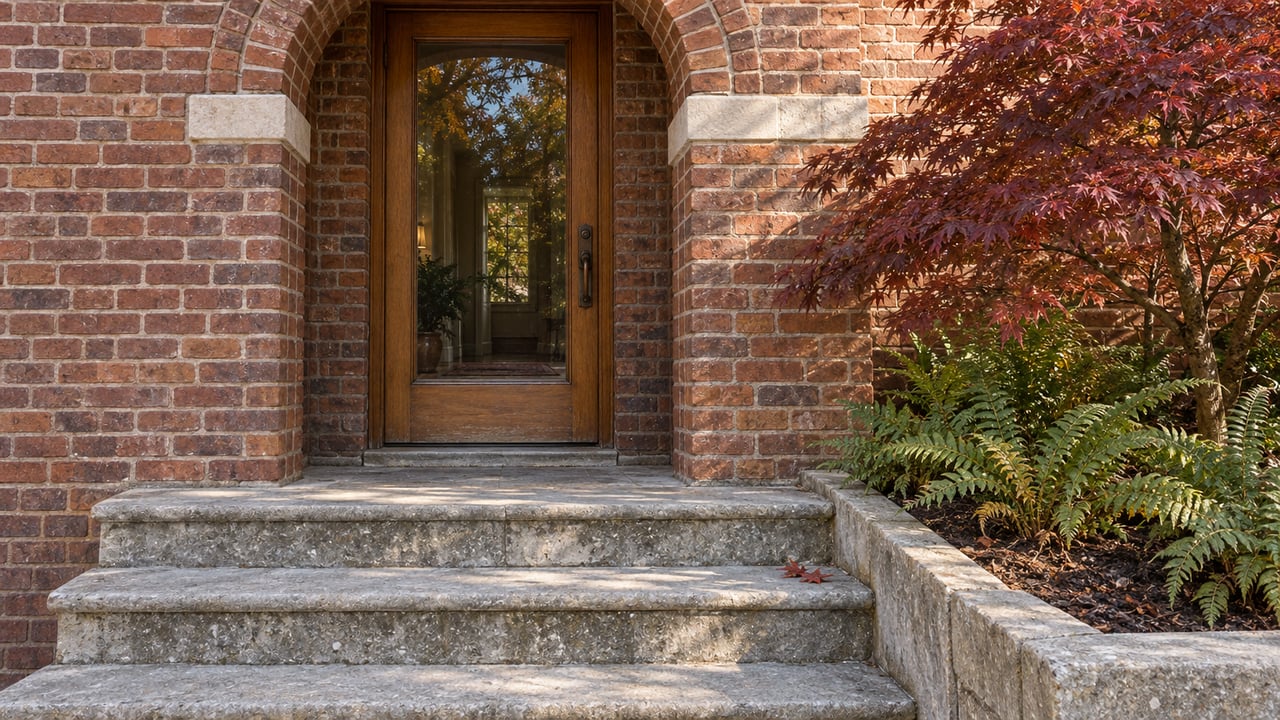
Expect complex rooflines, brick and stone masonry, original wood sash windows, decorative porches and leaded or stained glass. Interiors often feature wainscot, plaster mouldings, hardwood floors and original fireplaces. The location itself adds value thanks to ravine and park adjacency and proximity to central amenities.
For you as a buyer or long‑term owner, that pedigree means higher‑quality materials and many custom details. It also means work on these homes is rarely “standard,” so planning and team selection matter.
Heritage rules in Toronto and Rosedale
Ontario’s heritage framework gives municipalities tools to conserve cultural heritage. In Toronto, properties can be individually designated or included within a Heritage Conservation District under the Ontario Heritage Act. The City maintains a Heritage Register and administers permits for designated properties and for work within districts.
Most controls focus on exterior character. Window replacements, roofing, masonry work, porch changes and additions are commonly reviewed. Additions are usually possible when they are sympathetic and subordinate in scale. Demolition of designated buildings is controlled and may be refused or deferred.
Interior features are less commonly regulated unless specified in an individual designation by‑law. Before you buy or plan work, verify designation status, check any district guidelines and read the by‑law for protected attributes.
Approvals and timelines
A typical path includes confirming designation, consulting City heritage staff and district plans, preparing drawings with a heritage‑experienced designer, then applying for a heritage permit. Larger projects may also require a heritage impact statement. Your building permit generally follows heritage approval.
Timing depends on scope. Minor conservation can move in weeks to a few months. Major alterations, additions or any demolition proposal can take several months, especially if public consultation or Council approval is required. Unpermitted work can trigger stop work orders and penalties, so get the sequence right.
Renovation realities and best practices
Older envelopes need careful attention. Common items include masonry repointing, stone repair, slate or wood roof work and chimney restoration. Original timber framing may require reinforcement. On ravine‑facing lots, drainage and grading deserve early review.
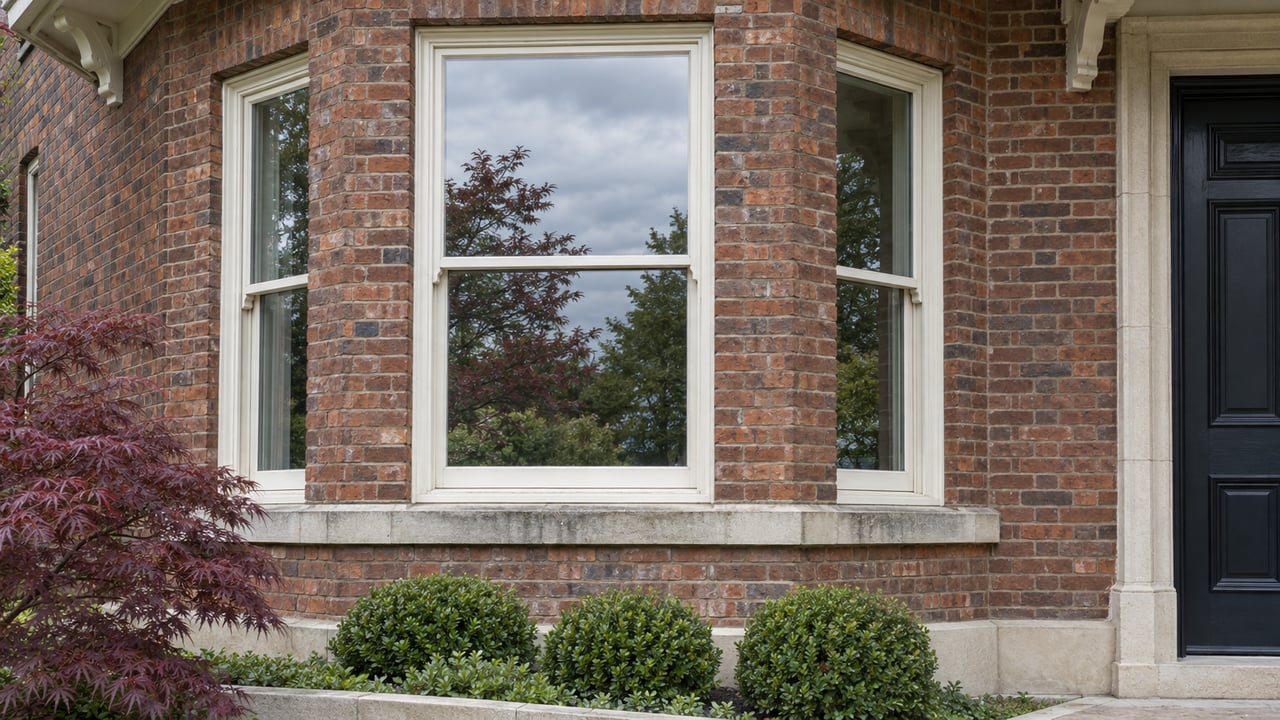
Windows and doors often have original wood sash that are drafty or deteriorated. You will usually weigh repair with weatherstripping or secondary glazing against replacement with heritage‑appropriate units. The right choice depends on condition, permit requirements and energy goals.
Mechanical systems can be outdated. Expect electrical capacity upgrades, plumbing replacement and improvements to insulation in attics or crawlspaces. Boilers or furnaces may be at end of life. Hazardous materials are common in older homes, including lead paint, asbestos and knob‑and‑tube wiring. Plan for testing and proper abatement.
Follow conservation principles. Like‑for‑like repair preserves original fabric where feasible. Keep modern interventions reversible and minimally invasive so future conservation is possible. Document everything with photos and specifications. A heritage architect, conservation consultant and experienced contractor increase your chances of smooth permits and a better end result.
Costs, contingencies and team
Restoration and traditional materials come with a premium. Specialized trades, custom millwork and long lead times for items like windows or slate are typical. Build a realistic budget and expect hidden conditions once walls open up. Include a contingency in the range many practitioners use for older buildings.
Vet your builder for heritage experience. Confirm references for similar projects and ensure proper insurance. For large scopes, your team often includes a conservation architect, structural engineer, heritage restoration specialist and a general contractor skilled with older assemblies.
Comfort, safety and energy
Health and safety come first. If testing confirms lead or asbestos, follow provincial and municipal requirements for abatement. Address wiring and ventilation early, then layer in insulation where appropriate to avoid moisture traps.
Thoughtful energy retrofits can improve comfort and operating costs without compromising character. Options include discreet secondary glazing, careful air sealing and efficient mechanical systems. Favor reversible, low‑impact upgrades that respect heritage attributes.
Value and resale in Rosedale
Rosedale’s location, lot sizes and architectural pedigree generally support strong pricing compared to many other Toronto areas. Heritage designation by itself does not automatically reduce value. In many contexts, designation helps set conservation expectations and protect streetscapes, which supports neighbourhood desirability. That said, some buyers prefer full freedom to alter or redevelop, which can narrow the pool.
Resale outcomes improve when you deliver sensitive modernizations that pair period character with contemporary function. Updated kitchens and baths, mechanical upgrades and tasteful energy improvements appeal to a wider audience when executed well. Keep a full record of permits, consultant reports and progress photos. Clear documentation reassures buyers and appraisers.
Constraints that can weigh on resale include strict preservation rules for specific features, poorly executed “heritage style” replacements that read inauthentic, and high ongoing maintenance expectations. Be transparent about what is protected, what was replaced and why choices were made.
Mortgage financing and insurance deserve early attention. Lenders underwrite based on appraised value and property condition. Significant deferred maintenance or structural issues can affect mortgageability. Insurers may consider age and materials, such as slate roofs or older wiring, and premiums may be higher. Some heritage properties benefit from specialized coverage or endorsements.
Municipal incentives and tax relief programs may be available from time to time. Confirm what is active through the City before you budget.
Due‑diligence checklist
Before you buy a Rosedale heritage or character home, take these steps:
- Verify heritage status on the City’s Heritage Register and confirm any Heritage Conservation District boundaries and guidelines.
- Review designation by‑law text for protected attributes, including any interior features.
- Request past permits, conservation reports, contractor invoices, warranties and any heritage approvals.
- Order professional inspections: structural, electrical, plumbing and environmental, plus a heritage condition assessment.
- Estimate constraints for future plans, such as additions or demolition, under the applicable policies.
Plan your project
If you own or recently purchased and plan a major renovation, set your project up for success:
- Consult City heritage staff early to map likely issues and required documentation.
- Engage the right team: conservation architect or heritage consultant, structural engineer, experienced contractor and restoration specialists.
- Prepare a complete heritage permit application. Include rationale, drawings, material specifications and evidence of how you will conserve character‑defining elements.
- Budget for premiums on traditional materials and specialized labour, plus contingency for hidden conditions and hazardous materials abatement.
- Keep organized records. Maintain photo logs, permits and consultant reports for compliance and future resale.
When to buy, sell or hold
Your timing depends on personal goals, project appetite and market conditions. The buyer pool for Rosedale heritage homes values character, location and quality work. If you are selling, document improvements, highlight sensitive upgrades and share maintenance plans. If you are buying, ground your offer strategy in neighbourhood comparables and property condition, then price in realistic timelines and costs.
If you want a confidential sounding board on scope, sequencing or exit timing, connect with a local advisor who blends market analysis with design and development insight. For a private conversation about your plan in Rosedale, reach out to Taylor Townley Real Estate.
FAQs
What is a heritage home in Rosedale?
- A property that is individually designated or located within a Heritage Conservation District, with character‑defining features identified for conservation.
Can you renovate a designated home in Toronto?
- Yes, many alterations are allowed, but exterior changes and any work affecting protected attributes require a heritage permit that aligns with conservation guidelines.
How long do heritage permits take in Toronto?
- Minor conservation can move in weeks to a few months, while major additions or demolition proposals can take several months depending on review and approvals.
Are heritage homes more expensive to maintain?
- Often yes, because traditional materials and specialized trades are required, and older systems may need ongoing care or upgrades.
How does heritage status affect resale value in Rosedale?
- Designation does not automatically reduce value and can support neighbourhood desirability, though it may limit buyers who want full freedom to redevelop.
What inspections should you do before buying?
- Commission structural, electrical and plumbing inspections, test for lead and asbestos, and obtain a heritage condition assessment from a qualified professional.