If you are buying in the Annex, you are not just choosing square footage. You are choosing a building, a block, and a streetscape that all work together. Understanding the area’s architecture can help you spot value, ask better questions on tours, and avoid surprises after closing. Let’s dive in.
Why Annex architecture stands out
The Annex grew out of a late-1880s subdivision plan tied to one of Toronto’s early urban expansions. Today, the area is still defined by late-19th- and early-20th-century house-form buildings, civic and institutional buildings, narrow streets, parks, and a mature tree canopy.
That history matters because the neighborhood’s visual character is not accidental. In many parts of the Annex, setbacks, rooflines, front gardens, and the relationship between one home and the next all shape how a property is experienced. As a buyer, that means curb appeal is only part of the story.
Heritage controls also play a major role. In Toronto, Heritage Conservation Districts are legal municipal by-laws under the Ontario Heritage Act, and every property within a district is subject to the district by-law.
For Annex buyers, this means you should evaluate both the individual house and the broader context around it. A home may look appealing on its own, but its fit within the street can affect renovation plans, approvals, and long-term value.
The main styles to know
Annex style
The Annex style is a Toronto-specific late-Victorian hybrid that blends Richardsonian Romanesque and Queen Anne influences. It was most common from the 1880s to about 1900 and was used mainly for residential house-form buildings.
Look for asymmetrical rooflines, gables, dormers, chimneys, turrets, sleeping porches, and deep eaves. You may also see brick-and-stone or brick-and-terra-cotta cladding, exposed beams, and grouped or round-arched openings.
From a buying perspective, one of the key questions is whether the house still reads clearly as its original house-form shell. Many Annex properties were later converted into apartments, rooming houses, or mixed uses, but often kept their original exterior envelope and major visual features.
Queen Anne Revival
Queen Anne Revival homes in Toronto tend to feel eclectic and picturesque. In the Annex, this style often overlaps with the broader Annex style, which can make the categories feel less rigid on a showing.
Common clues include asymmetrical façades, irregular rooflines, gables, dormers, bay or oriel windows, turrets, stained glass, decorative woodwork, and textured materials like red brick, rusticated stone, and shingles. If a house feels layered and visually animated, you may be looking at Queen Anne influence.
Bay-and-Gable
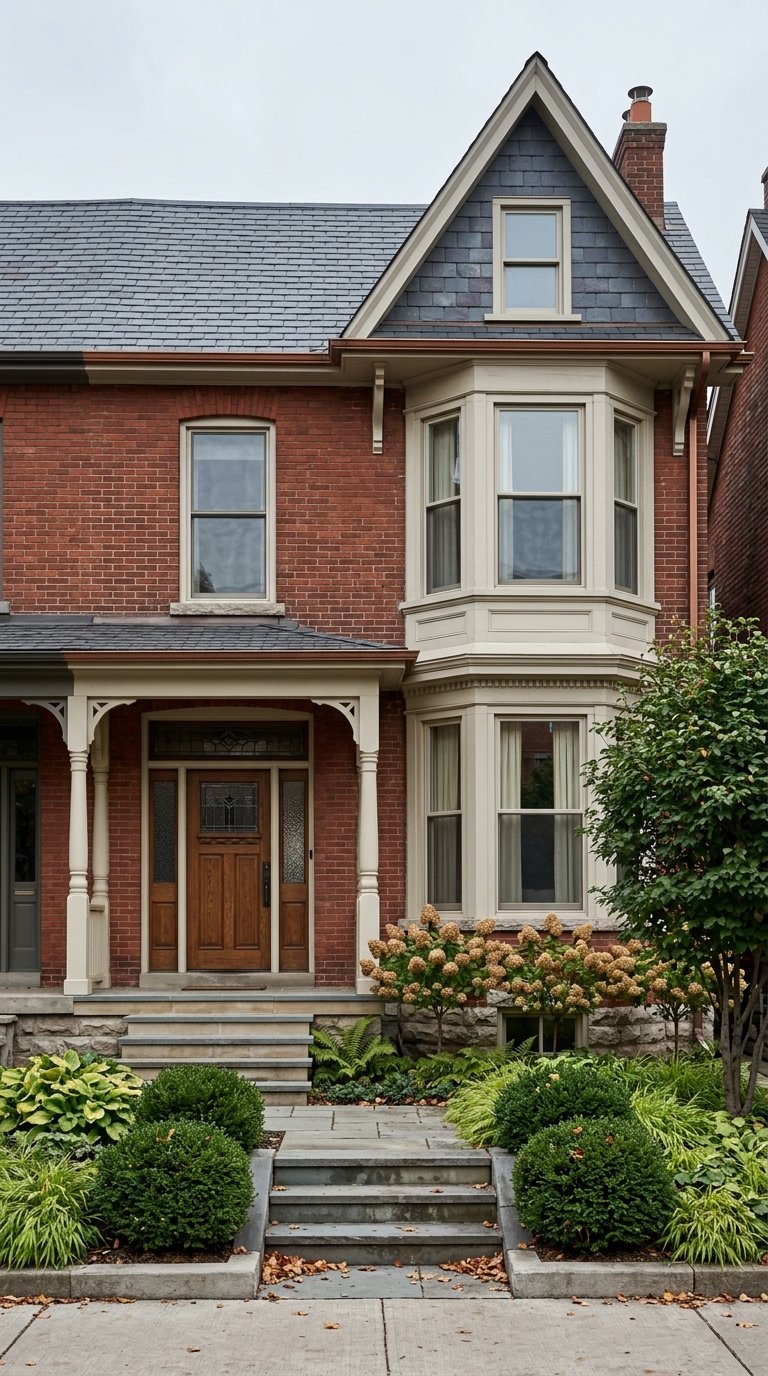
Bay-and-Gable is one of Toronto’s classic house types from the mid-to-late 19th century. It was especially effective on long, narrow lots.
The usual layout places the entry in one bay and a projecting bay window under a cross gable in the other. In the Annex, these homes help define blocks where repeated façades and narrow parcels create a strong rhythm along the street.
Edwardian Classicism
Edwardian Classicism is generally simpler and more ordered than late Victorian architecture. It often serves as a calmer counterpoint to the more expressive forms found elsewhere in the Annex.
Look for symmetrical design, smooth brick façades, restrained classical detailing, prominent cornices, and stone trim. In early apartment buildings, this style could also support practical layouts with generous entry halls, better daylight access, and a clearer split between public and private rooms.
Contemporary infill
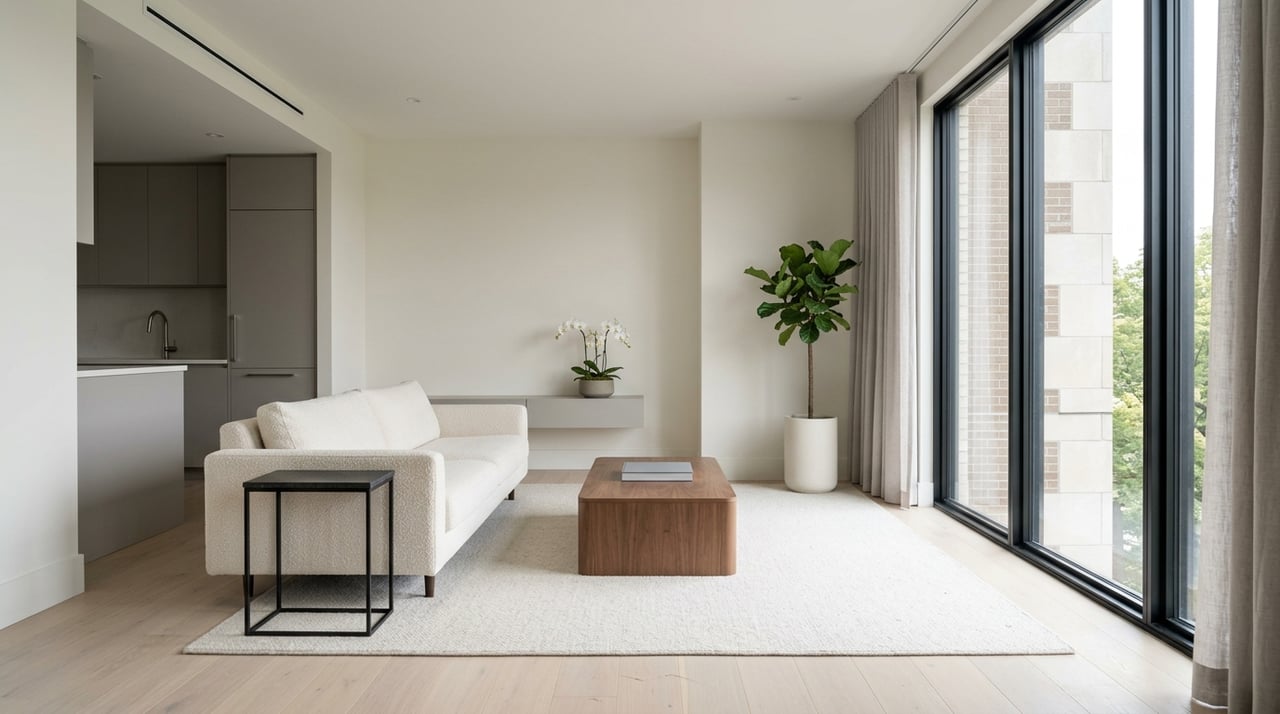
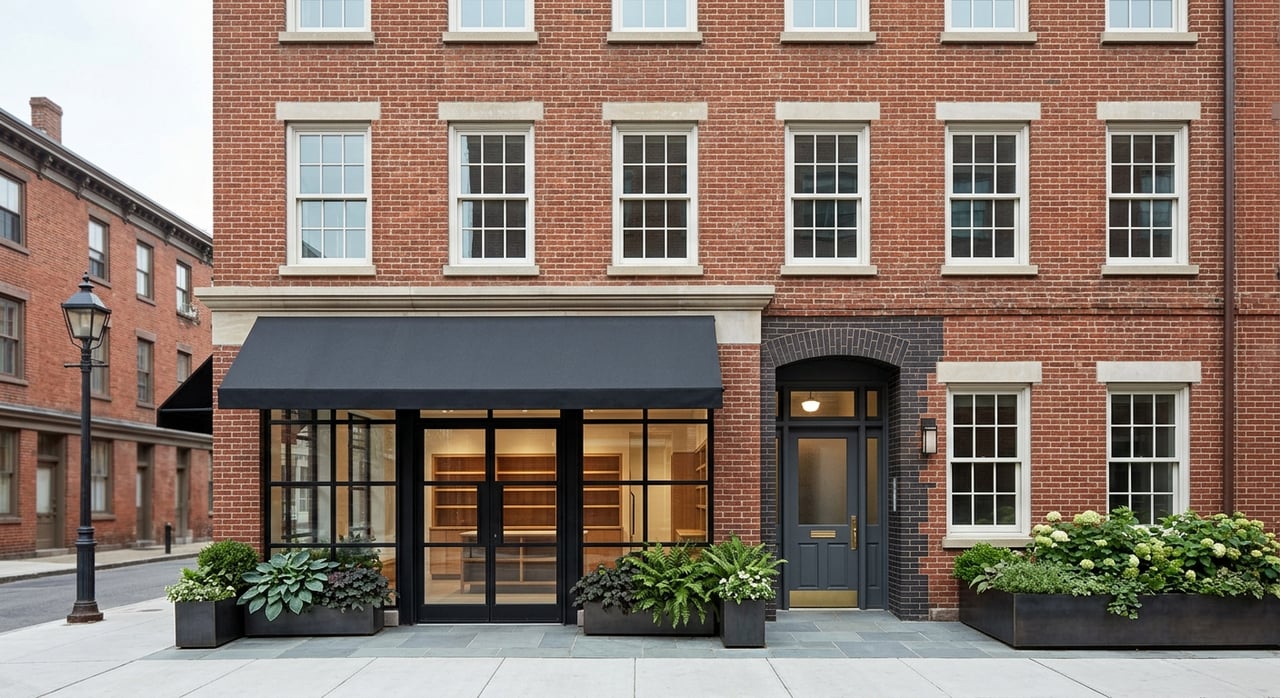
Modern architecture also has a place in the Annex, but compatibility matters more than imitation. Toronto’s heritage guidance does not require new buildings to copy older ones.
Instead, compatible infill should respect the street’s height, depth, setback, entry level, roof profile, and overall material character. In one East Annex HCD example, City staff recommended clay brick as the predominant street-facing material, along with simple composition and tree protection.
How to read a home on tour
Start with the façade
When you arrive at a property, begin with the overall silhouette. Look at the roofscape, massing, and whether later additions have changed the building’s original shape.
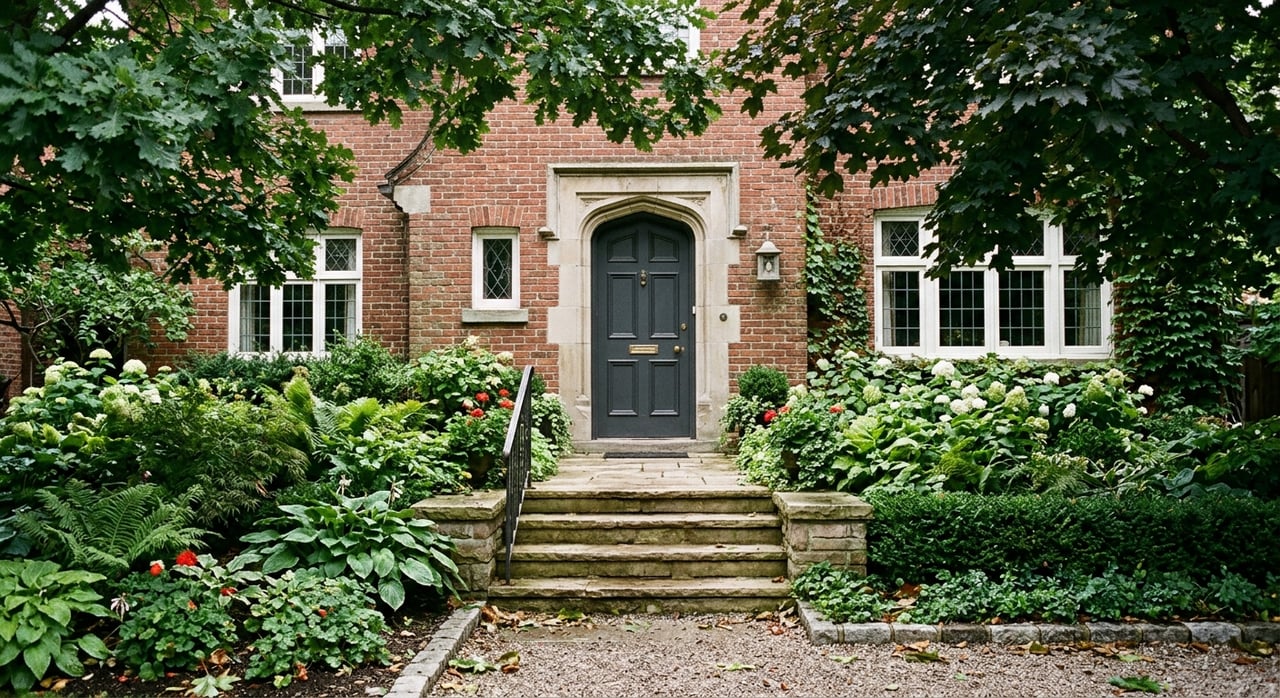
Strong examples often still show original masonry, stone trim, porches, bay windows, dormers, turrets, and a clear relationship to the street. In the Annex, that relationship between setback, massing, and neighboring homes is one of the clearest signs of architectural integrity.
Check the roofline and details
In heritage neighborhoods, small details can tell you a lot. Chimneys, eaves, wood detailing, windows, and porch elements often reveal how much of the original design remains visible.
You do not need every feature to be original for a home to be compelling. But if major exterior cues have been removed or obscured, you may want to understand what was changed, when it was changed, and whether further updates could face review.
Pay attention to the floor plan
In the Annex, floor plans matter almost as much as façades. Many older house-form buildings were designed vertically and compactly to suit narrow lots.
That can work beautifully, but years of conversion or renovation sometimes create awkward circulation, dark rooms, or fragmented layouts. A smart buyer should ask whether the home still feels coherent and functional, not just whether it looks charming from the curb.
Note common alteration patterns
Across Annex properties, several upgrade patterns show up repeatedly. These include rear additions, altered windows, new basement or ground-floor entries, and changes to porch or balcony details.
The best renovations usually preserve the features that define the building’s style while improving systems and interiors behind the façade. If a house has been heavily altered, try to separate cosmetic updates from changes that affect the character-defining features.
What to inspect closely
Older Annex homes often require a sharper eye during due diligence. Toronto’s heritage grant program highlights conservation work that commonly matters in these properties, and that list is useful for buyers too.
Focus first on these areas:
- Masonry condition
- Windows and whether they appear original, repaired, or replaced
- Exterior doors
- Wood detailing
- Slate roofs where present
These elements are often among the highest-value conservation items. They can also influence the scope and cost of future work if you plan to restore rather than simply refresh.
Heritage rules every buyer should understand
Heritage designation and HCD review
If a property is designated under the Ontario Heritage Act, changes generally require a heritage permit. If the property is in a Heritage Conservation District, alterations or demolitions are reviewed against the district plan and conservation standards.
Toronto states that the review framework can include the relevant HCD plan, City-adopted guidelines, Ontario guidance, and Parks Canada standards and guidelines. For a buyer, the practical takeaway is simple: exterior work may involve more review than it would in a non-heritage area.
Contributing vs non-contributing properties
Within an HCD, Toronto distinguishes between contributing and non-contributing properties. Contributing properties reflect the district’s character and are protected more strictly.
This distinction matters if you are thinking about major changes. Demolition of a contributing property is generally not allowed except in exceptional circumstances, while non-contributing properties can be replaced with infill that still respects the district’s character.
Renovation is possible, but context matters
You can renovate an Annex heritage house, but the approach needs to fit the building and the street. In practice, compatible design usually matters more than trying to create a literal copy of the past.
For additions or new work, height, setback, massing, roof profile, and material character are all key considerations. If you are buying with renovation plans in mind, it is wise to assess the property through that lens before you make an offer.
Financial and practical ownership questions
Buyers often assume heritage status automatically means higher insurance premiums. Toronto states that the Ministry responsible for the Ontario Heritage Act and the Insurance Bureau of Canada have both said premiums in Ontario should not increase simply because a property is municipally designated.
That said, age and condition can still affect underwriting. In other words, the designation itself is not the issue, but the building’s physical state still matters.
There may also be financial support for conservation work in some cases. Toronto’s Heritage Grant Program offers matching funds for eligible conservation work on residential or tax-exempt designated properties, including repairs to masonry, windows, doors, wood detailing, and slate roofs.
The Heritage Property Tax Rebate Program mainly serves commercial and industrial heritage properties, though some HCD contributing properties may qualify if they meet program conditions. If incentives are part of your buying strategy, confirm eligibility early.
A practical Annex buying lens
In the Annex, the smartest buyers look beyond style labels. What matters most is whether a property retains its architectural legibility, functions well for modern living, and fits the heritage context around it.
That is where a design-aware buying process can make a meaningful difference. When you understand façade integrity, floor plan quality, common alteration patterns, and heritage review constraints, you can evaluate an Annex property with much more confidence.
If you are considering a purchase in the Annex and want a more strategic read on architecture, renovation potential, and neighborhood fit, Taylor Townley Real Estate can help you assess the opportunity with clarity and discretion.
FAQs
What is Annex style architecture in Toronto?
- Annex style architecture is a Toronto-specific late-Victorian residential style that blends Richardsonian Romanesque and Queen Anne influences, often with asymmetrical rooflines, gables, dormers, turrets, chimneys, and rich brick-and-stone detailing.
What should buyers look for in an Annex house tour?
- Buyers should focus on the façade, roofscape, original masonry, windows, porches, bay windows, dormers, and whether later additions have obscured the original massing or silhouette.
Can you renovate a heritage house in the Annex?
- Yes, but exterior changes on designated properties generally require a heritage permit, and properties within a Heritage Conservation District must follow the district plan and conservation standards.
Can a contributing heritage property in the Annex be demolished?
- In Toronto Heritage Conservation Districts, demolition of a contributing property is generally not allowed except in exceptional circumstances.
Does heritage designation in Toronto raise insurance premiums?
- Toronto states that insurance premiums in Ontario should not increase simply because a property is municipally designated, although the home’s age and condition can still affect underwriting.
Are there heritage grants for Annex homes in Toronto?
- Toronto’s Heritage Grant Program provides matching funds for eligible conservation work on certain designated residential or tax-exempt properties, including masonry, windows, doors, wood detailing, and slate roofs.