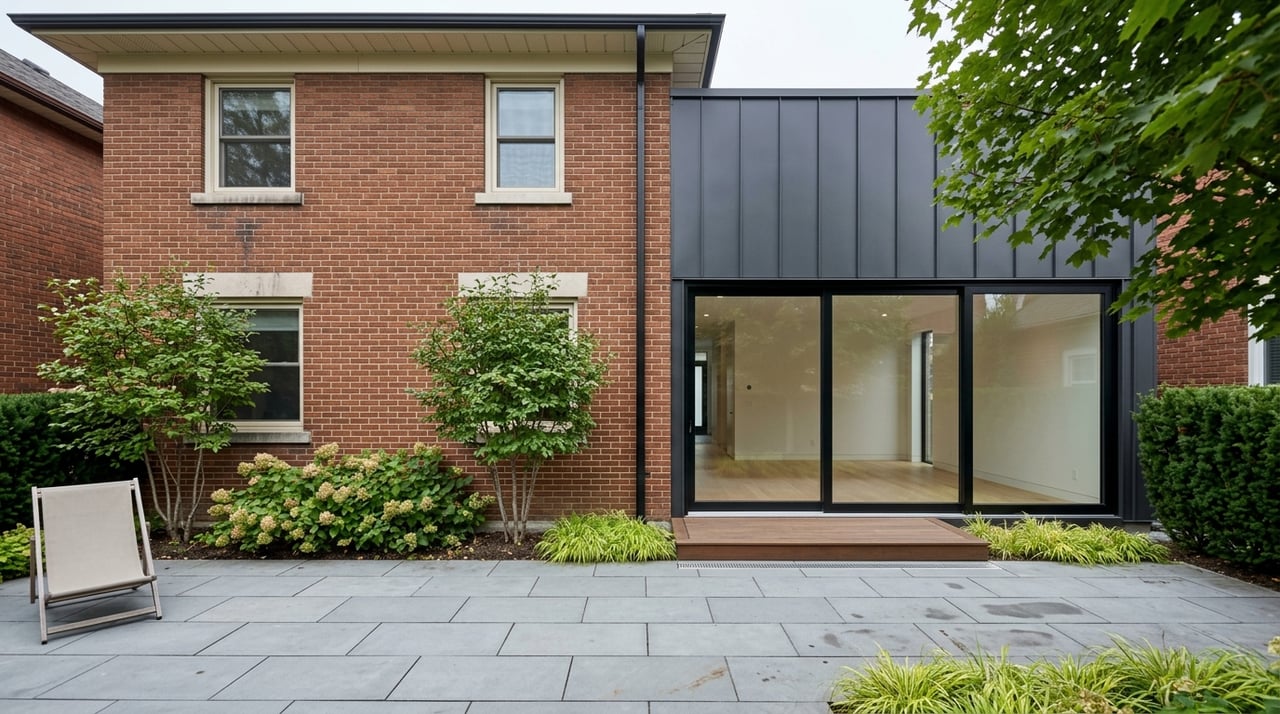
If you are looking at detached homes in Leaside, one question tends to shape your decision quickly: should you pay more for a move-in-ready property, or buy an older home with room to improve? In a premium neighborhood with limited inventory and varied housing stock, that choice is rarely simple. The good news is that Leaside gives you a clear framework for thinking about value, renovation potential, and resale appeal. Let’s dive in.
Leaside Detached Market Snapshot
Leaside detached homes traded in a premium range through 2025, but the market was not one-size-fits-all. According to TRREB community reporting for Toronto Central, quarterly average detached prices were about $2.94 million in Q1, $2.51 million in Q2, $2.656 million in Q3, and $2.489 million in Q4.
Sales volume stayed relatively thin, with 16, 49, 22, and 31 detached sales across those quarters. Average days on market ranged from 15 to 65, while sale-to-list ratios stayed between 98% and 103%. For you as a buyer or seller, that points to a high-value micro-market where pricing, condition, and negotiation strategy matter.
This also sits against a softer broader backdrop. TRREB’s market update reported a 2025 GTA average selling price of $1,067,968, down 4.7% from 2024, with 2026 expectations shaped by improved buyer choice and affordability. In other words, Leaside remains premium, but buyers still have room to compare options carefully.
Why Leaside Prices Need Context
Average prices can be useful, but they do not tell the full story in a neighborhood like Leaside. When only a modest number of detached homes trade each quarter, one or two standout sales can move the averages meaningfully.
That is why TRREB notes the MLS Home Price Index is often a steadier benchmark than average or median price alone. If you are evaluating a detached home in Leaside, it helps to treat quarterly averages as directional and focus more closely on the home’s lot, condition, design quality, and how it fits the local streetscape.
Leaside’s Built Form Shapes Upgrade Potential
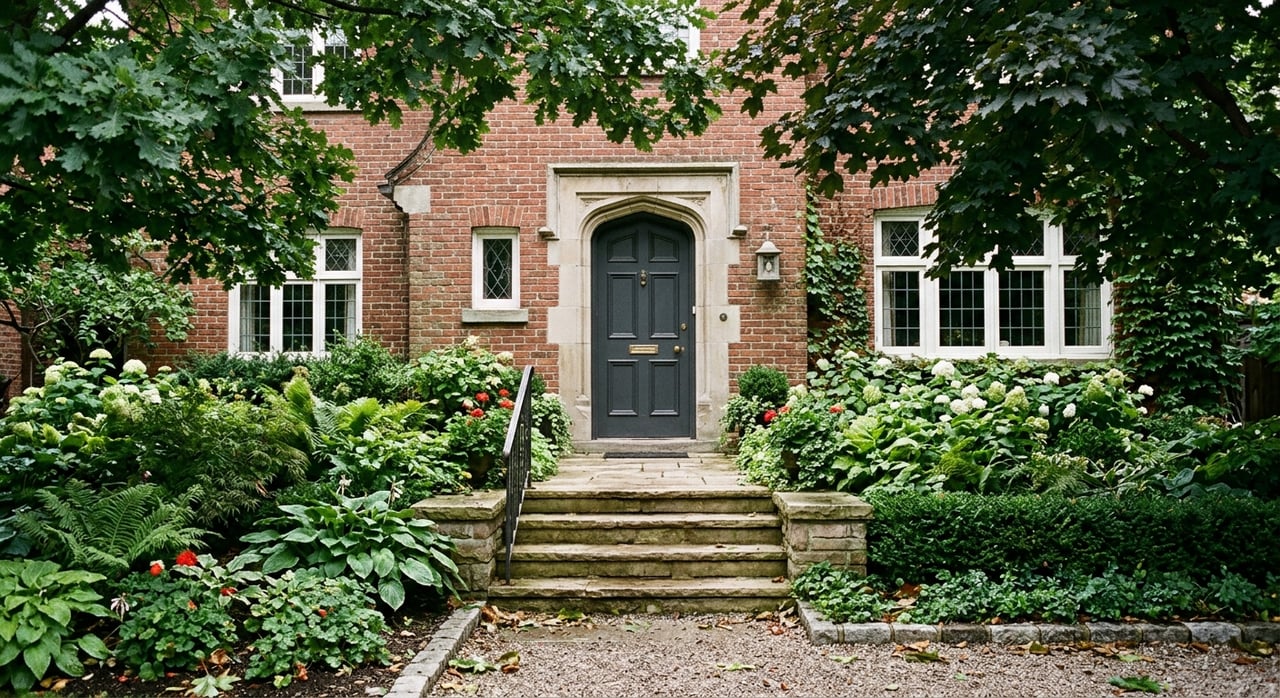
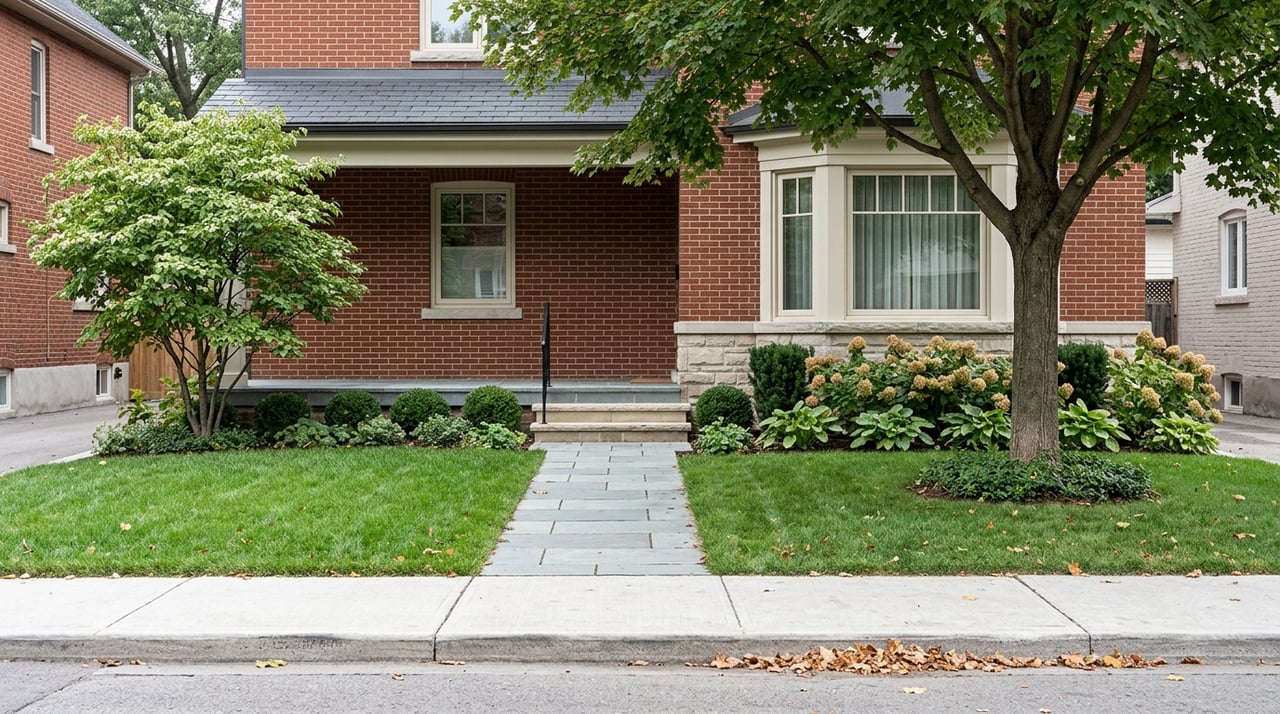
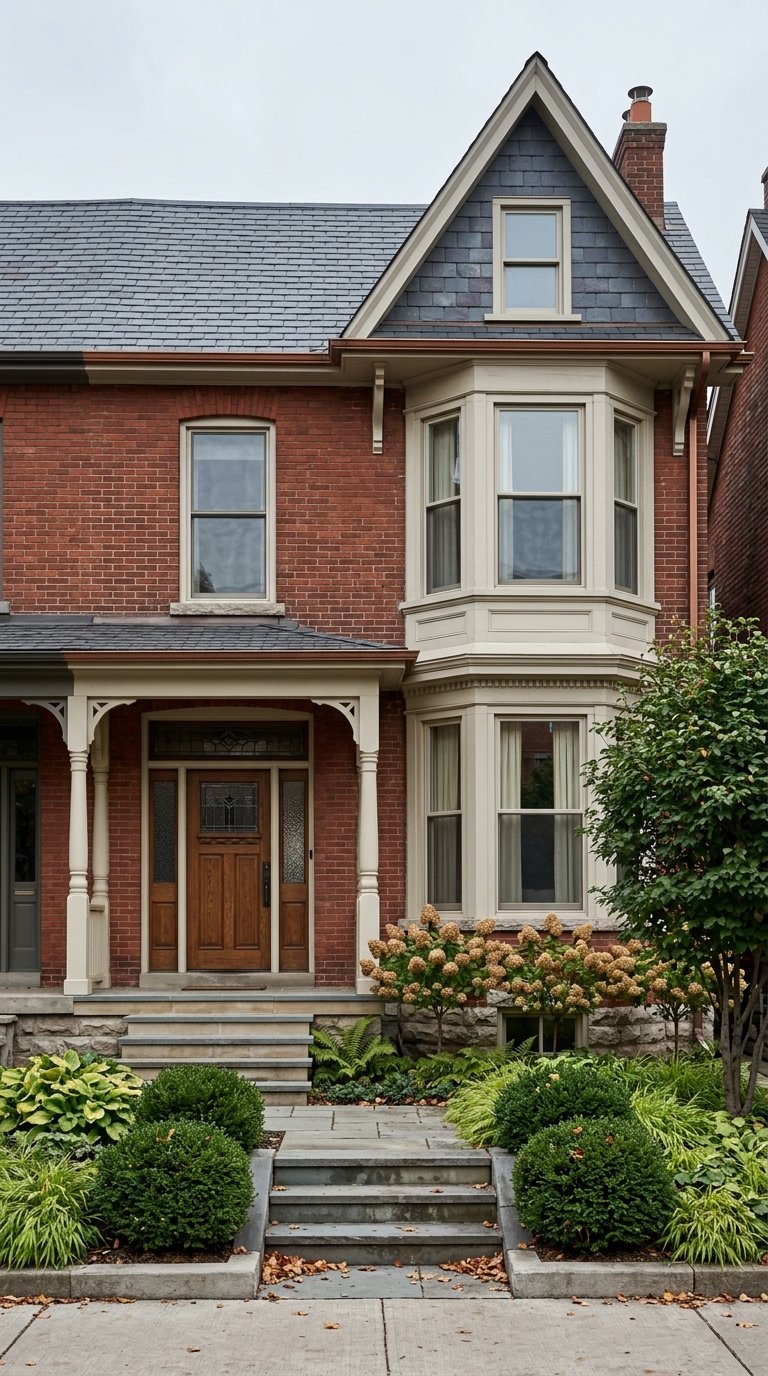
Leaside’s physical character matters when you are assessing renovation upside. The neighborhood was planned in 1913 as a Garden City-inspired community, with curving, tree-lined residential streets and a built form associated with red brick, Georgian Revival influence, detached homes, bungalows, and semidetached housing, as outlined in the City of Toronto’s Leaside planning overview.
That history still affects what tends to look appropriate and what tends to hold value. In practical terms, many detached homes in Leaside sit on lots that are better suited to rear-oriented additions and carefully scaled updates than broad front-heavy expansions.
The Leaside Residents Association character preservation guidelines recommend maintaining the traditional 6 metre front yard setback, keeping garages side- or rear-located behind the main front wall, and preserving a visually open, landscaped front yard. They also recommend limiting driveway width and keeping front fencing low and transparent.
Zoning Rules to Know Before You Renovate
If you are buying with renovation in mind, local zoning is a major part of the equation. The City of Toronto’s East York and Leaside zoning information includes detached-house standards that commonly reference 35% lot coverage, an 8.5 metre height limit, a 16.75 metre building-length limit, and parking located behind the front wall.
Frontage minimums vary by zone, with examples that include 7.5 metres, 9.0 metres, and 12.0 metres. That means two detached homes on the same street may not offer the same development flexibility, even if they appear similar at first glance.
The same by-law framework also requires additions to respect floor-area limits and preserve at least 55 square metres of landscaped open space to the rear of the main front wall or its projection. Accessory structures are not allowed between the front wall of the house and the front lot line. For you, this means lot geometry can be just as important as interior square footage.
The Most Realistic Upgrade Paths
In Leaside, the most practical upgrades are often the ones that improve daily livability without fighting the neighborhood’s planning logic. Based on the local guidance, the most realistic paths usually include:
- interior reconfiguration
- rear additions
- basement finishing
- façade-sensitive exterior updates
- improved natural light and circulation
These approaches tend to align with both zoning realities and local character guidance. By contrast, oversized front additions, garage-forward redesigns, and wide curb-cut concepts are more likely to run into resistance from planning constraints or neighborhood expectations.
The LRA guidelines are flexible rather than rigid, but they clearly favor preserving the front elevation, keeping massing within the prevailing height range, and directing added volume toward the rear of the home. If your goal is to create long-term value, that is an important filter.
Trees and Landscaping Are Not Small Details
In Leaside, trees can materially affect your renovation plans. Toronto requires permits for street-tree removal or substantial trimming, and private trees above 30 cm in diameter are protected. The LRA guidelines also advise keeping new paving and driveway work outside tree drip lines.
That matters because many detached homes in Leaside derive part of their appeal from mature landscaping and soft front-yard presentation. If you are underwriting an addition or exterior redesign, tree protection can affect timing, design, and cost.
Do Upgraded Homes Earn a Premium?
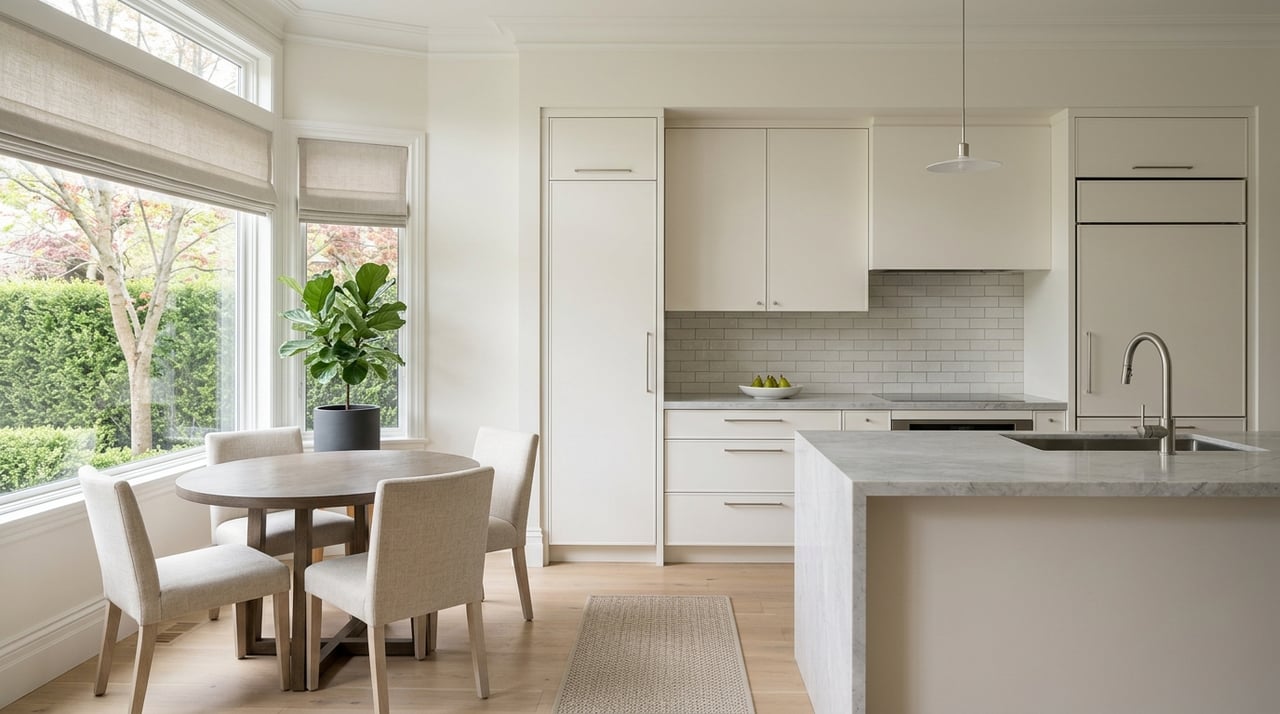
The short answer is yes, but not every renovation earns the same response. The available examples suggest that Leaside buyers place a meaningful premium on turn-key condition, thoughtful design, and updates that respect the lot and streetscape.
Toronto Life has featured several upgraded or rebuilt Leaside homes at the upper end of the market, including properties priced from roughly $3.375 million to nearly $5 million. These are not neighborhood averages, but they do show what the market can support for polished, high-end product.
At the same time, original character homes can still command strong attention when the lot and setting are compelling. A Leaside century-home feature and a before-and-after renovation story point to a consistent theme: buyers respond to homes that preserve architectural character while improving layout, light, and function.
Buy Finished or Buy for Potential?
For many buyers in Leaside, this is the key strategic choice. Both routes can make sense, but they suit different priorities and risk tolerance.
When a Finished Home Makes Sense
A move-in-ready detached home may be the better fit if you:
- want cost certainty upfront
- need a shorter timeline to occupancy
- prefer polished design and fewer project decisions
- value immediate livability over future customization
In a neighborhood where detached inventory is relatively limited, a well-executed finished home can justify a strong premium. You are paying not only for the renovation itself, but also for saved time, reduced complexity, and a product aligned with local buyer expectations.
When an Original Home Makes Sense
An older or less-updated detached home may be attractive if you:
- want to personalize the layout and finishes
- are comfortable with renovation timelines and approvals
- can assess lot constraints carefully before buying
- see long-term value in improving function rather than overbuilding
This path usually requires a more disciplined review of zoning, landscaped open-space requirements, tree constraints, and front-yard conditions. In Leaside, potential is real, but it is rarely unlimited.
What Sellers Should Know About Upgrade ROI
If you own a detached home in Leaside, the market evidence suggests buyers are often willing to pay for thoughtful improvements. Still, the highest-return updates are not always the most dramatic.
In many cases, the most marketable improvements are:
- better floor-plan flow
- brighter, more usable main-floor living space
- updated kitchens and baths
- finished lower levels
- exterior refreshes that respect the original façade
A major lesson from Leaside is that value often comes from refinement rather than overstatement. Buyers may reward a home that feels complete, coherent, and well-resolved more than one that simply appears larger or louder from the street.
A Strategic Lens for Leaside Buyers and Sellers
Because Leaside detached homes trade in a thin, premium market, broad city averages only go so far. What tends to matter most is the combination of lot quality, condition, design execution, and how well a home works within the neighborhood’s established built form.
If you are buying, it helps to evaluate not just the home you see today, but the realistic envelope for change. If you are selling, it helps to frame your property through the lens of usability, architectural fit, and future optionality. That is often where sophisticated value is created in Leaside.
If you are weighing a purchase, renovation, or sale in Leaside, Taylor Townley Real Estate offers discreet, design-aware guidance grounded in neighborhood data and strategic analysis. Request a Confidential Consultation to discuss your next move.
FAQs
What are current detached home price trends in Leaside?
- TRREB’s 2025 community reports show quarterly Leaside detached average prices ranging from about $2.489 million to $2.94 million, with sale-to-list ratios between 98% and 103% and relatively limited sales volume.
What kinds of home additions work best for detached homes in Leaside?
- Rear additions, interior reconfiguration, basement finishing, and façade-sensitive exterior improvements are generally the most realistic upgrade paths based on local zoning and character guidance.
What zoning limits should buyers know for Leaside detached homes?
- Common detached-house standards in former Leaside zoning include 35% lot coverage, an 8.5 metre height limit, a 16.75 metre building-length limit, parking behind the front wall, and minimum rear landscaped open-space requirements.
What makes an upgraded detached home more valuable in Leaside?
- Market examples suggest buyers respond most strongly to turn-key condition, thoughtful design, preserved character, efficient use of the lot, and renovations that fit the neighborhood streetscape.
What should buyers check before purchasing a detached home for renovation in Leaside?
- You should review zoning, lot frontage, rear open-space requirements, tree protection constraints, driveway and parking placement, and whether the existing house supports a practical rear-oriented expansion strategy.