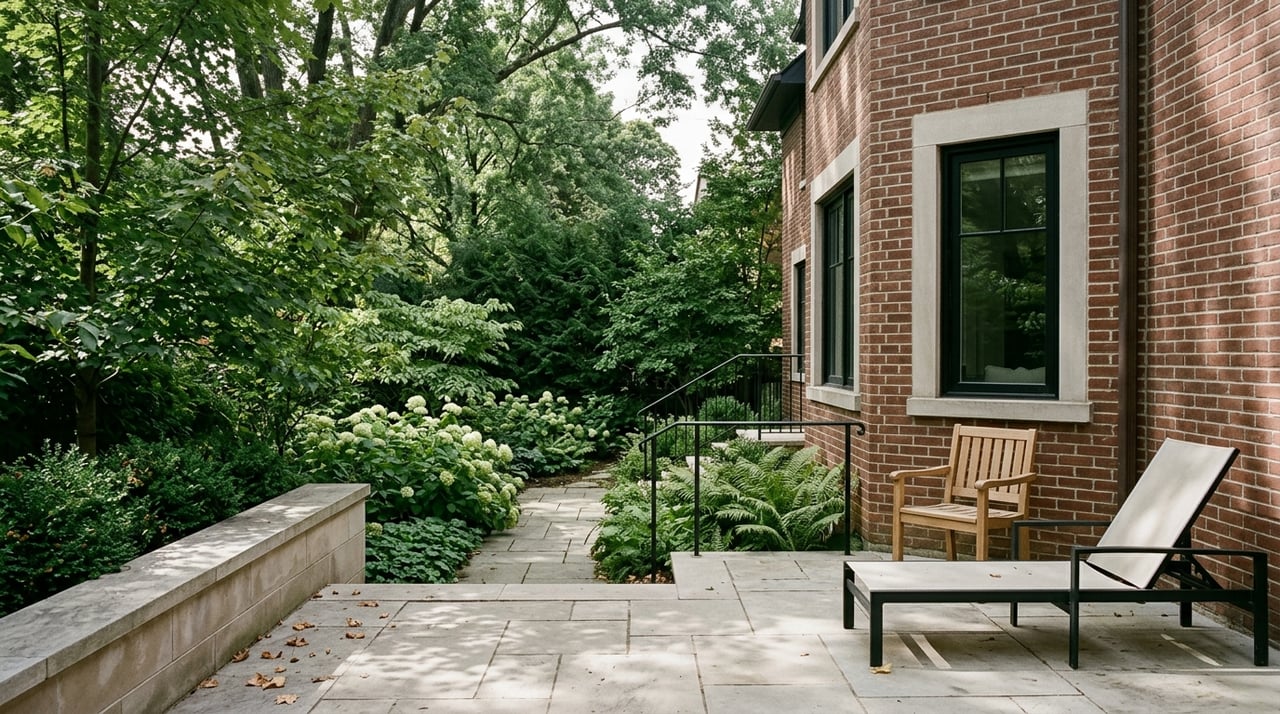
Wondering what daily life in Rosedale actually feels like once you look past the reputation? For many buyers, the real question is not just about architecture or address, but about how a neighbourhood works from morning to evening. In Rosedale, everyday life is shaped by ravines, heritage streets, and easy access to central Toronto, creating a rhythm that feels calm without feeling disconnected. Let’s dive in.
Rosedale feels calm and closely held
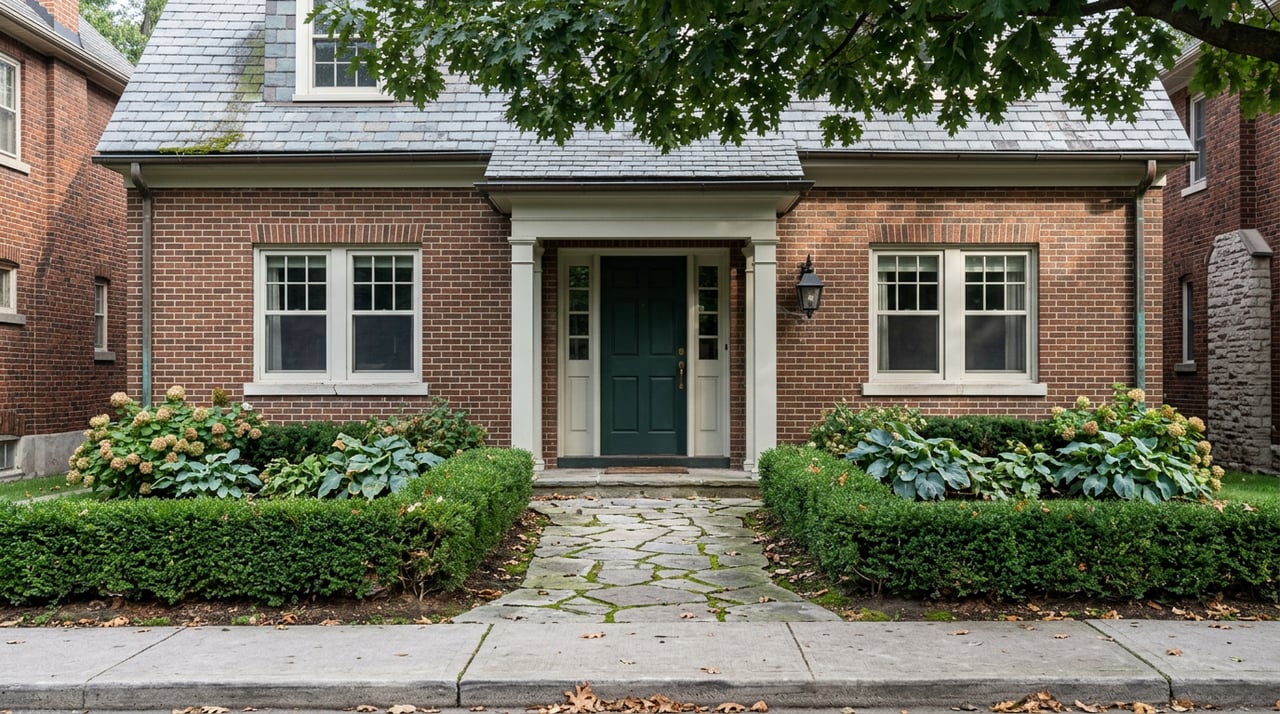
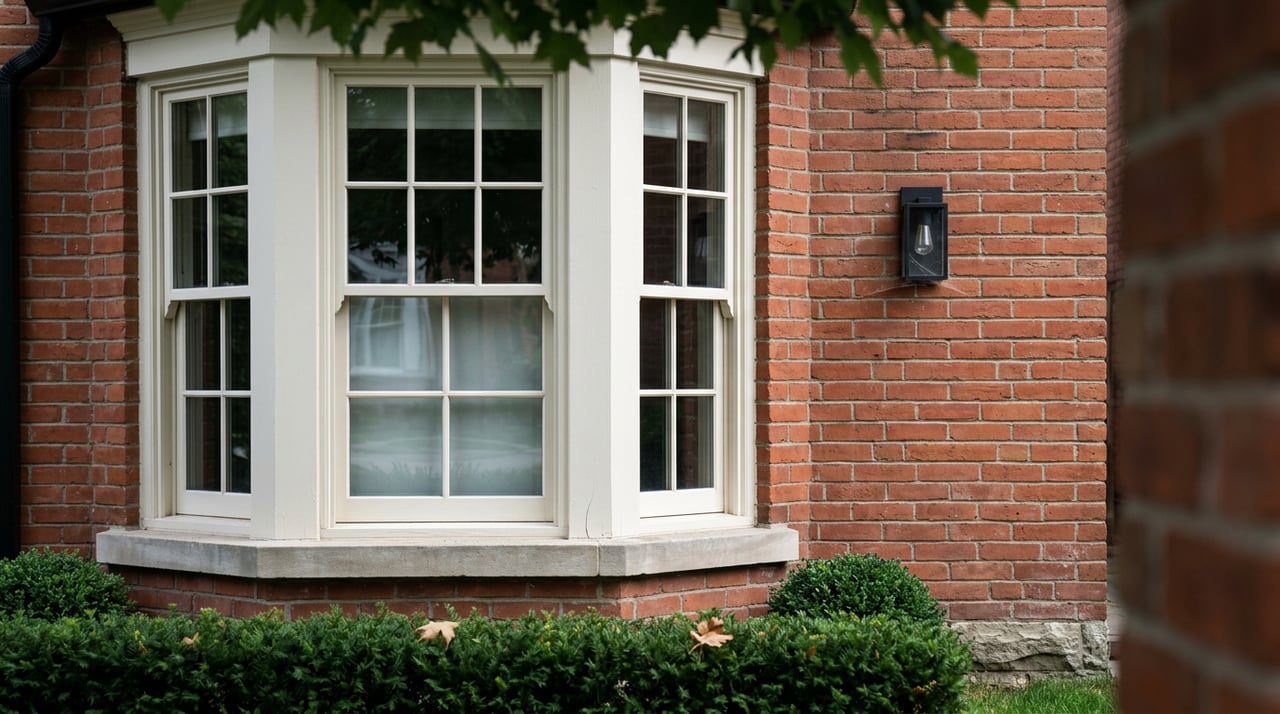
Rosedale is best understood as a residential area where the streetscape does much of the talking. The City of Toronto describes North and South Rosedale as an early picturesque suburb with curving streets, mature trees, park-like lots, and housing dating from the 1880s to the 1930s. That heritage pattern still shapes the neighbourhood’s day-to-day feel.
For you, that often means a quieter visual environment and a more private pace. Instead of a dense retail grid or constant street activity, the area is defined by greenery, historic homes, and roads that feel designed to follow the land. It is central Toronto, but it carries itself in a much more contained way.
That balance is a big part of Rosedale’s appeal. You are close to downtown, yet the neighbourhood does not read as hurried or overbuilt. It feels established, landscaped, and low-key.
Ravines shape the daily routine
In Rosedale, green space is not just something nearby. It is part of the neighbourhood’s structure. Toronto identifies its ravine system as major green infrastructure that supports recreation, biodiversity, stormwater management, and heat reduction, and in Rosedale that network is woven into ordinary life.
That matters if you are thinking about how a neighbourhood feels on a Tuesday morning, not just on a weekend walk. The ravine edges and connected parkland create moments of pause throughout the area. They help give Rosedale its sense of separation from the pace of the city around it.
David A. Balfour Park adds usable green space
David A. Balfour Park is one of the clearest examples of how this landscape supports daily routines. Following the Rosehill Reservoir rehabilitation, the City added accessible multi-use trails, new washrooms, new lighting, benches and picnic tables, a community flower garden, more than 250 newly planted trees and shrubs, and a community lending library.
Those details matter because they point to everyday use, not just scenic value. You can picture a quick walk, a slower afternoon outdoors, or time spent reading on a bench rather than treating the park as an occasional destination. The setting supports a more grounded and outdoor-oriented rhythm.
Trails connect more than one park
The local trail network reaches beyond a single green space. The Rosedale Valley Road multi-use trail runs from Bayview Avenue to Park Road and connects several public spaces, including St. James Cemetery, Wellesley Park, Toronto Necropolis Park, Rekai Family Parkette, and Lawren Harris Park.
Milkman’s Lane is another useful local reference point. The City describes it as a 300-metre trail that enters the Don Valley from South Drive near Craigleigh Gardens Park. Together, these routes reinforce the idea that walking access to ravine landscapes is built into the area rather than added at the edges.
Recreation stays part of the picture
Ramsden Park adds another layer to everyday life nearby. The City is upgrading the park’s rink and related facilities, and the proposed Ramsden Park Community Recreation Centre would front Ramsden Park and Budd Sugarman Park, steps from Rosedale Station.
That ongoing investment is worth noting. It shows that while Rosedale is often discussed for its heritage setting, its public spaces are still being improved and adapted for current use. In practical terms, the neighbourhood remains quiet, but it is not static.
Errands happen in polished village pockets
Rosedale is not a neighbourhood built around one major commercial strip. Its retail and service life is more compact and selective, which helps preserve the residential feel while still giving you convenient options close by.
The best-known local pocket is along Yonge Street. The Rosedale Main Street BIA runs between Crescent Road and Woodlawn Avenue and represents more than 180 businesses from Woodlawn Avenue to Ramsden Park. The City describes the area as a mix of art, wellness, restaurants, cafes, and boutiques.
That kind of small-scale commercial pattern often suits buyers who want access without constant intensity. You can step out for a coffee, run a quick errand, or enjoy a nearby meal without feeling like you live in a heavily commercial district. The result is practical, but still measured.
Seasonal events add local texture
The BIA also hosts seasonal events, including the Rosedale Art Fair in June and the Cavalcade of Lights Tree Lighting Festival in November. These details help show that local activity exists, but it tends to be curated and community-scaled rather than loud or high-volume.
For you, that can translate into a neighbourhood that feels socially connected without being overprogrammed. The atmosphere stays composed, with just enough activity to give the area texture.
Bloor-Yorkville expands your options
When you want a broader range of shopping, dining, or services, Bloor-Yorkville is a natural nearby connection. According to the City, the BIA includes more than 700 businesses, including boutiques, restaurants, hotels, galleries, spas, and health-care providers.
The City also highlights widened sidewalks, trees, granite benches, flowerbeds, and upgraded lighting. That streetscape investment matters because it supports a walkable, polished experience once you leave Rosedale’s quieter residential streets. In lifestyle terms, it gives you access to a more active central-Toronto district within easy reach.
This is one of Rosedale’s defining advantages. Your daily life can stay rooted in a calm, heritage setting while still connecting quickly to larger urban amenities nearby.
Transit keeps Rosedale practical
A neighbourhood can be beautiful, but it also has to work. Rosedale benefits from direct access to Line 1, which makes the area practical for commuting, meetings, dining, and everyday movement across central Toronto.
Rosedale Station is located at 7 Crescent Road near Yonge and Crescent. The TTC says elevators are now in service there, with minor work scheduled to finish in spring 2026. Summerhill Station is another nearby Line 1 option, and the TTC reports that its elevators were completed in December 2025 and were in service as of December 31, 2025.
Local transit supports neighbourhood movement
The 82 Rosedale bus adds another useful layer. The TTC says it connects Rosedale Station with the neighbourhood and operates all day, every day, until 1 a.m. That kind of service helps support local circulation in an area where the street pattern is more winding than grid-based.
Rosedale Station also includes bike parking, a repair stand, and a nearby Bike Share connection. For some residents, that can make car-light living more realistic than you might expect in a prestige residential neighbourhood.
What everyday life here really means
If you are trying to picture Rosedale beyond the listing photos, the key is to think in layers. The first layer is heritage character: mature trees, older homes, and curving streets that create a distinct sense of place. The second is access to ravines and parks, which gives the neighbourhood an unusually green daily backdrop for such a central location.
The third layer is convenience. Small commercial pockets on Yonge, larger nearby options in Bloor-Yorkville, and direct TTC access mean the area can feel secluded without feeling cut off. That combination is what gives Rosedale its refined but understated everyday rhythm.
For buyers who value privacy, landscape, and a strong residential identity, Rosedale offers a version of central Toronto that feels measured and enduring. It is not trying to be everything at once. Instead, it does a few things very well, and that is exactly the point.
If you are exploring Rosedale or comparing Toronto’s prestige neighbourhoods, a grounded understanding of daily life can be just as important as square footage or finish level. For discreet, strategic guidance on buying or selling in central Toronto, connect with Taylor Townley Real Estate.
FAQs
What does everyday life in Rosedale, Toronto feel like?
- Everyday life in Rosedale feels quiet, landscaped, and residential, with heritage homes, mature trees, and ravine edges shaping the neighbourhood’s character.
Are there parks and trails in Rosedale, Toronto?
- Yes. Rosedale includes access to David A. Balfour Park, the Rosedale Valley Road multi-use trail, and local trail connections such as Milkman’s Lane.
Does Rosedale, Toronto have shops and restaurants nearby?
- Yes. Local errands, cafes, restaurants, and boutiques are concentrated in the Rosedale Main Street area along Yonge Street, with broader options nearby in Bloor-Yorkville.
Is Rosedale, Toronto well connected by transit?
- Yes. Rosedale is served by Line 1 through Rosedale Station and nearby Summerhill Station, and the 82 Rosedale bus provides all-day neighbourhood service.
Can you live in Rosedale, Toronto without feeling cut off?
- Yes. Even with its calm residential setting, Rosedale remains closely connected to central Toronto through nearby amenities, trails, and TTC access.