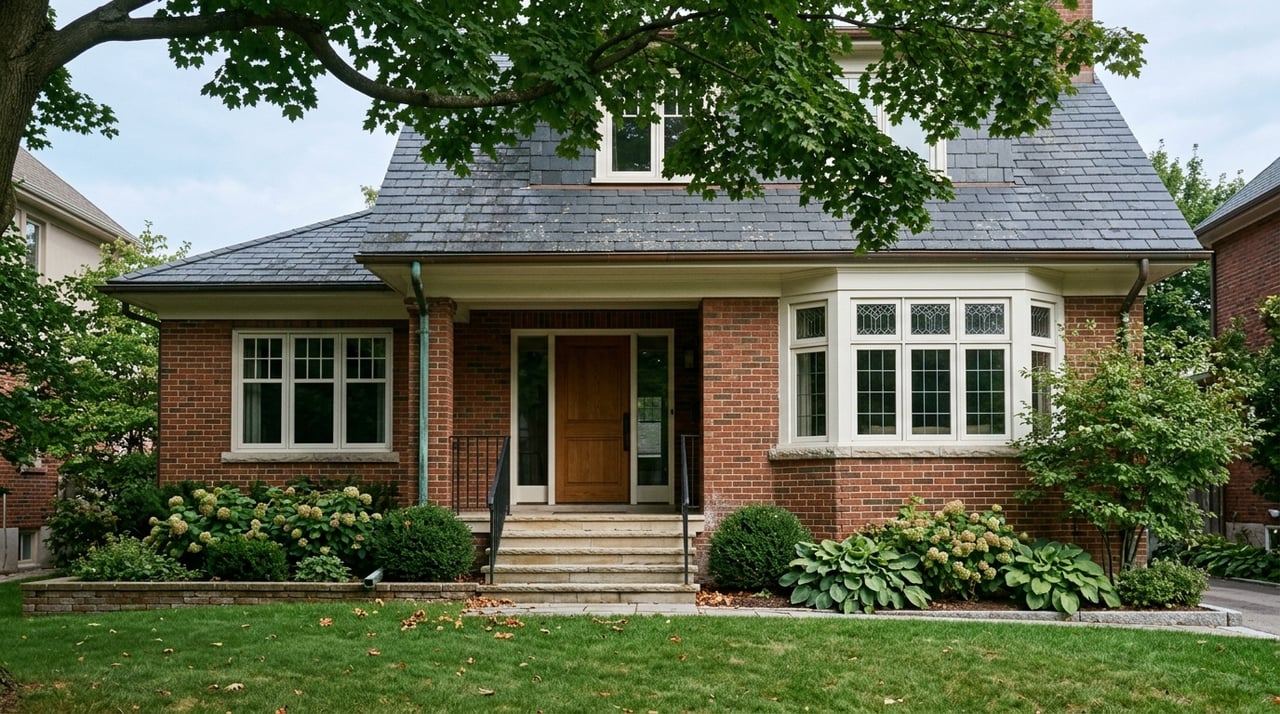
Moving to Rosedale is not just about buying a home. It is about choosing a very specific kind of Toronto lifestyle, one shaped by heritage architecture, mature trees, ravine landscapes, and quick access to downtown. If you are relocating and trying to decide whether Rosedale fits how you want to live, this guide will help you understand what makes the neighbourhood distinct, what to expect from the housing stock, and where careful due diligence matters most. Let’s dive in.
Why Rosedale Feels Different
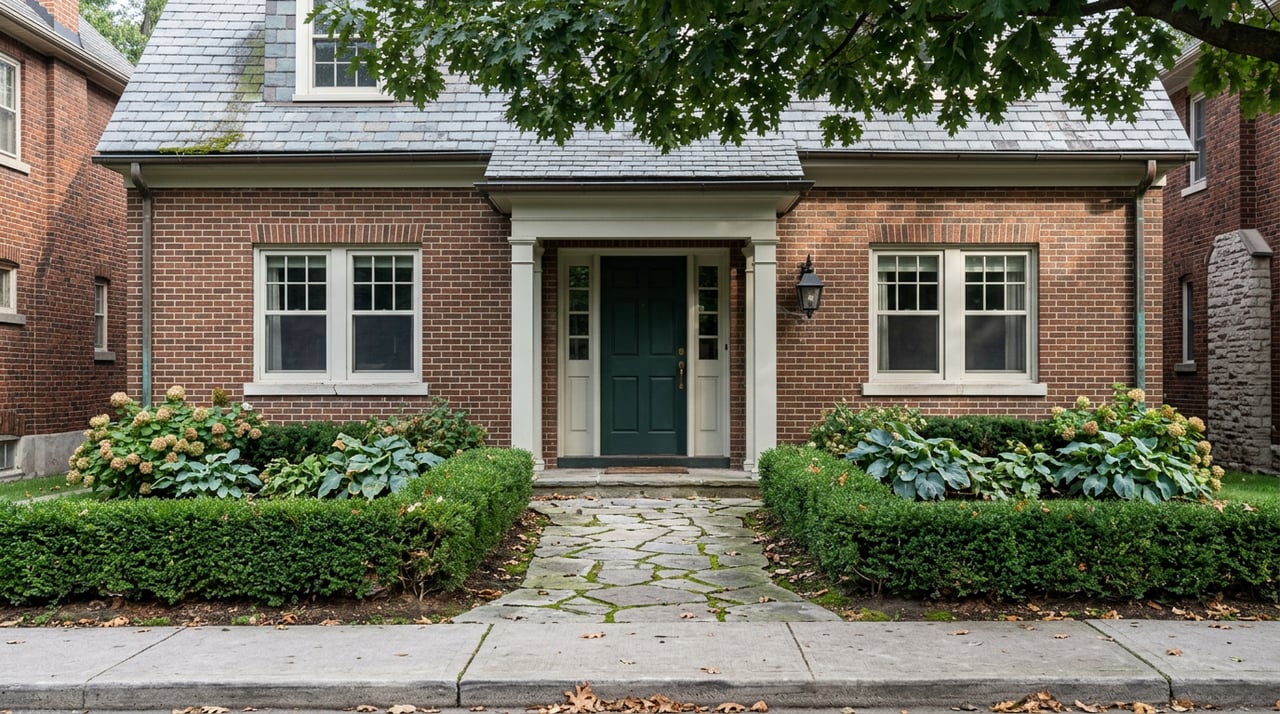
Rosedale stands apart because it was planned as an early picturesque suburb close to downtown Toronto. The City of Toronto describes it as a historic residential district with curving streets, park-like lots, mature tree canopy, and varied upper-class housing dating from the 1880s to the 1930s.
For you as a buyer, that means the setting matters as much as the square footage. A home here is part of a broader streetscape, and that streetscape is one of the main reasons people are drawn to Rosedale in the first place.
Heritage Shapes the Buying Process
One of the most important things to know before relocating to Rosedale is that the neighbourhood includes two Heritage Conservation Districts: South Rosedale and North Rosedale. These district rules are designed to conserve exterior heritage character rather than regulate how you live inside the home.
Interior alterations are not subject to a heritage permit, but exterior alterations and demolitions are reviewed through Toronto Building and Heritage Planning. The City also notes that heritage designation does not change use zoning, which is an important distinction if you are comparing properties with different renovation histories or future plans.
If you are the kind of buyer who likes to improve a home over time, this matters early. In Rosedale, renovation potential is not just a design question. It is also a planning and approvals question.
South Rosedale at a Glance
South Rosedale developed between two major ravines and remains one of Toronto’s earliest suburbs. Much of its building stock is more than 80 years old, and the area is known for its eclectic architecture, with Georgian Revival and English Cottage styles especially prominent.
Its curving streets create a garden-suburb feel that is very different from a typical city grid. Homes are often experienced from multiple angles, and the relationship between the house, lot, trees, and street is a major part of the neighbourhood’s character.
What Buyers Notice in South Rosedale
In South Rosedale, lot shape, setback, open space, and landscape context can affect how a property feels just as much as the interior layout. The district character statement places strong emphasis on tree canopy, ravine relationships, and private landscapes.
That makes the area especially sensitive to additions, severances, and new-build massing. If you are considering a property because of what you hope to build or expand later, you will want to assess those possibilities very carefully before making assumptions.
North Rosedale at a Glance
North Rosedale shares the same tree-lined, ravine-oriented character, but it presents a somewhat different housing pattern. The district plan describes it as a secluded residential neighbourhood with a strong concentration of 1920s and 1930s architecture and only four vehicle access points.
You will also find variety in housing form. Victorian, Edwardian, Arts and Crafts, Georgian, inter-war, and some modern homes all appear in the district, which gives buyers a broad range of architectural options.
What Buyers Notice in North Rosedale
Not every part of North Rosedale feels identical. The district plan notes that some areas near the commercial edge have smaller lots, tighter side setbacks, and a somewhat denser built form than the larger ravine-side properties.
That is useful if you are relocating and trying to match the neighbourhood to your lifestyle. Some streets feel more secluded and estate-like, while others offer a slightly tighter urban rhythm with easier proximity to nearby amenities.
What to Look at Beyond the House
In Rosedale, a purchase usually involves more than comparing finishes, bedrooms, and floor plans. You should also evaluate the lot itself and how the home sits within its block.
Key items to review include:
- Lot width and depth
- Topography
- Tree cover
- Setbacks
- Ravine adjacency
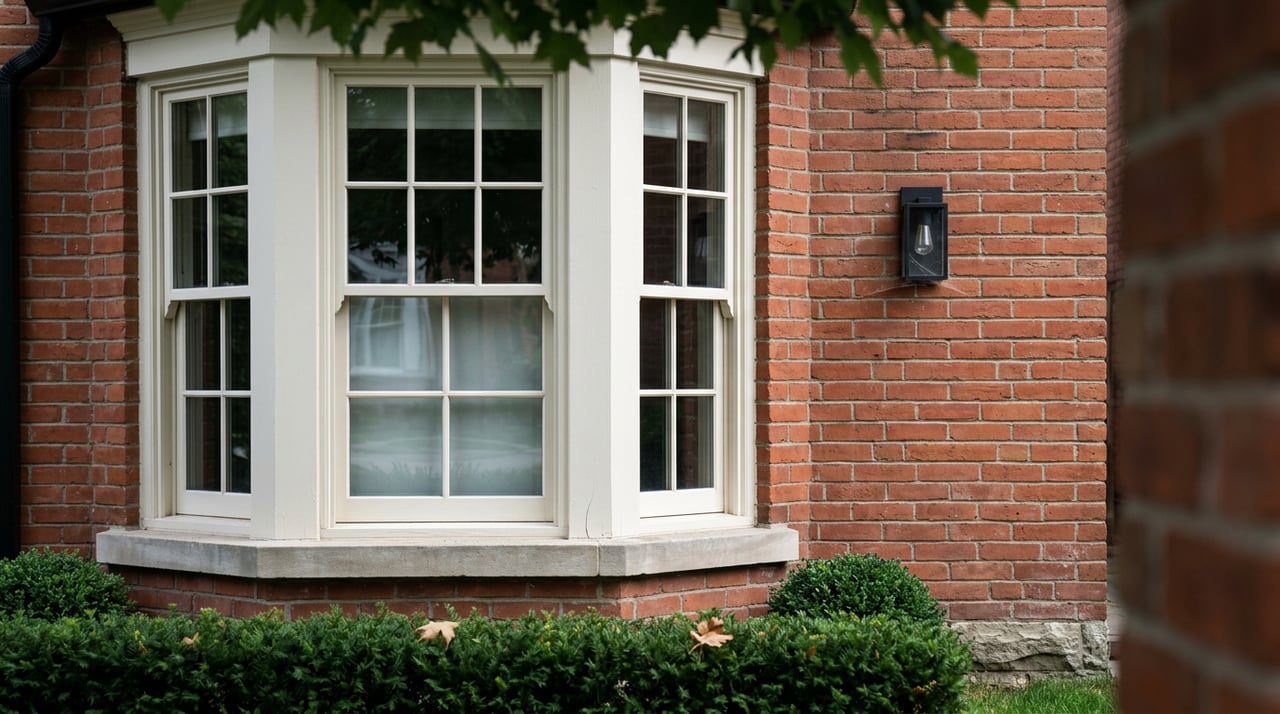
- Exterior character and condition
- Likely heritage status within the district
Two homes may look similar on paper and perform very differently in person. In a neighbourhood defined by landscape and siting, context can have a real impact on both enjoyment and future flexibility.
Transit and Daily Convenience
Rosedale offers strong access to downtown without feeling like a transit-heavy urban core. Transit in and around the neighbourhood is anchored by TTC Line 1 Yonge-University, with both Rosedale Station and Summerhill Station serving the area.
The TTC also shows local service connections including the 97 Yonge, 320 Yonge, and 82 Rosedale Summerhill Ave routes. For day-to-day living, that gives you practical options for subway commuting, local bus connections, and car travel depending on where you need to go.
Accessibility is improving as well. TTC materials state that Rosedale Station became an accessible station on October 3, 2025, and that elevators at Summerhill Station were in service by December 31, 2025.
Ravines and Green Space Matter Here
For many buyers relocating to Rosedale, the natural setting is one of the biggest draws. The neighbourhood’s ravines are not just visual features. The City describes ravines as green infrastructure that support recreation, ecological function, and heat mitigation.
That translates into a daily lifestyle benefit for people who value walking, running, or quiet access to nature. One City trail page specifically identifies a 300-metre trail entering the Don Valley from South Drive near Craigleigh Gardens Park, which gives you a clear example of how close green access can be.
If you want a central Toronto address with a more tucked-away residential feel, this combination of downtown proximity and ravine access is a major part of Rosedale’s appeal.
Culture, Retail, and Nearby Amenities
Rosedale itself is primarily residential, but it benefits from close access to some of central Toronto’s key destinations. The Royal Ontario Museum is located on Queen’s Park at Bloor, and nearby Bloor-Yorkville functions as a major shopping, dining, gallery, and hotel district.
The Bloor-Yorkville BIA describes that area as home to over 700 designer boutiques, restaurants, hotels, and galleries, along with nearly 1,200 businesses and recurring public events and music programming. For you, that means Rosedale can offer a quieter home environment without giving up convenient access to culture and city amenities.
How Rosedale Compares Nearby
If you are relocating to Toronto, you may also be comparing Rosedale with other prestige neighbourhoods nearby. That comparison is worth making, because each area offers a different balance of privacy, lot pattern, and urban energy.
Rosedale vs. Yorkville-Hazelton
Yorkville-Hazelton is more mixed-use and more tightly urban in form. The City’s heritage plan describes it as an area with a history of both residential and commercial uses, with housing types built close together.
The same plan notes that Hazelton Avenue lots are generally about 150 feet deep and roughly 15 to 25 feet wide, with buildings set back 20 to 30 feet from the street. Compared with that tighter grain, Rosedale is more landscape-driven and residential in feel.
Rosedale vs. East Annex
The East Annex has a different pattern again. The City describes it as an area shaped by incremental change and major development periods from the 1870s to the first decade of the twentieth century.
Rosedale, by contrast, is more defined by park-like lots, mature canopy, and stronger separation from the surrounding street grid. If you are choosing between the two, the difference often comes down to whether you prefer a more embedded urban fabric or a more secluded residential setting.
Due Diligence Before You Buy
In a neighbourhood like Rosedale, careful due diligence is essential. Before you move too far into a purchase, you will want to understand both the property itself and the approval environment around it.
Important questions include:
- Is the property contributing or non-contributing within the Heritage Conservation District?
- Are there heritage designations or listings beyond the HCD status?
- Are there tree, ravine, or topography issues that may affect future work?
- Does the existing exterior condition suggest more near-term maintenance planning?
The City’s framework is especially important here. Contributing properties have stronger protection, and demolition of a contributing property is generally not allowed except in exceptional circumstances. Even on a non-contributing property, new construction must still respect district character.
Planning Renovations in Rosedale
If you are buying with renovation plans in mind, assume that visible exterior work will require time, documentation, and review. According to the City’s heritage permit guide, applications for alterations or demolition in a Heritage Conservation District go through Toronto Building with Heritage Planning review.
The process can require drawings, specifications, photographs, and technical heritage studies. The City also makes clear that a heritage permit does not replace a building permit, so you may be dealing with multiple approval steps depending on the scope of work.
This is where strategic guidance can make a real difference. In a neighbourhood like Rosedale, understanding the planning context early can help you avoid buying a home that does not align with your long-term goals.
Tree and Ravine Rules to Know
Rosedale buyers should also pay close attention to landscape constraints. Toronto’s Tree and Ravine Protection rules state that many private trees, all city street trees, and designated ravine or natural features are protected.
A permit is required to injure or remove protected trees or to work in ravines. For older properties on substantial lots, that means your future maintenance and landscape budget may need to account for a more careful approval process than you would expect elsewhere.
Is Rosedale the Right Fit for You?
Rosedale is best suited to buyers who value architectural character, larger residential lots, mature trees, and a quieter setting close to downtown. It is not simply a prestige address. It is a neighbourhood where location, lot quality, heritage context, and access to ravines all shape the ownership experience.
If you want a more mixed-use and tightly urban environment, nearby areas such as Yorkville-Hazelton or the East Annex may feel like a better fit. If you are looking for a premium residential district with a stronger sense of seclusion and landscape, Rosedale is one of Toronto’s most distinctive options.
Relocating well starts with clarity. If you are considering a move to Rosedale, Taylor Townley Real Estate can help you assess neighbourhood fit, property context, and acquisition strategy with a discreet, data-driven approach.
FAQs
What should buyers know about heritage rules in Rosedale?
- Rosedale includes North and South Rosedale Heritage Conservation Districts, where exterior alterations and demolitions are reviewed by the City, while interior alterations are not subject to a heritage permit.
What is the difference between North Rosedale and South Rosedale for homebuyers?
- South Rosedale is known for early suburban development, curving streets, and strong ravine relationships, while North Rosedale includes many 1920s and 1930s homes and a mix of larger ravine-side lots and somewhat denser pockets near its commercial edge.
What transit options are available for people relocating to Rosedale?
- Rosedale is served by TTC Line 1 through Rosedale Station and nearby Summerhill Station, with additional local bus service including the 97 Yonge, 320 Yonge, and 82 Rosedale Summerhill Ave routes.
What due diligence matters most when buying a home in Rosedale?
- Buyers should review heritage status, whether a property is contributing or non-contributing in the district, lot conditions, ravine adjacency, tree protections, topography, and any factors that could affect future exterior work.
How does Rosedale compare with Yorkville-Hazelton or the East Annex?
- Rosedale is generally more residential, landscape-oriented, and secluded, while Yorkville-Hazelton is more mixed-use and tightly urban, and the East Annex is more defined by incremental urban change and a closer-knit street pattern.