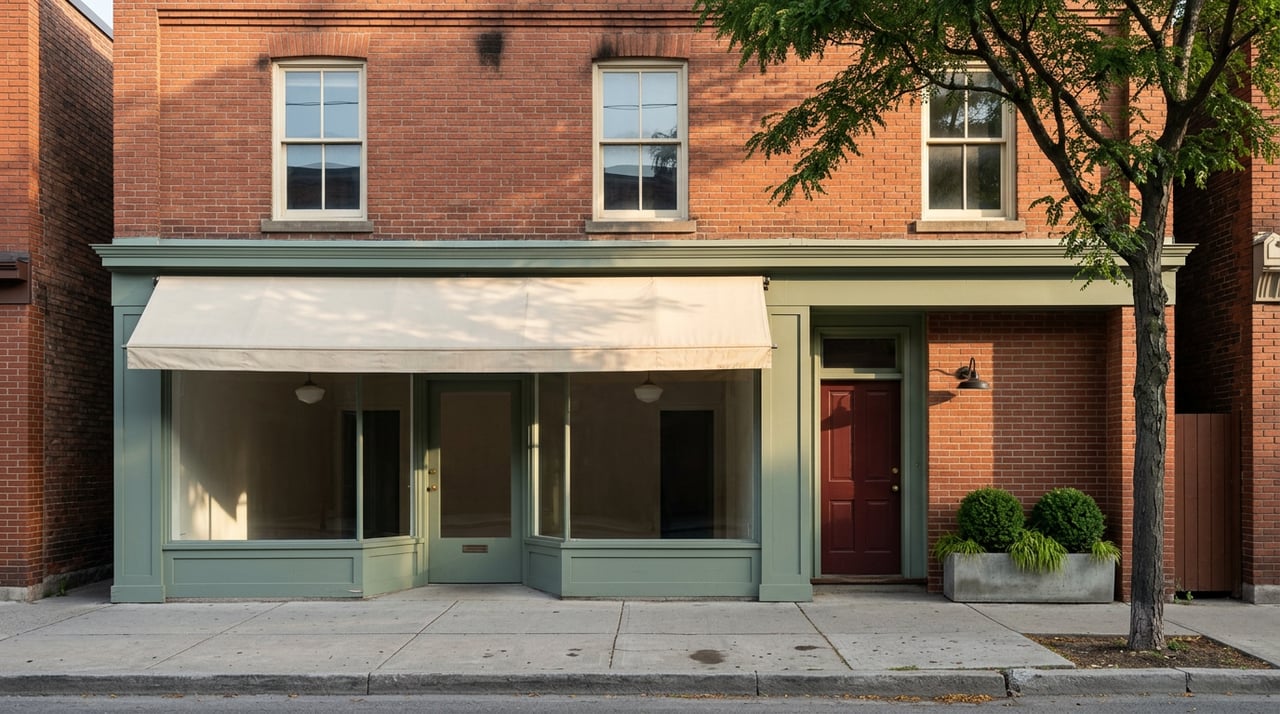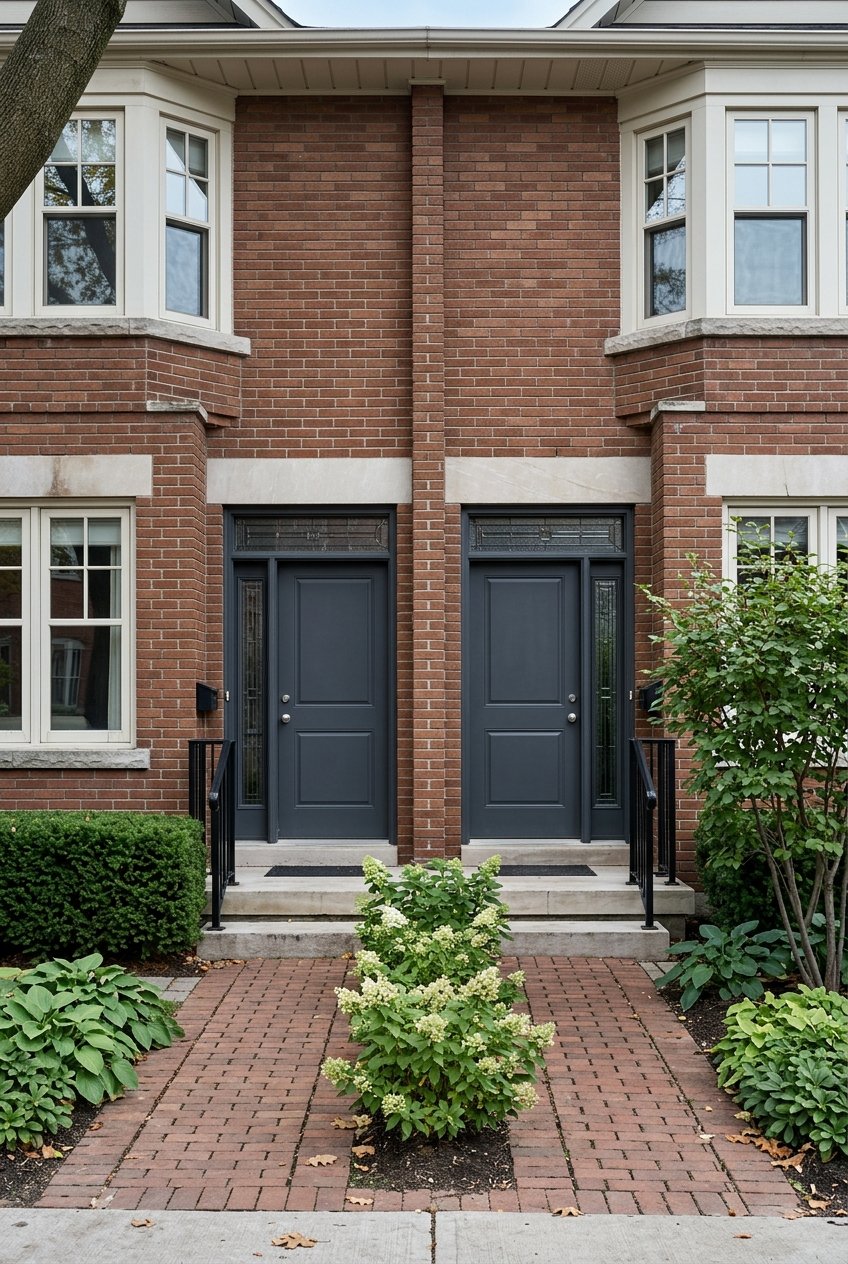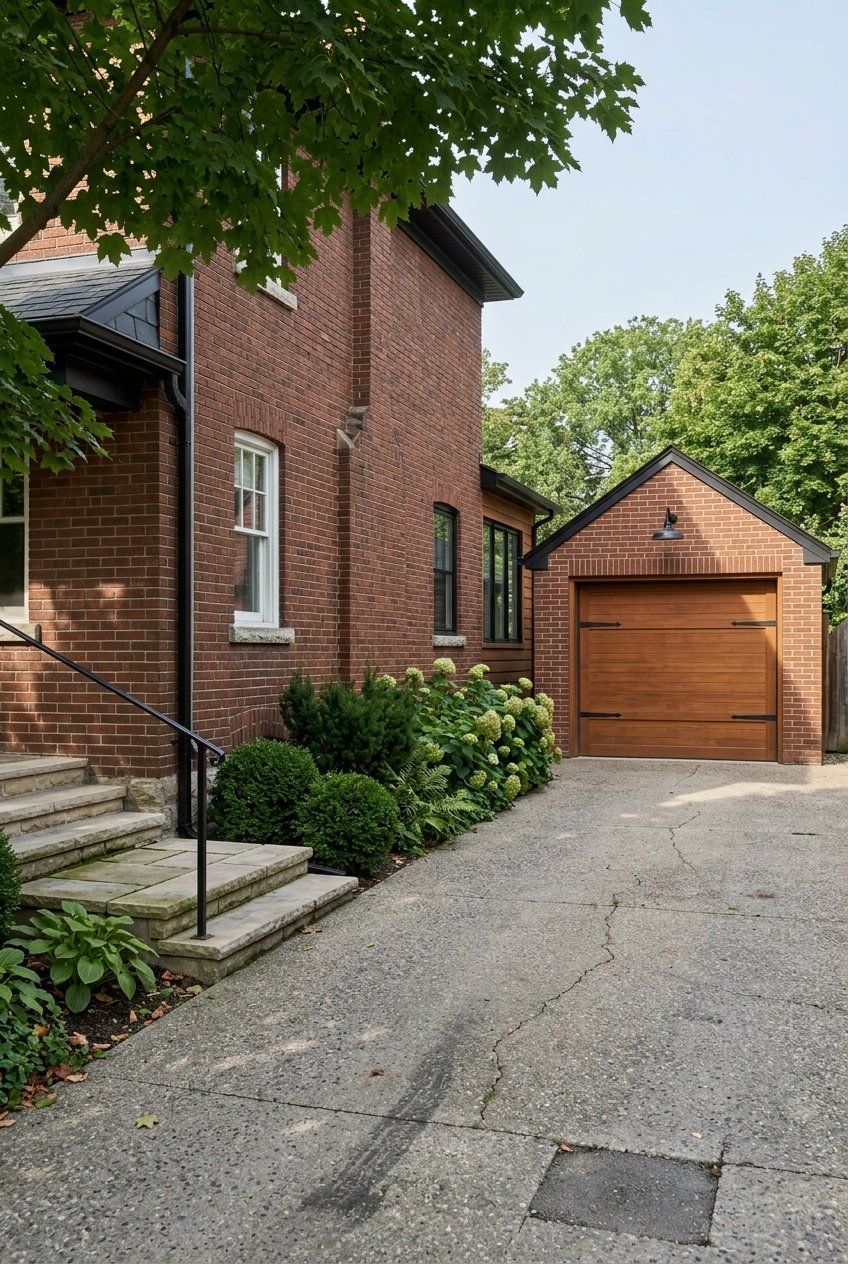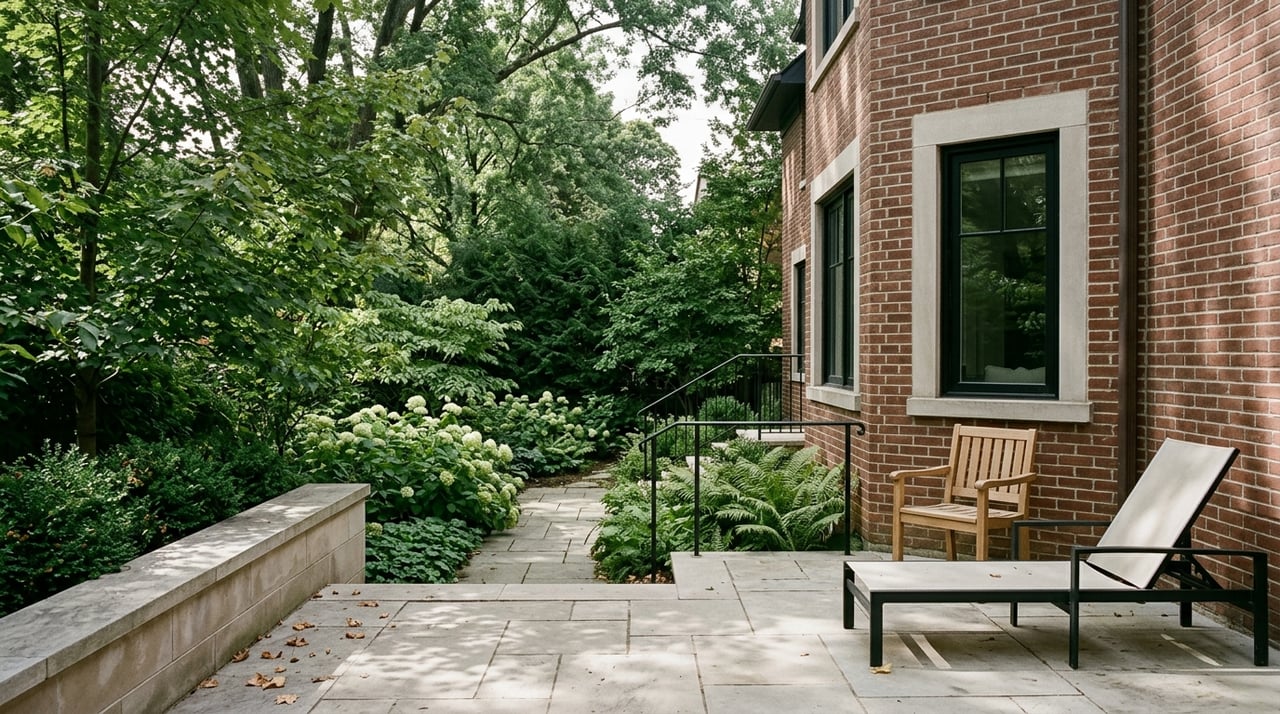
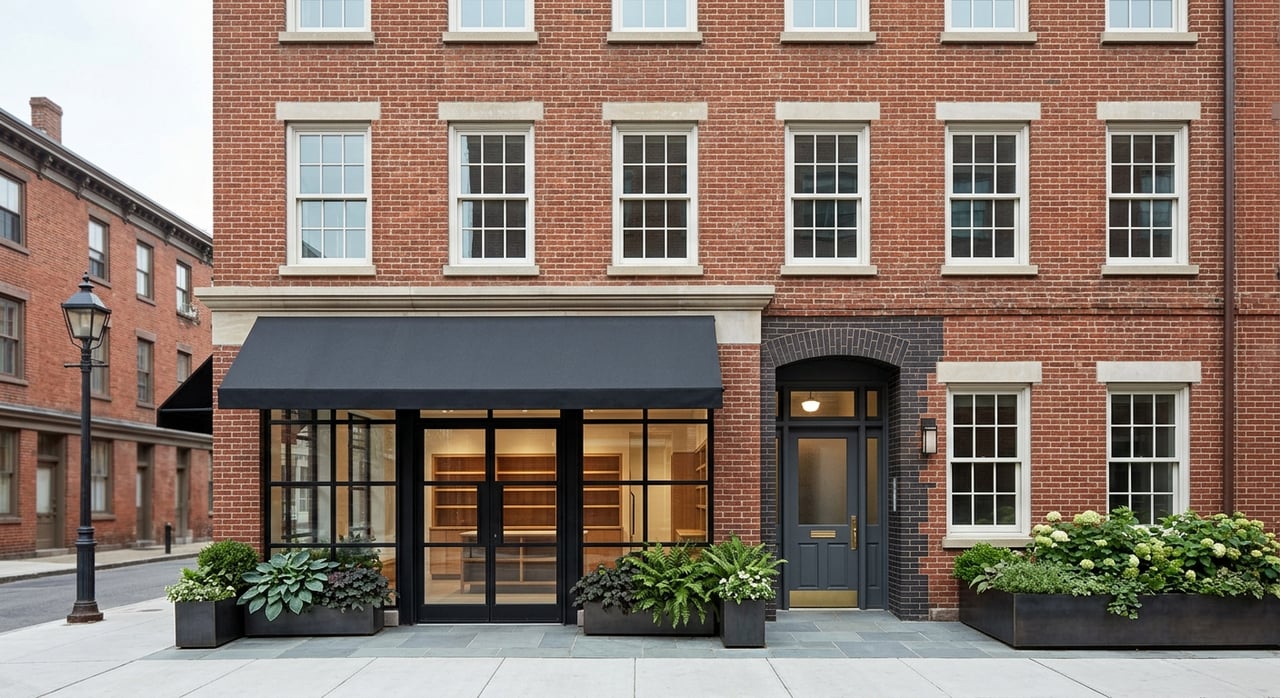
Yorkville does not fit the usual mixed-use investment template. On just a few blocks, you can move from house-form commercial buildings and historic main street rows to retail podiums and larger mixed-use projects, all within one of Toronto’s best-known retail districts. If you are considering a boutique mixed-use investment here, the opportunity is real, but so is the need for disciplined underwriting. Let’s dig into what makes Yorkville different, where value can come from, and what to review before you move forward.
Why Yorkville draws investor interest
Yorkville sits within the broader Bloor-Yorkville area, which the City of Toronto describes as the northern gateway to Downtown Toronto. The area is under significant development pressure because it connects to two major subway lines, and the City is still developing a Bloor-Yorkville Secondary Plan to provide more direction on built form, area-specific policies, and the public realm.
That planning context matters because Yorkville already combines transit access, prestige, and steady visitor activity. The Bloor-Yorkville BIA says the district has nearly 1,200 business members and more than 700 designer boutiques, restaurants, hotels, and galleries. For an investor, that concentration supports the case for durable demand in well-located commercial space.
Toronto’s broader retail picture adds another layer. CBRE’s H2 2025 retail survey found that Toronto retail remained strong, quality space was in short supply, and rents continued to rise in high-traffic nodes. In a location like Yorkville, that can make smaller mixed-use assets appealing to buyers who want more flexibility than a pure residential holding.
What boutique mixed-use means in Yorkville
In Yorkville, boutique mixed-use does not mean one standard building type. The local building stock includes low-rise historic fabric, mixed-use streetwall buildings, apartment towers, commercial towers, and adaptive reuse projects. That variety is part of what makes the market interesting, but it also means each property needs to be judged on its own planning, heritage, and leasing realities.
The City’s 2025 heritage work describes a number of forms across the area. In the Yorkville Village Core, late-19th and early-20th century residential buildings on streets like Cumberland, Yorkville, and Scollard have often been converted to commercial use, while Yonge Street includes historic mixed-use forms with commercial uses at grade. Davenport Road also includes residential buildings that have been converted to commercial use.
In practical terms, a small investor may be looking at one of several formats:
- A house-form commercial property with retail or service use
- A main street building with commercial space at grade and upper-level space above
- A small multi-tenant retail building
- A mixed-use building with both commercial and residential income
- An adaptive reuse opportunity where presentation and tenancy can be improved
That range is important because Yorkville is not simply a market of condos over shops. It is a layered district where older building forms and newer commercial formats coexist, often on the same short stretch.
Tenant categories that fit the market
Tenant quality is a major part of the Yorkville investment story. Recent reporting from CBRE highlights leasing activity and brand entries in categories such as athleisure, food and beverage, fitness, eyewear, beauty, and wellness. The Bloor-Yorkville BIA also organizes the district around shopping, dining, salons and spas, wellness, hotels, culture, and services.
For a small mixed-use owner, that does not mean every property can attract a flagship tenant. It does suggest that the area supports operators who benefit from strong foot traffic, brand visibility, and an established lifestyle identity. In other words, tenancy strategy in Yorkville is often about fit as much as rent.
When you review a property, look closely at whether the existing space aligns with uses that already perform in the district. A polished storefront, efficient layout, and strong street presence may matter more here than dramatic redevelopment potential.
Where value-add can actually come from
In Yorkville, the most realistic upside often comes from repositioning rather than major redevelopment. CBRE notes that high-quality smaller retail spaces in Toronto, especially in the 750 to 3,000 square foot range, can attract multiple offers. That supports a practical value-add approach focused on quality, visibility, and tenant mix.
For many boutique assets, the most relevant levers include:
- Refreshing the storefront and façade
- Improving signage visibility where permitted
- Reconfiguring interiors for more functional leasing layouts
- Upgrading finishes to better match the district’s expectations
- Repositioning tenancy toward stronger use categories
- Addressing deferred maintenance that affects presentation or leasing appeal
This is where discipline matters. In Yorkville, value-add often means improving income durability and physical presentation within the current planning envelope. It is usually less about forcing density and more about making the asset more competitive on its block.
Heritage can be a constraint and an advantage
Heritage is one of the most important parts of any Yorkville mixed-use analysis. The City notes that Yorkville-Hazelton is a designated Heritage Conservation District, and within an HCD, exterior changes to designated properties can require a heritage permit. The City also states that HCD designation does not regulate property use, but it can shape exterior alterations, additions, and new construction.
For investors, that creates both limits and opportunities. If a building contributes to the district’s character, demolition is generally not allowed except in exceptional circumstances. At the same time, the City’s heritage framework is intended to manage change, not freeze a district in place, which leaves room for compatible upgrades and careful adaptive reuse.
That distinction is important. A heritage building may still support a smart investment thesis, but your upside may depend on preservation-minded improvements rather than sweeping physical change. In some cases, eligible commercial heritage properties may also qualify for the City’s Heritage Property Tax Rebate, which can become part of the financial picture.
Planning review should be site specific
Yorkville is not a blank slate, and no investor should underwrite it as one. The City’s Official Plan says Mixed Use Areas are meant to balance commercial, residential, institutional, and open space uses while protecting active ground floors on main street corridors and creating transitions between different scales.
Zoning review also needs to be property specific. The City states that most Toronto properties are governed by Zoning By-law 569-2013, but former municipal bylaws may still apply depending on the parcel. That means a site-by-site review is essential before you make assumptions about permitted use, additions, or reconfiguration.
The planning picture is also evolving. The City is still developing the Bloor-Yorkville Secondary Plan, and recent heritage work has identified additional properties with potential cultural heritage value. Buyers should be prepared for scrutiny around design compatibility and heritage significance, not a lighter review process.
Operational details can affect performance
In a dense, high-profile district, operations matter. Parking, loading, and traffic flow are recurring concerns in Bloor-Yorkville, and the BIA has identified improvements to parking and commercial loading as important local issues. For a mixed-use asset, these details can influence tenant appeal, servicing, and day-to-day ease of use.
Transit access is still a core strength, but nearby infrastructure work can affect circulation. The TTC says Bloor-Yonge Station is the busiest station in the system, and capacity-related utility investigation work began as early as May 2026. If you are evaluating a property near the core, temporary access disruptions should be part of your practical due diligence.
Underwriting Yorkville with realistic assumptions
A sound Yorkville mixed-use investment thesis is usually built on restraint, not aggressive projections. Start with the basics: current income, lease rollover, tenant quality, capex needs, and the likelihood that improvements can be completed within existing planning and heritage constraints.
It also helps to separate stable income strategy from speculative redevelopment assumptions. If part of your upside depends on a future residential development angle, current condo market conditions suggest caution. CMHC reported that Toronto condo sales had fallen sharply by the end of the first quarter of 2025, that many for-sale units remained unsold, and that lenders often want about 70% presales before funding.
That does not remove opportunity, but it does argue for conservative assumptions on absorption, financing, and exit pricing. In Yorkville, a good deal often looks less dramatic on paper and more durable in practice.
What sophisticated buyers should focus on
If you are exploring boutique mixed-use investment around Yorkville, a few questions can help clarify whether an opportunity is actually compelling:
- Is the location aligned with the district’s strongest retail and service patterns?
- Does the building’s form support the tenant profile the market wants?
- Are façade or layout upgrades possible within heritage and zoning rules?
- How much of the upside depends on better leasing versus major physical change?
- Are loading, access, and circulation workable for the intended use?
- Does the property offer durable income even without a major redevelopment play?
These questions are especially important in a district where presentation, compatibility, and planning constraints can all shape value. Yorkville can reward thoughtful buyers, but it tends to favor strategy over shortcuts.
For private investors and selective commercial buyers, this is where experienced local guidance can make a real difference. Evaluating a Yorkville mixed-use asset often requires more than a basic income review. You need to understand how design, tenant positioning, planning controls, and heritage context all connect before you commit capital.
If you are considering an acquisition, repositioning plan, or discreet sale in Yorkville, Taylor Townley Real Estate offers strategic, design-aware advisory grounded in central Toronto market intelligence.
FAQs
What makes Yorkville attractive for boutique mixed-use investment?
- Yorkville combines strong transit access, high pedestrian activity, a well-established retail and lifestyle identity, and limited high-quality space, which can support durable demand for well-positioned mixed-use assets.
What property types count as mixed-use in Yorkville?
- In Yorkville, mixed-use can include historic main street buildings, house-form commercial properties, retail buildings with upper-level space, and larger projects that combine commercial and residential uses.
What are the main risks when buying a Yorkville mixed-use property?
- The biggest risks often involve heritage controls, site-specific zoning limits, evolving planning policy, access and loading constraints, capex needs, and overly aggressive assumptions about redevelopment or residential exit value.
Can you renovate a heritage property in Yorkville?
- Yes, but exterior changes to designated properties within the Heritage Conservation District can require a heritage permit, and any work should be compatible with the district’s character.
What value-add strategies make sense for Yorkville investors?
- The most practical strategies often include storefront refreshes, façade improvements, interior reconfiguration, deferred maintenance upgrades, and tenant repositioning toward uses that fit the district well.
How should buyers underwrite residential redevelopment potential in Yorkville?
- Buyers should use conservative assumptions, especially given softer Toronto condo conditions in 2025 and the financing challenges tied to presale requirements for residential projects.