If you are drawn to Casa Loma, you are probably looking for more than a postal code. You are looking for a home with presence, a streetscape with character, and a daily routine that feels distinct from other parts of central Toronto. This guide will help you understand how Casa Loma homes look, how the neighbourhood functions day to day, and what practical details matter most before you buy or sell. Let’s dive in.
What Defines Casa Loma Homes
Casa Loma is shaped by more than architecture alone. City planning materials describe a neighbourhood framed by the Davenport Escarpment to the south, Bathurst Street to the west, Nordheimer Ravine to the north, and Poplar Plains Road to the east. That topography influences how the area feels, with changing grades, turning streets, and view corridors that give parts of the neighbourhood a more enclosed, residential character.
That setting matters because design and daily living are closely connected here. In Casa Loma, the relationship between house, yard, trees, and street edge is part of the neighbourhood identity. You are not just buying square footage. You are buying into a specific physical setting that can shape everything from curb appeal to parking and renovation plans.
Heritage Character on Key Streets
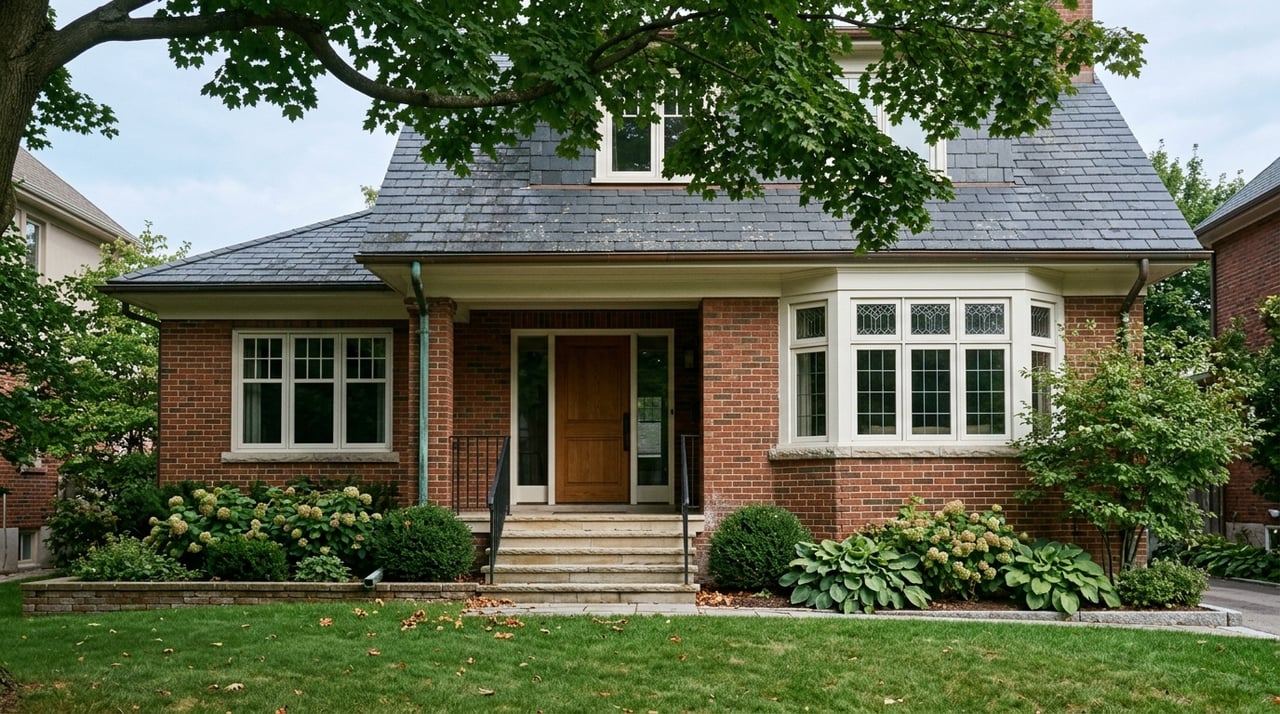
Two streets stand out in the City of Toronto’s heritage study: Hilton Avenue and Wells Hill Avenue. Hilton Avenue is noted for its largely consistent row of 2.5-storey Edwardian houses built between 1911 and 1919, with strong streetwalls, shallow setbacks, front porches, bay windows, and front-facing gables or dormers.
Wells Hill Avenue offers a different expression. The city describes it as a more varied streetscape of 2.5- to 3-storey homes built between 1910 and 1929, shaped by garden-suburb planning ideas, landscaped front yards, mature tree canopy, and sidewalks on only one side of the street.
Together, these details tell you a lot about Casa Loma’s design language. Brick, stone, and stucco are common. Gabled and hip roofs, clearly expressed front entrances, and low-rise massing also help define the area’s visual rhythm.
Design Expectations Inside the Home
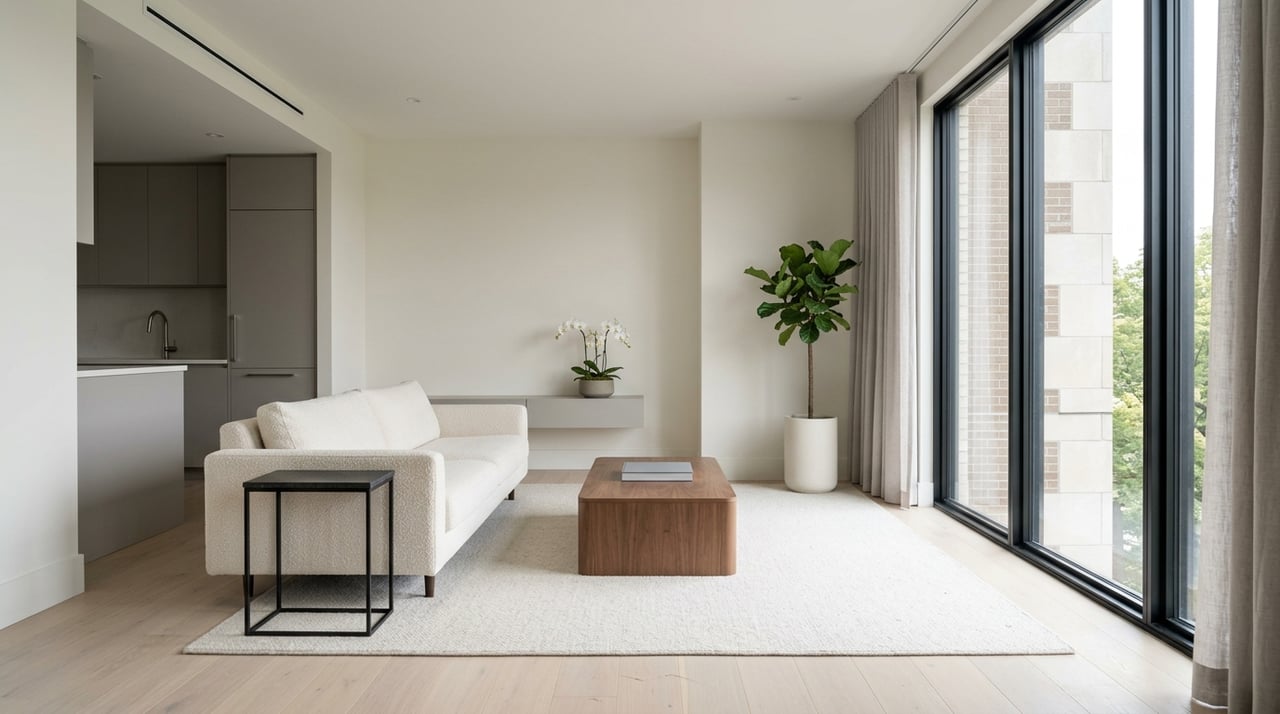
If you love historic homes, Casa Loma can be especially compelling. Many of the exterior forms documented by the city suggest interior layouts that were shaped by the original house massing rather than by newer open-concept standards. Porches, bay windows, dormers, and compact streetwalls often point to homes with a stronger sense of room definition.
That does not make these homes less functional. It simply means you should look at layout through a design lens. When you tour a property, pay attention to how the home balances original character with modern updates, especially if you value both architectural integrity and everyday usability.
Casa Loma Is Not Only Detached Homes
Casa Loma has a strong heritage image, but the broader neighbourhood is more mixed than many buyers expect. According to the City of Toronto’s 2016 neighbourhood profile, the area had 5,833 private dwellings, including 16% single-detached houses, 5% semi-detached houses, 4% row houses, 3% duplexes, 22% apartments in buildings under five storeys, and 50% apartments in buildings of five or more storeys.
The same profile shows a tenure mix of 60% renter households and 40% owner households. In practical terms, that means the character-home experience is most visible on the low-rise side streets and within the heritage study area, while the broader Casa Loma neighbourhood also includes a substantial apartment component.
How Daily Living Feels in Casa Loma
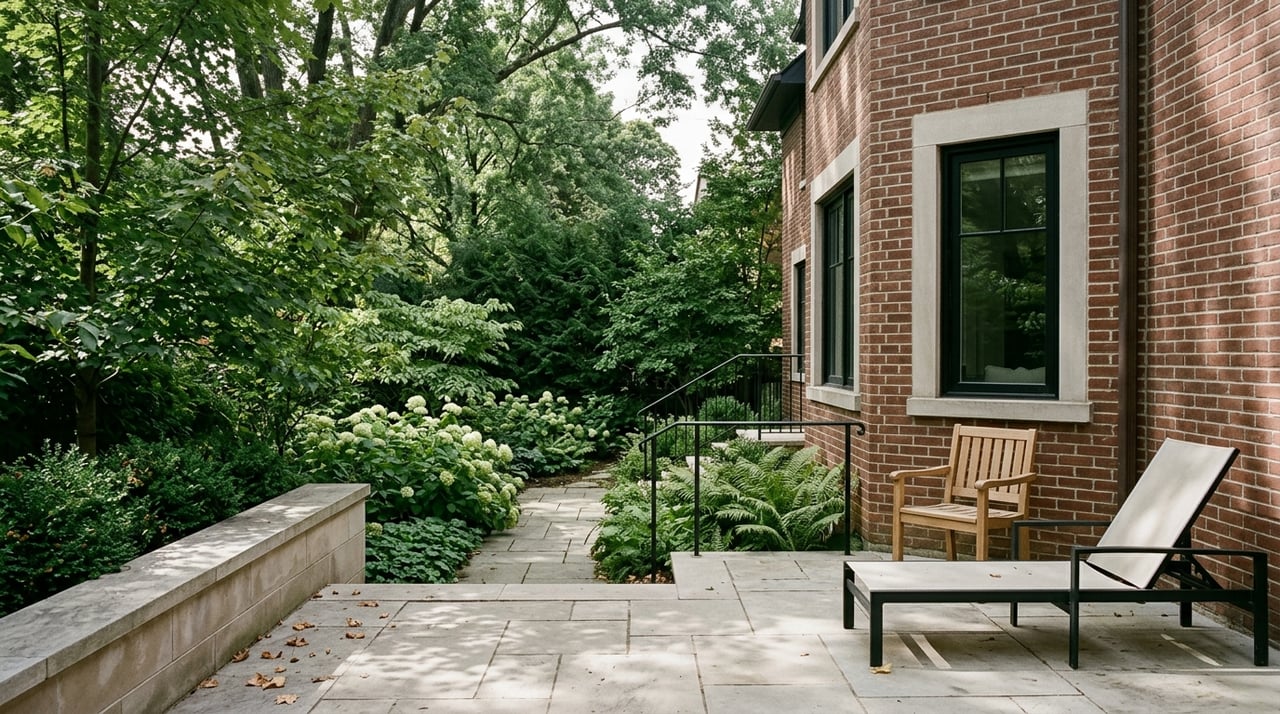
One of Casa Loma’s biggest lifestyle advantages is its setting. The heritage study highlights landscaped front yards, mature trees, and varying setbacks, especially in areas like Wells Hill Avenue where the streetscape can feel almost garden-like. If outdoor space matters to you, this is one of the neighbourhood’s strongest design cues.
That said, the same qualities that make Casa Loma attractive can also add practical responsibilities. Exterior upkeep often matters more here than in a condo-oriented area. Front-garden maintenance, tree care, and the visual relationship between the home and the street are part of the ownership experience.
Parking and Visitor Traffic Matter
Casa Loma is not a neighbourhood where logistics should be treated as an afterthought. The City of Toronto created a Transportation Management and Mitigation Plan because special events at Casa Loma were generating added traffic and parking demand. Public consultation highlighted pedestrian safety, wayfinding, event pick-up and drop-off, and on-street parking enforcement as recurring concerns.
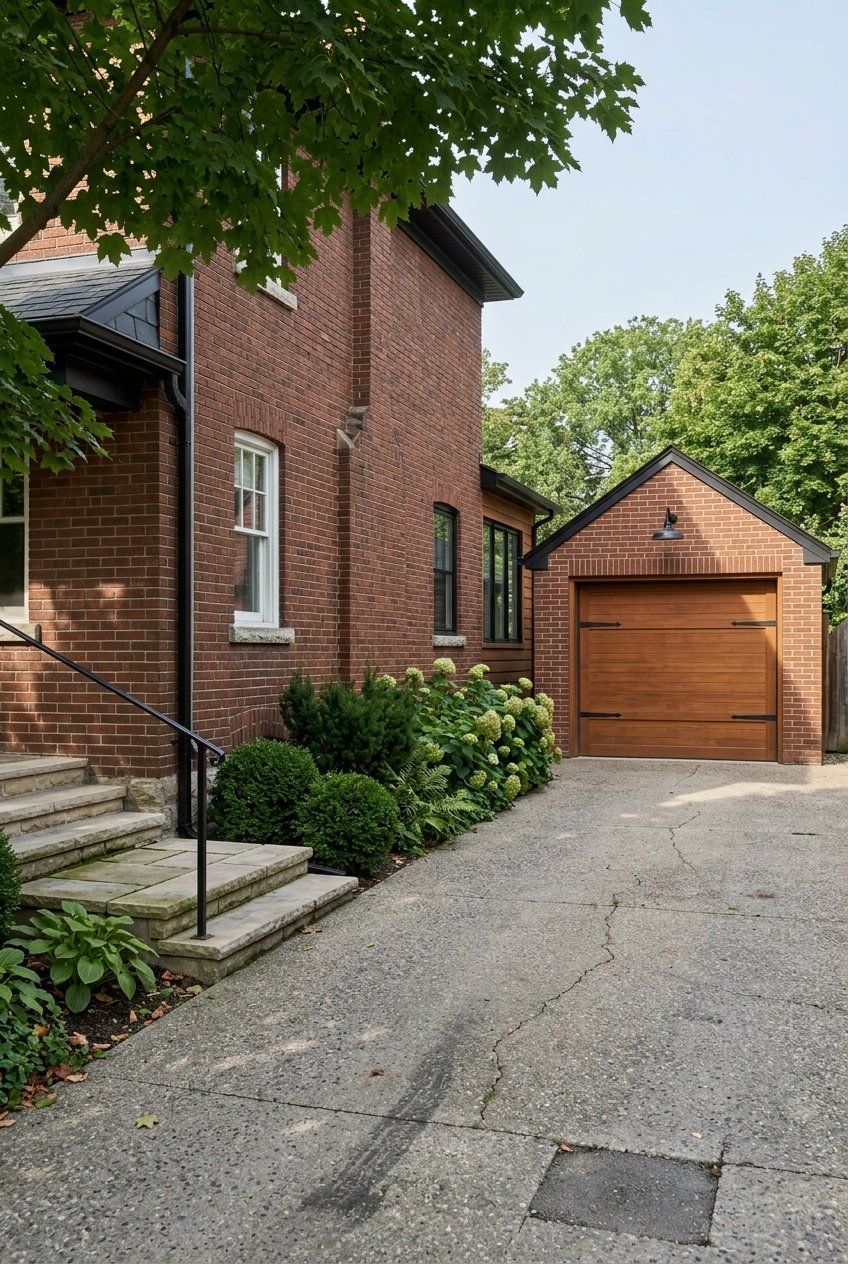
For buyers and sellers, that has real meaning. On some streets, parking may feel tighter than in a more typical residential pocket. If you are considering a home here, it is worth looking carefully at how parking works in practice, especially near event areas or on streets affected by visitor traffic.
Transit Access Without a Station Inside
Casa Loma offers central-Toronto access, but not in exactly the same way as a neighbourhood built around a station in its core. TTC resources confirm nearby access to Dupont Station and St Clair West Station on Line 1, along with the broader bus and streetcar network that supports local trips.
In day-to-day terms, that means transit is available, but your experience may still depend on walking routes, slope, and connections to nearby stations. The escarpment and grade changes can shape how convenient a trip feels, even when the map suggests a short distance.
Renovation Questions Are Part of the Purchase Decision
If you are buying in Casa Loma for design potential, due diligence matters. For properties designated under the Ontario Heritage Act, the City requires a heritage permit before work that alters, demolishes, removes, or erects a building or structure. The city also notes that properties within a Heritage Conservation District are reviewed through Toronto Building and Heritage Planning as part of the permit process.
Just as important, it is best not to assume that the entire neighbourhood is covered by one blanket heritage designation. City materials describe a Casa Loma Heritage Conservation District study and proposed plans for specific streets such as Hilton Avenue and Wells Hill Avenue. That means each property should be evaluated on its own status and planning context.
Smart Questions to Ask Before You Buy
In Casa Loma, a thoughtful purchase usually starts with practical questions rather than surface impressions. A beautiful facade is important, but so is understanding how the property works on an everyday level.
Consider asking:
- How steep is the lot, and how does that affect access or outdoor use?
- Where does parking work best on the property and on the street?
- How much of the front yard contributes to the home’s visual identity?
- Are there heritage permit requirements for planned changes?
- Does the current layout support your daily routine, or will you want future updates?
These are the kinds of questions that help you move from admiration to strategy.
Why Casa Loma Appeals to Design-Minded Buyers
Casa Loma stands out because it offers a combination that is hard to replicate in central Toronto. You get topography, mature landscape, early-20th-century housing, and a strong visual identity shaped by both landmark presence and residential texture. For buyers who care about architecture, streetscape, and long-term design value, that mix can be especially compelling.
It also means the neighbourhood rewards careful analysis. The right home here is not only the one that looks beautiful in photos. It is the one whose lot, layout, parking, heritage context, and daily flow align with how you actually want to live.
If you are considering a move in Casa Loma, a measured, design-aware approach can make all the difference. For tailored guidance on buying or selling heritage and high-value homes in central Toronto, connect with Taylor Townley Real Estate.
FAQs
What types of homes are most associated with Casa Loma?
- The strongest heritage image comes from early-20th-century Edwardian and period-revival homes on streets such as Hilton Avenue and Wells Hill Avenue, although the broader neighbourhood also includes many apartments.
Do Casa Loma heritage homes in Toronto require permits for renovations?
- Yes, designated properties may require a heritage permit before certain changes, and properties within a Heritage Conservation District are reviewed through Toronto Building and Heritage Planning.
Is parking difficult in the Casa Loma neighbourhood?
- Parking can be a real consideration, especially around special events at Casa Loma, where the city has identified traffic, pick-up and drop-off, and on-street parking concerns.
How does transit work for daily living in Casa Loma?
- Casa Loma relies on nearby Line 1 stations such as Dupont and St Clair West, along with bus and streetcar connections, rather than a station located inside the neighbourhood itself.
What makes outdoor space important in Casa Loma?
- Landscaped front yards, mature trees, and varying setbacks are part of the area’s character, so exterior maintenance and the relationship between the home and the street often play a bigger role in daily living.