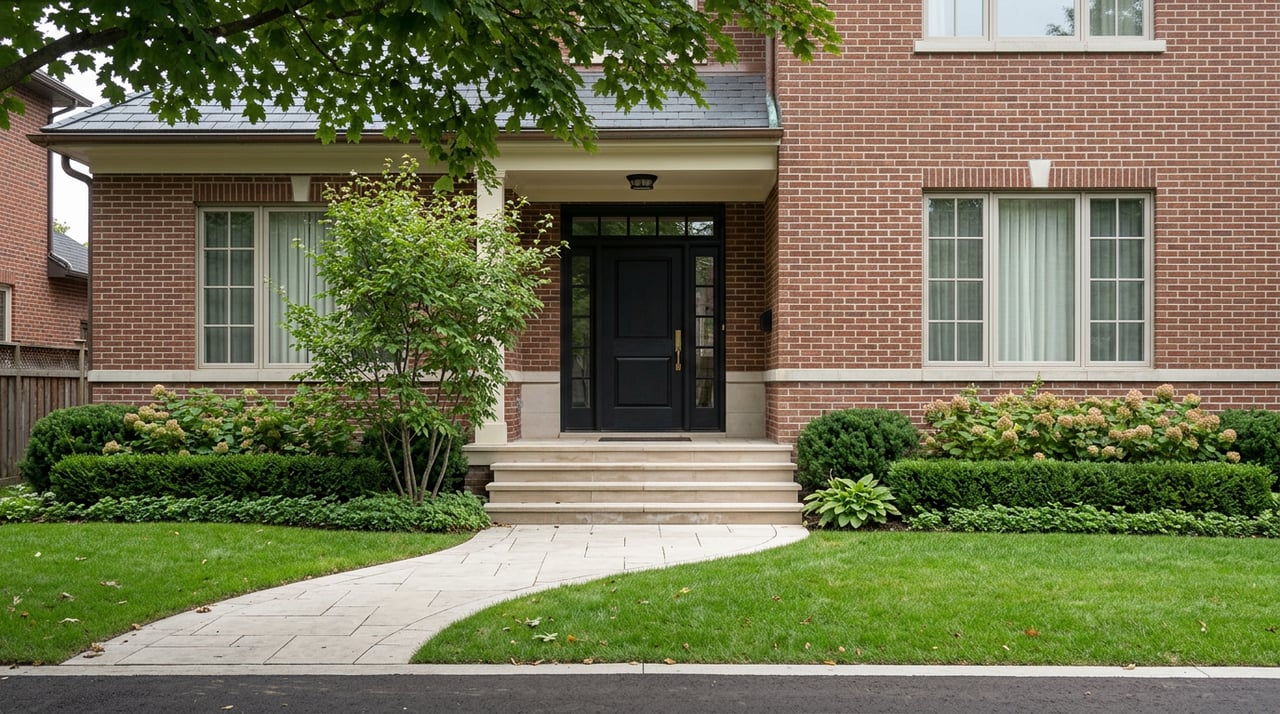
Should you choose Lawrence Park or Rosedale for your next move? Both offer established streets, mature trees, and a quiet, prestige lifestyle close to midtown. The challenge is not deciding whether they are desirable. It is deciding which one fits your day-to-day life, renovation plans, and long-term goals. In this guide, you will get a clear, side-by-side understanding of how the two neighbourhoods differ so you can choose with confidence. Let’s dive in.
Quick overview
Both neighbourhoods sit in midtown Toronto with predominantly detached homes, deep roots, and strong community associations. Rosedale reads as an older, ravine-framed enclave with curving streets, seclusion, and significant heritage influence. Lawrence Park feels like a planned garden suburb with more rectilinear blocks, boulevards, and a visible mix of period homes and recent rebuilds.
If you want a park-like setting and historic streetscapes, Rosedale stands out. If you prefer a traditional main-street village for daily errands and deeper rear yards on many lots, Lawrence Park is compelling. Both connect directly to Line 1 subway stations and midtown cultural destinations.
Streetscape and setting
Rosedale: Ravines and seclusion
Rosedale weaves through a network of ravines that create a folded topography, curving streets, and limited through traffic. The result is a calm, park-like residential core that feels distinctly tucked away even though it sits near downtown. The ravine system is a defining feature of the neighbourhood’s identity and contributes to its enduring appeal. You can explore the landscape’s history in this overview of Rosedale’s curvilinear plan and green system.
Heritage character is visible across many blocks, with early 20th-century architectural styles and mature tree canopy. Portions of Rosedale fall inside Heritage Conservation Districts. These areas are guided by policies that aim to preserve streetscape character and original fabric. You can review the City’s HCD framework on Toronto’s heritage planning page.
Lawrence Park: Garden-suburb structure
Lawrence Park began as one of Toronto’s early “garden suburbs,” which translates to calmer residential blocks, boulevards, and small parks. Streets are generally more rectilinear than Rosedale’s, with sloped blocks in some pockets. Many lots are narrower at the frontage and deeper overall, which creates opportunities for rear additions or landscape design. For a concise overview of the planning and built form, see the Lawrence Park neighbourhood profile.
The City has also advanced local transportation and stormwater work here, aimed at road safety and infrastructure renewal. If you plan to renovate, it helps to understand timing and potential short-term construction impacts. You can follow project updates on the Lawrence Park Transportation Plan.
Homes, lots, and architecture
Shared baseline
Both neighbourhoods are primarily detached-home markets, with occasional low-rise apartments or small condos near major streets. Ownership tends to be long-term and inventory is limited. Expect a market defined by premium properties and low turnover.
Rosedale specifics
You will find large early-20th-century houses, varied architectural influences, and generous green space in many pockets. Because of the curving street grid and ravine edges, lots can be irregular. Many homes undergo careful renovation. In Heritage Conservation Districts, exterior changes often face additional review, and permits can take longer to secure. The City’s page on heritage conservation districts and studies outlines the framework that shapes these decisions.
What this means for you: prioritize due diligence on lot shape, ravine setbacks, and any HCD status. If you value preserved streetscapes and are comfortable with a measured approval process, Rosedale fits that brief.
Lawrence Park specifics
Many homes date from roughly 1910 to 1940, with English cottage, Tudor, and Georgian influences. In recent decades, parts of the neighbourhood have seen tear-downs and new, larger homes. The deeper lot pattern often supports rear additions and landscape programs, subject to zoning and committee review. You will also see a range of modern rebuilds alongside original homes, which creates a more varied streetscape in certain sections. A broad historical snapshot is available in the Lawrence Park profile.
What this means for you: look for lot depth, side setbacks, and any recent municipal works that could affect street access during construction. Expect active ratepayer engagement on major proposals.
Daily amenities and shopping
Lawrence Park: Strong main-street access
If you want day-to-day shopping within a short walk, the Yonge & Lawrence corridor is a key advantage. The Yonge Lawrence Village Business Improvement Area anchors groceries, cafes, services, and restaurants along Yonge Street. You can confirm area coverage through the City’s BIA directory.
Rosedale: Quiet core, nearby nodes
Rosedale has less retail within its ravine-bounded interior. Residents usually shop and dine in nearby Summerhill, Yonge–St. Clair, or Bloor–Yorkville. The neighbourhood’s “village” feel comes from small specialty shops and active community programming. Mooredale House is a central hub, and Rosedale Park’s annual Mayfair is a longstanding local event. Learn more about the community’s roots through Mooredale House.
Transit and access to culture
Both neighbourhoods sit on Line 1 of the TTC, which provides direct access to midtown and downtown.
- Lawrence Park is served by Lawrence Station.
- Rosedale is served by Rosedale Station and lies near Summerhill and St. Clair stations.
These stations are included in the TTC’s Easier Access program. Always check current construction and accessibility details before you set a commute plan.
Cultural institutions are also close. From either neighbourhood, you have a short trip to the Royal Ontario Museum and the Royal Conservatory on Bloor Street, and to Casa Loma’s gardens. Lawrence Park also sits within easy reach of Edwards Gardens and the Toronto Botanical Garden to the northeast.
Schools and family services
Both neighbourhoods are near public elementary schools and have access to private school options across midtown. In Lawrence Park, local references often include Bedford Park, Blythwood, and Sunny View public schools. In Rosedale, families look to Rosedale Junior Public School and other nearby options. Catchments can change, so verify boundaries directly with TDSB or TCDSB before you rely on a specific address.
Community programming is a shared strength. Rosedale’s Mooredale network provides activities and events, while Lawrence Park residents often make use of Yonge & Lawrence village resources and nearby recreation clubs.
Planning and heritage: what it means for renovations
- Rosedale: Portions of the neighbourhood are covered by Heritage Conservation District policies. Exterior alterations in these areas often require heritage permits and may face additional design review. This helps preserve the visual character of the streets, and it can extend approval timelines. Review the City’s HCD guidance here: heritage conservation districts and studies.
- Lawrence Park: There are fewer blanket heritage designations across the neighbourhood as a whole. You will still encounter active neighbourhood association input and City review. The City has run transportation and stormwater studies in the area, which can influence timing for road work and access during construction. See the Lawrence Park Transportation Plan for context.
If your plan involves major exterior work or a full rebuild, align early with planning, heritage, and ratepayer stakeholders. A pre-design due diligence package can save months.
Market positioning and timing
Both Lawrence Park and Rosedale rank among Toronto’s most expensive neighbourhoods. They are prestige, low-inventory markets where a single high-value sale can shift short-term averages. Expect multi-million-dollar price points for detached homes, with values that fluctuate based on property condition, lot attributes, and timing.
If you plan to buy or sell, focus on live comparables and micro-location nuance. Street-by-street context, heritage overlays, and lot geometry can influence value as much as broader market trends.
A practical decision checklist
Use this quick worksheet to clarify your fit. Score each item from 1 to 5, then total your points for Lawrence Park and Rosedale.
- Daily life and errands
- Do you want groceries, cafes, and services within a 10-minute walk? Lawrence Park often has the edge along Yonge & Lawrence.
- Do you prefer a quieter, greener core with errands a short drive or transit ride away? Rosedale fits that preference.
- Streetscape and frontage
- Do you want curving, park-framed streets and irregular lots? That leans Rosedale.
- Would you prefer more rectilinear blocks, boulevards, and deeper rear yards? That leans Lawrence Park.
- Architecture and renovation flexibility
- Is heritage protection and preserved original character a priority? Consider Rosedale’s HCD areas.
- Do you want more latitude for additions or new construction on select streets? Consider parts of Lawrence Park.
- Schools and services
- Check public catchments and private school commute times from your target addresses. Both offer nearby options, but logistics vary by block.
- Commute and transit
- Which Line 1 entrance is closer to your daily routine: Lawrence, Rosedale, Summerhill, or St. Clair? Confirm current accessibility work.
- Long-term resale and liquidity
- Both markets are prestigious with historically strong value retention, but turnover is low. Plan for market cycles and allow time to find the right buyer.
- Community feel and clubs
- Do you want a community hub with active programming like Mooredale and events such as Mayfair? Rosedale aligns.
- Do you want a main-street village rhythm and access to private clubs and recreation nearby? Lawrence Park aligns.
Add up your points for each neighbourhood. The higher score suggests a stronger day-to-day fit.
Choose with clarity
If you love heritage architecture, sculpted landscapes, and a secluded feel, Rosedale will likely resonate. If you want a classic midtown vibe with a strong main street and deeper backyards in many blocks, Lawrence Park will feel right. In both cases, success comes from due diligence: heritage status checks, lot geometry and setback reviews, station access updates, and live sold data.
When you are ready to compare shortlists, set up pre-offer inspections, or plan a design-led renovation path, work with a local advisor who can read the micro-market and coordinate the right team.
Ready for a confidential conversation about your next move in Lawrence Park or Rosedale? Reach out to Taylor Townley Real Estate to align your criteria, tour on- and off-market options, and build a clear acquisition or sale strategy.
FAQs
What is the main streetscape difference between Lawrence Park and Rosedale?
- Rosedale is shaped by ravines with curving streets and a park-like feel, while Lawrence Park has a garden-suburb plan with more rectilinear blocks and boulevards. See the Rosedale landscape history and Lawrence Park overview for context.
How do heritage controls affect renovations in Rosedale and Lawrence Park?
- Parts of Rosedale fall within Heritage Conservation Districts that guide exterior changes and can extend permit timelines. Lawrence Park has fewer blanket designations but active neighbourhood review. Check the City’s heritage conservation district guidance.
Which neighbourhood is better for walking to daily shops and cafes?
- Lawrence Park often has stronger day-to-day convenience along the Yonge & Lawrence corridor. You can confirm local coverage in the City’s BIA directory.
What should I know about transit access in both areas?
- Both sit on TTC Line 1. Lawrence Park uses Lawrence Station; Rosedale uses Rosedale Station and is close to Summerhill and St. Clair. Check current Easier Access construction updates before you plan a commute.
Are lot shapes and sizes different in each neighbourhood?
- Yes. Rosedale often has larger, sometimes irregular lots due to the curving street grid and ravines. Lawrence Park commonly features narrower frontages with deeper rear yards, which can support rear additions subject to approvals.
How do prices compare between Lawrence Park and Rosedale?
- Both are among Toronto’s most expensive detached-home markets with multi-million-dollar values. Inventory is limited and short-term averages can shift with a single luxury sale. Rely on current MLS or TRREB comparables for any price decisions.
Where can I find community programming in Rosedale?
- Mooredale House is a central hub for community activities and seasonal events such as the Mayfair in Rosedale Park. Read more about the organization’s background at Mooredale House.
Where can I learn more about neighbourhood history and structure?
- For Rosedale’s landscape and history, see the Rosedale entry by TCLF. For Lawrence Park’s planned-suburb origins and built form, review the Lawrence Park profile, and consult the City’s heritage planning resources for current policy context.