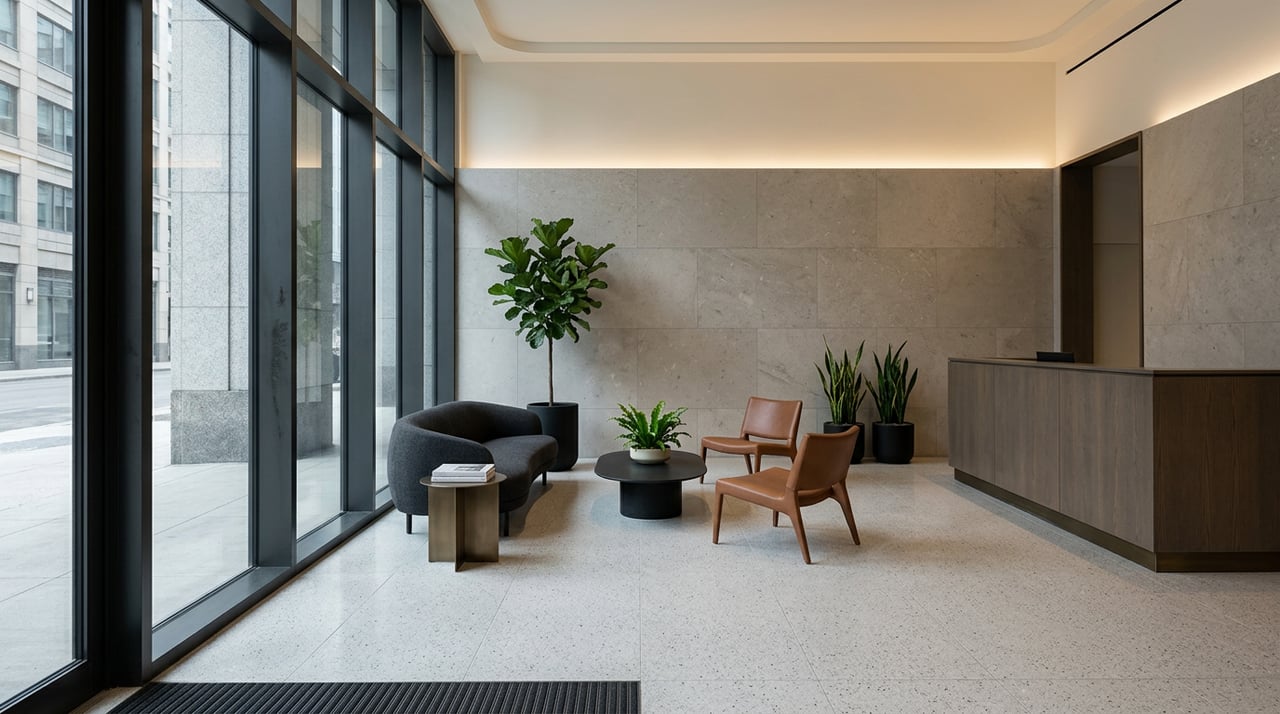
Wondering what daily life in a Yorkville condo actually feels like? If you picture a compact, polished urban village where your errands, workouts, and favorite restaurants sit within a few blocks, you’re close. In this guide, you’ll get a clear view of the lifestyle, from walkability and culture to amenities, fees, and buyer checks so you can decide if it fits your goals. Let’s dive in.
Yorkville, defined
Yorkville, often referred to as Bloor‑Yorkville, is a small, high‑end shopping and cultural district centered on Bloor Street between Yonge and Avenue Road, with boutiques and cafés along Yorkville Avenue, Cumberland, Hazelton, and Scollard. The area blends luxury retail, hotels, galleries, and wellness businesses into a compact grid. The Bloor‑Yorkville BIA frames it as an urban village, which aligns with how residents actually use the neighborhood day to day.
You’ll see primarily high‑rise condos here, including hotel‑residences and boutique low‑rise buildings. The resident mix often includes professionals, downsizers, and international buyers who value service, security, and proximity to transit and culture.
Walkability and transit
Living here supports a low‑car routine. Many addresses within the core show Walk Scores in the high 90s, with quick access to Line 1 and Line 2 at Bloor‑Yonge and Bay. An example Yorkville listing highlights this walkability and transit access with a near‑perfect score on condos.ca, and a southbound ride from Bloor‑Yonge to Union Station typically runs about 8 to 12 minutes.
If you do keep a vehicle, you will likely rely on your building’s parking or a nearby garage. Many residents prefer rideshare or car services for off‑hour trips.
Everyday errands and amenities
Two interior shopping hubs make daily errands simple, especially in winter. The Manulife Centre on Bloor offers shops, services, and dining in a connected podium that residents use for convenience. Local guides often call it an everyday anchor for the neighborhood, reflected in visitor feedback on the Manulife Centre. Yorkville Village (formerly Hazelton Lanes) is another go‑to for food options and boutique services.
Groceries, pharmacies, banking, tailoring, and cafés sit within a short walk of most condo entrances. It feels like a village loop rather than a long errand run.
Dining and culture
Dining ranges from quick coffee to chef‑led rooms and hotel restaurants. The Four Seasons Toronto is a neighborhood anchor with signature dining and a lobby lounge that many residents use for meetings or a quiet drink. You can browse current options on the Four Seasons Toronto destination page.
Culturally, you are steps from the Royal Ontario Museum, with rotating exhibitions, lectures, and family programs. It is an easy evening or weekend stop, which you can explore on the ROM’s site. Small galleries, nearby museums, and seasonal events from the BIA round out a busy local calendar.
Parks and wellness
Green space is small but well‑placed. The Village of Yorkville Park on Cumberland offers seating and planted areas for lunch breaks or a quick pause, with other parkettes and Ramsden Park close by. You can confirm park locations on the City’s parks map.
Wellness is a Yorkville staple. You will find boutique studios for Pilates and personal training steps from most buildings, and many condos add in‑house gyms and spa‑style amenities. The result is a realistic, walkable fitness routine.
Inside a Yorkville condo
Yorkville buildings fall into a few buckets:
- Hotel‑residences that pair private suites with hotel‑level services. A prime example is the Four Seasons Private Residences, where access to spa, pool, and concierge is part of the draw. Review finishes and amenities on the Four Seasons Private Residences overview.
- High‑rise luxury towers with staffed lobbies, premium retail at street level, and expansive amenity floors.
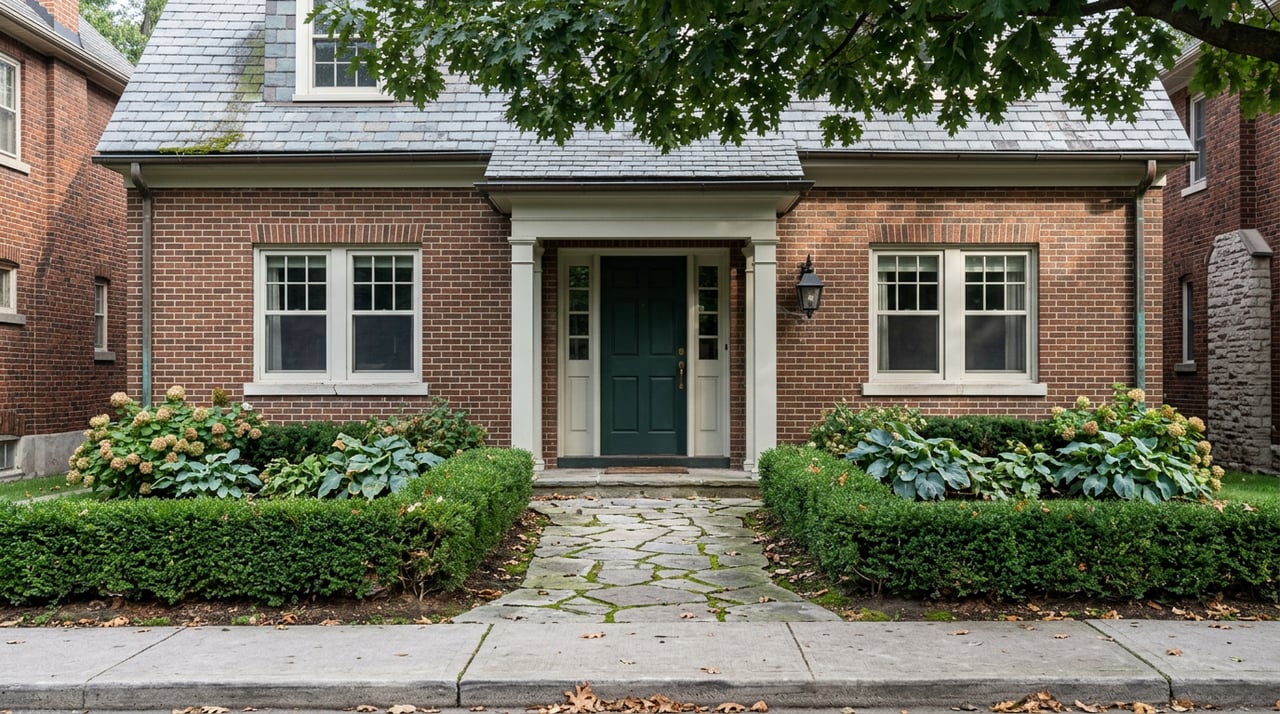
- Boutique low‑rise buildings and townhome conversions on side streets that feel quieter but remain close to Bloor.
Suite finishes and feel
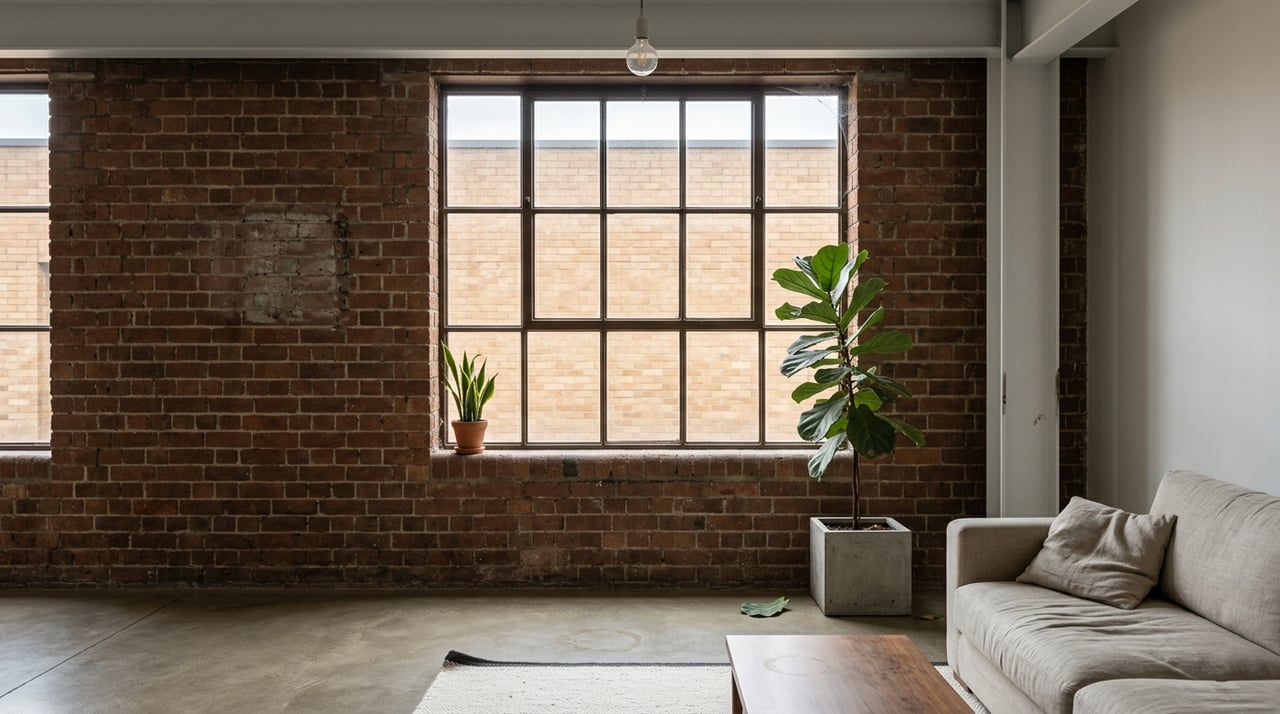
In luxury product, expect floor‑to‑ceiling windows, engineered hardwood or stone floors, integrated cabinetry, in‑suite laundry, and high‑end appliance packages. Ceilings often sit around 9 to 10 feet in upscale lines.
For sizing, large one‑bedrooms commonly range around 600 to 900 square feet, with older or premium models sometimes larger. Two‑bedrooms step up meaningfully, and full‑floor or multi‑bedroom suites command premium pricing. Views and outdoor space vary widely by building and floor.
Amenity life and fees
Common amenities include 24/7 concierge, security, well‑equipped gyms, indoor pools, spa facilities, private dining rooms, landscaped terraces, lounges, guest suites, meeting rooms, and sometimes wine storage. Hotel‑linked buildings may add valet, room service, and housekeeping.
These luxuries shape monthly fees. In Ontario, condo fees typically cover building insurance, common area maintenance, property management, reserve fund contributions, and building systems. Before you buy, review the status certificate and latest reserve fund study, as outlined by the Condominium Authority of Ontario.
Cost picture and value
City averages offer context while Yorkville trades at a premium. As of October 2025, Toronto condo and townhouse figures were reported in the mid‑hundreds of thousands to low‑seven‑hundreds for the city overall, according to a market summary citing TRREB data. You can review that overview on torontobase.ca.
In Yorkville, smaller or older one‑bedroom resales can list roughly in the high‑$500k to $900k band, mid‑size two‑bedrooms often move into seven figures, and large or hotel‑residence suites reach multiple millions. Pricing varies building by building, so study recent solds and price per square foot within your target address. The Four Seasons resale examples on this building page illustrate how premium addresses compare to the city at large.
Parking is often purchased or rented separately and can be a material line item. Lockers, if available, also trade separately in many buildings.
Tradeoffs to weigh
- Pros: Extreme walkability, quick subway access to the Financial District, and easy access to top restaurants, galleries, and wellness. In‑building amenities cut down on errands and commuting.
- Considerations: Smaller living area for the money compared to suburban homes, higher condo fees in amenity‑rich buildings, and more street activity along Bloor and Yonge during peak shopping and event periods. Side‑street addresses feel calmer but remain central.
A weekday morning without a car
- Step out for coffee, pick up a dry‑cleaning ticket, and walk 5 minutes to Bay or Bloor‑Yonge Station.
- Ride south to Union in roughly 8 to 12 minutes, arrive for meetings without parking logistics.
- Evening return includes a quick workout in your building, then a short walk to dinner.
A Saturday shopping loop
- Browse boutiques on Yorkville Avenue and Cumberland, then head into the Manulife Centre for a weather‑proof errand run.
- Pause in the Village of Yorkville Park for a bench break.
- Meet friends for a hotel‑lounge drink or a chef‑led dinner, then stroll home.
Smart buyer checklist
- Status certificate and reserve fund study. Confirm date, funding level, and any planned major work. See the Condominium Authority of Ontario for what to look for.
- Building solds and $/sq.ft. Study the last 6 to 12 months in your exact building to avoid misleading citywide averages.
- Condo rules. Pet policies, renovation approvals, visitor parking, and subletting rules vary. For short‑term rentals, confirm the condo declaration and the City’s licensing framework, which limits rentals to principal residences and requires registration. Review the City’s short‑term rental rules before you plan anything.
- Amenity operations and staffing. If amenities are shared with a hotel, clarify what is included in monthly fees versus paid a la carte.
- Noise and light checks. Visit early morning, evening, and a weekend. Side streets are generally quieter than Bloor.
If you want a compact, service‑first lifestyle with culture and dining at your door, Yorkville delivers. The key is matching your daily rhythm and budget to the right building and floor plan.
Ready to explore specific buildings and off‑market options in Bloor‑Yorkville? Request a confidential, data‑driven plan with Taylor Townley Real Estate.
FAQs
Do you need a car to live in a Yorkville condo?
- No for most daily needs. Walkability is excellent, and the subway at Bay and Bloor‑Yonge provides fast citywide access. Many residents still keep a vehicle for weekend trips.
How noisy is Yorkville for condo living?
- Expect more street activity on Bloor and Yonge, especially during events and sale seasons. Side‑street buildings on Yorkville Avenue, Cumberland, and Hazelton feel calmer but remain central.
What do condo fees usually cover in Yorkville buildings?
- Typically building insurance, common area upkeep, management, reserve fund contributions, and building systems; amenity‑rich or hotel‑linked buildings can carry higher fees.
Are groceries and pharmacies close by in Yorkville?
- Yes. Manulife Centre and Yorkville Village act as everyday hubs, and you will find multiple pharmacies, banking, cafés, and services within a short walk.
How do hotel‑residences differ from standard condos in Yorkville?
- They pair private residential suites with hotel‑level services like spa, pool, concierge, valet, and sometimes room service, which elevates convenience and often increases monthly fees.