If you want a Toronto neighbourhood that feels residential first and memorable every day, Casa Loma stands apart. Perched along the Davenport Escarpment, this area blends heritage homes, ravine edges, and landmark destinations in a way few central Toronto pockets can match. If you are considering a move here, it helps to understand how the streets feel, how you get around, and what daily life actually looks like. Let’s dive in.
Casa Loma at a glance
Casa Loma is best understood as a heritage-rich residential neighbourhood shaped by its hilltop setting. City heritage materials describe the area as a residential neighbourhood bounded by the escarpment, Bathurst Street, Nordheimer Ravine, and Poplar Plains Road.
That geography matters because it influences both the look and rhythm of the area. You get older homes, mature trees, and a street pattern that feels pedestrian-friendly, with views and elevation changes that set it apart from flatter parts of central Toronto.
Community consultation cited by the City also points to a mix of older detached houses and apartment buildings. That gives the neighbourhood some housing variety while keeping its overall identity rooted in low-rise residential streets.
What the streetscape feels like
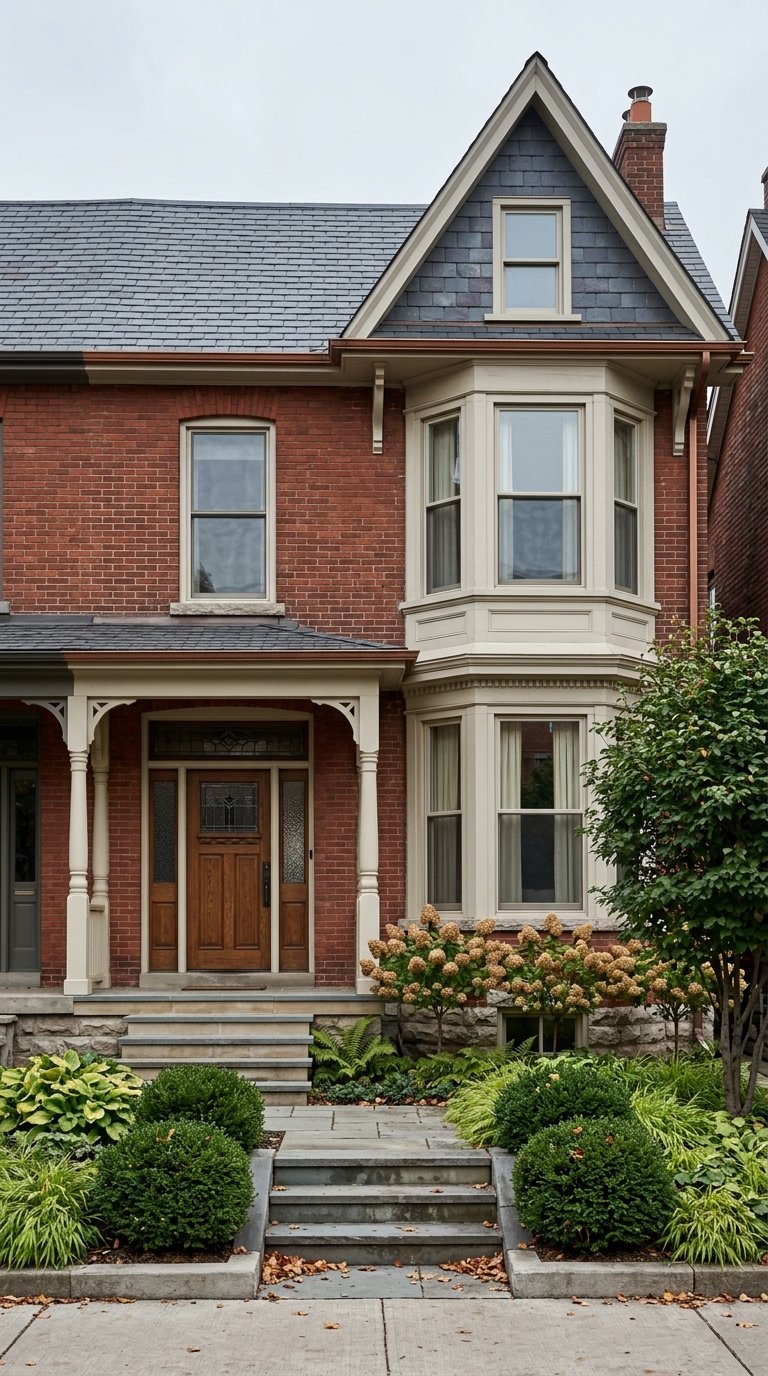
One of the clearest defining features of Casa Loma is its built form. The City’s heritage work highlights architectural styles such as Arts and Crafts, Tudor Revival, Edwardian, and Georgian Revival.
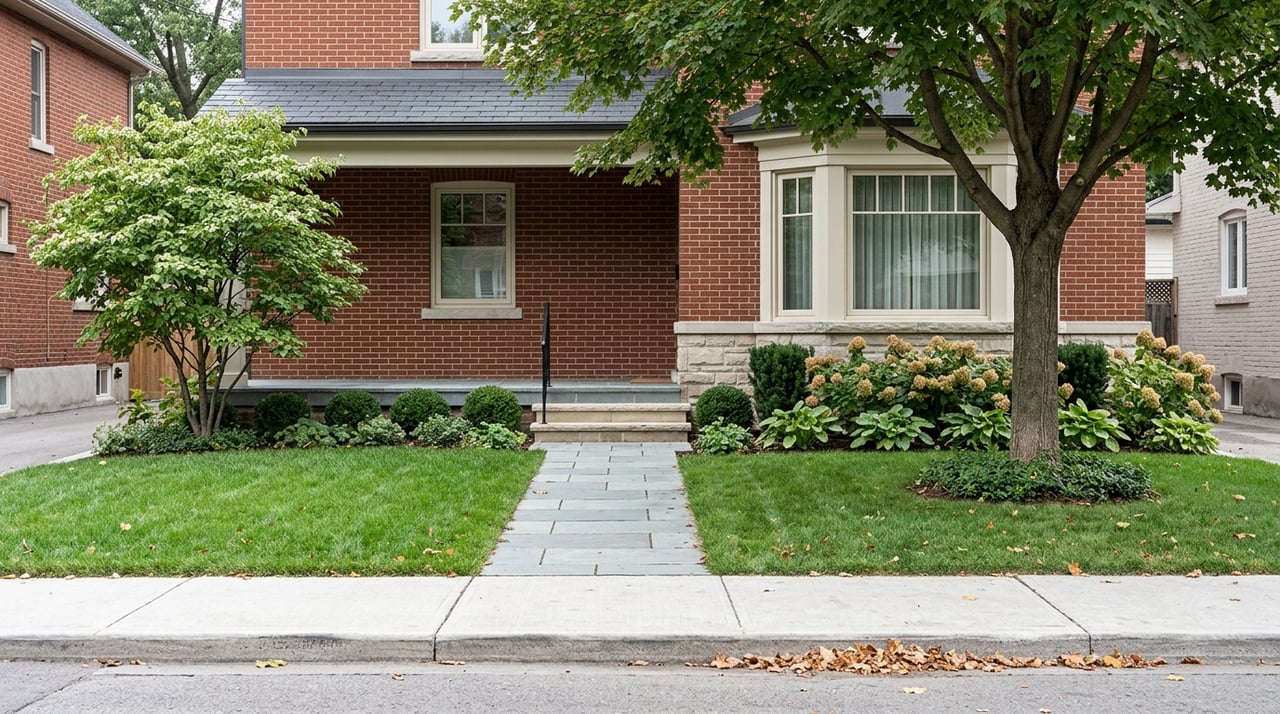
For you as a buyer or future resident, that means the neighbourhood often feels visually layered rather than uniform. Many streets present older homes with notable setbacks, mature landscaping, and a strong sense of established character.
Tree canopy and views show up repeatedly in the City’s planning material. Combined with the escarpment setting, those details help explain why Casa Loma can feel quieter and more tucked away than denser downtown corridors nearby.
Why Casa Loma feels so green
For a central Toronto neighbourhood, Casa Loma has a notably leafy feel. That comes from a combination of ravines, parkland, estate gardens, and generous private landscaping.
Toronto treats its ravine network as both an ecological asset and a recreation system. In practical terms, that helps explain why Casa Loma feels connected to nature even though it remains close to the city core.
Nordheimer Ravine is one of the area’s defining natural features. The City’s stewardship program notes that it contains one of the finest stands of old oak trees in Toronto, which adds to the sense of established greenery around the neighbourhood.
Parks and outdoor routines
If outdoor access is part of your daily routine, Casa Loma offers more than postcard scenery. Nearby Sir Winston Churchill Park spans 8.6 hectares and includes a perimeter trail, playground, off-leash area, sports field, and tennis courts.
That range of amenities gives you options whether your ideal morning starts with a walk, a run, or time outside with a dog. The park’s south end also sits in a ravine directly east of Nordheimer Ravine, reinforcing the area’s green edge.
The castle grounds add another layer to outdoor life. Casa Loma’s estate gardens cover 5 acres and include formal perennial borders, sculptures, fountains, and a wooded hillside.
Next door, Spadina Museum also offers grounds and gardens that are open daily. Together, these spaces make the neighbourhood feel visually rich and unusually landscaped for such a central location.
Heritage and culture in daily life
Living near Casa Loma means being close to one of Toronto’s best-known historic landmarks. The City describes Casa Loma as a City-owned tourism and event facility with a historic main house, grounds, stables, a hunting lodge, and other buildings.
That gives the neighbourhood a distinct cultural identity. While the interior streets are primarily residential, the landmark presence adds energy and visibility at key points without defining every block.
Spadina Museum reinforces that heritage character. Having two major historic sites side by side gives the area a cultural texture that feels different from neighbourhoods built around newer retail strips or large condo clusters.
Dining and nearby amenities
Casa Loma’s amenity mix leans more heritage-and-hospitality than traditional main street retail. On the castle grounds, hospitality offerings include Liberty Café, Terrace Grill, and BlueBlood Steakhouse.
That does not mean you are isolated from everyday conveniences. For broader errands, dining, and shopping, nearby Bloor Street West between Avenue Road and Bathurst Street provides access to a high-traffic mixed-use district with major cultural institutions and a vibrant retail and commercial presence.
The City’s Bloor Corridor work also emphasizes pedestrian priority and new public realm spaces. For you, that means Casa Loma can offer a residential setting at home while still placing wider amenities within easy reach.
Is Casa Loma mostly residential or tourist-oriented?
This is one of the most common questions about the neighbourhood, and the answer is both. The interior streets are primarily residential, but the castle, museum, and event uses create pockets of visitor activity around key destinations.
In daily life, that usually translates to a layered environment rather than a purely tourist-driven one. You can live on a quiet residential street while still being near one of the city’s most recognizable attractions.
That balance is part of Casa Loma’s appeal. It offers a sense of retreat without disconnecting you from culture, hospitality, and broader city access.
Transit and commuting from Casa Loma
Despite its hilltop, tucked-away feel, Casa Loma connects well to the rest of Toronto. Dupont Station is a key Line 1 access point on the west side of the neighbourhood and is listed by the TTC as accessible.
Dupont Station also connects to surface routes including 26 Dupont, 127 Davenport, and 19 Bay. That gives you several options for moving east-west or linking into surrounding districts.
St Clair West Station is another important access point. The TTC lists it as accessible, on Line 1, and connected to a bus-and-streetcar platform with routes including 7 Bathurst, 33 Forest Hill, 90 Vaughan, 126 Christie, 307 Bathurst, 312 St Clair, and 512 St Clair.
If you commute downtown or move around central Toronto often, that transit setup adds flexibility. In practical terms, Casa Loma offers straightforward subway access while still preserving a more residential street-level experience.
Who Casa Loma may suit best
Casa Loma can appeal to several types of buyers, but it is especially compelling if you value architecture, greenery, and a sense of place. If you are drawn to older homes, established streetscapes, and central neighbourhoods with visual character, this area deserves a closer look.
It may also suit buyers who want proximity to downtown without living in a condo-dominant environment. The combination of Line 1 access, ravine edges, and heritage housing creates a living experience that feels distinct within Toronto’s core.
For some buyers, the presence of tourism and event activity near the castle will be part of the appeal. For others, it will simply be an important factor to understand block by block when evaluating fit.
What to consider before moving here
As with any distinctive Toronto micro-market, Casa Loma is not just about location on a map. The neighbourhood’s value often comes from the details, including street position, escarpment setting, proximity to ravines, and the character of the housing stock.
If you are looking at an older home, design condition and long-term upkeep may play a major role in your decision. In a heritage-rich area, that kind of analysis can matter just as much as square footage or bedroom count.
It also helps to think about your preferred daily rhythm. If you want quiet residential surroundings, green space, and quick access to both cultural destinations and transit, Casa Loma offers a compelling blend.
In a neighbourhood like this, local insight matters. If you are considering a move to Casa Loma or preparing to sell a heritage or high-value home nearby, Taylor Townley Real Estate offers discreet, strategic guidance grounded in Toronto neighbourhood expertise.
FAQs
What is Casa Loma like for daily living in Toronto?
- Casa Loma is primarily a residential neighbourhood with heritage homes, older apartment buildings, mature trees, ravine edges, and a pedestrian-friendly street pattern.
How green does Casa Loma feel compared with central Toronto?
- Casa Loma feels very green by central Toronto standards because of nearby ravines, Sir Winston Churchill Park, the Casa Loma gardens, and the grounds at Spadina Museum.
How do you commute downtown from Casa Loma?
- You can access Line 1 from Dupont Station or St Clair West Station, with additional TTC bus and streetcar routes adding flexibility.
What kinds of homes define Casa Loma’s character?
- City heritage materials point to older low-rise housing and styles such as Arts and Crafts, Tudor Revival, Edwardian, and Georgian Revival.
Does Casa Loma feel more residential or more tourist-focused?
- It is both, but in different ways: the interior streets are mainly residential, while Casa Loma and nearby historic sites create visitor activity around specific landmark areas.