
Selling a home in Moore Park is rarely a simple matter of tidying up and picking a list date. Many properties here have long ownership histories, older construction, and in some cases heritage considerations that can shape both timing and preparation. If you want a smoother sale with fewer surprises, the smartest move is to plan well before the sign goes up. Let’s dive in.
Start Early and Think Strategically
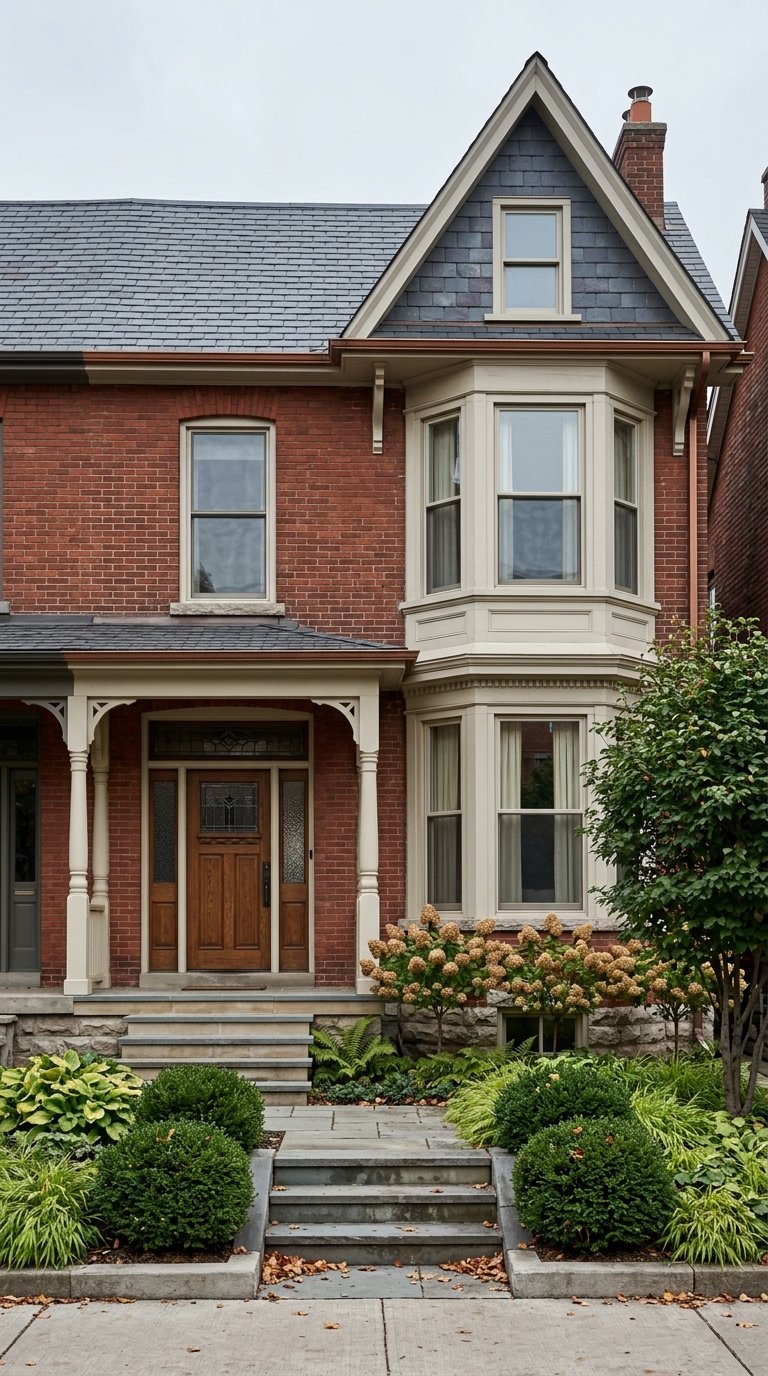
If you expect to sell within the next 12 months, give yourself time to prepare in stages. Moore Park is one of Toronto’s older, heritage-sensitive residential areas, with much of its housing stock developed between 1900 and the 1930s. That means your home may have character and architectural value, but it may also come with older systems, past renovations, or paperwork that should be reviewed before you list.
A measured approach often works better than a rushed one. In Rosedale-Moore Park, 27.9% of residents were age 65 and over in 2021, which helps explain why many local sales involve long-tenure owners or downsizers planning carefully. If that sounds like your situation, a quiet, step-by-step process can help you protect value and reduce stress.
Step 1: Assess Condition Before You Improve
Before you spend money on paint, fixtures, or larger updates, take stock of the home as it stands today. Ontario notes that a home inspection can help determine value and can be useful whether you are buying or selling. It is a visual review of major systems and components, not a pass-or-fail test.
For an older Moore Park home, a pre-list inspection can be especially useful. If your property has had additions, renovations, or years of layered maintenance decisions, an inspection may help you identify issues early and decide what needs attention before buyers begin their own due diligence.
Why a Pre-List Inspection Can Help
A pre-list inspection can give you a clearer picture of the home’s strengths and weaknesses. It may also help you avoid last-minute negotiations driven by discoveries made after the property is on the market.
This is often less about perfection and more about clarity. When you know the condition of the roof, windows, foundation, plumbing, electrical, or mechanical systems, you can plan your next steps with more confidence.
Step 2: Build Your Paper Trail
In Moore Park, documentation matters. Buyers looking at older homes often want context around renovations, upkeep, and any work that may have involved planning or heritage review.
Start gathering your records early, including:
- Building permits
- Renovation invoices
- Warranty documents
- Service and maintenance records
- Surveys or floor plans if available
- Correspondence related to heritage status or planning review
A complete file helps support pricing, answers common buyer questions, and creates a more organized sale process. It also shows that the home has been cared for thoughtfully, which can matter just as much as cosmetic presentation.
Step 3: Check Heritage Status Before Listing
Heritage status is one of the most important planning items in Moore Park. Some of the area’s earliest surviving century homes may merit heritage evaluation, and the neighbourhood’s historic garden-suburb character is part of what makes preparation here more specialized than in many other parts of Toronto.
The City of Toronto’s heritage permit guide says you can use the City’s Heritage Register Map or Tool to check whether a property is designated or listed. That distinction matters, and it is worth confirming early in your planning process.
Listed vs. Designated Properties
A listed property does not have the same legal protection as a designated property under the Ontario Heritage Act. Still, owners of listed properties must give the municipality at least 60 days’ written notice before demolishing or removing a building or structure.
For designated properties and Heritage Conservation District properties, City guidance says approval is required before alteration or demolition. Applications may require recent photos, drawings, written specifications, and technical heritage studies.
Why This Matters Before You Sell
If you were considering work before listing, heritage status should be reviewed first. Even well-intentioned updates can raise questions if they affect protected features or require approval that was not addressed.
Checking this early helps you avoid delays and present the home with greater confidence. It also allows your selling strategy to reflect the property’s actual planning context, not assumptions.
Step 4: Focus on Repairs That Reduce Buyer Concern
Not every improvement adds value in a meaningful way. In many cases, the better strategy is to address visible maintenance issues that could distract buyers or trigger concern, rather than launching into major discretionary renovations.
That might include correcting deferred maintenance, replacing broken hardware, servicing mechanical systems, or resolving small issues that make the home feel less cared for than it is. The goal is to reduce friction, not to overbuild for the market.
What to Prioritize
Focus first on items that are easy for buyers to notice or that may come up in an inspection, such as:
- Water staining or signs of moisture
- Cracked or damaged finishes
- Non-functioning windows, doors, or locks
- Outdated or missing maintenance records
- Safety-related concerns with stairs, railings, or systems
In a neighbourhood like Moore Park, buyers often respond well to homes that feel honest, maintained, and well-documented. A polished presentation helps, but clarity around condition is often just as important.
Step 5: Understand Disclosure Before Negotiations Begin
Ontario’s real estate regulator says sellers do not have to disclose patent defects, but they must disclose latent defects, and concealment can create liability. In practical terms, if you know about a hidden issue that could affect the property, it is better to deal with it early.
This does not mean you need to panic over every imperfection. It means you should understand what is known, what is documented, and what may become a negotiation point once a buyer starts asking questions.
A Better Way to Handle Known Issues
If there is a past leak, structural concern, foundation repair, or another known issue, gather the relevant records now. Depending on the situation, that may include invoices, inspection notes, contractor reports, or legal advice.
Transparency tends to create a stronger process than avoidance. When issues are understood upfront, you are in a better position to price appropriately, prepare supporting documentation, and avoid surprises during conditional periods.
Step 6: Time the Launch Around Readiness
Many sellers ask whether spring is the best time to list. Timing matters, but launch quality often matters more.
TRREB’s April 2026 report said GTA home sales rose 7% year over year while new listings fell 9.3%. At the same time, the average price fell 4.9%, and TRREB noted that market conditions tightened in the first full month of spring even though buyers still had ample choice and negotiating power.
In the City of Toronto, detached homes averaged $1,668,973 in April 2026. But in Moore Park, broad averages only tell part of the story. The condition of your home, its heritage context, lot characteristics, and the quality of your documentation can all affect how buyers interpret value.
Why Benchmark Pricing Matters
TRREB notes that the MLS Home Price Index is less volatile than average and median price measures because it adjusts for differences in housing features and sales mix. For sellers, that is a useful reminder not to anchor your expectations to a headline number alone.
In a micro-market like Moore Park, pricing should reflect comparable condition, presentation, and property attributes. A well-prepared home that is priced from reliable benchmarks is typically in a stronger position than one that relies only on neighborhood prestige or seasonal optimism.
Step 7: Prepare the Story Buyers Will Need
By the time your home goes live, buyers should be able to understand three things quickly: what the property is, how it has been maintained, and what makes it compelling in today’s market. That story is built long before the photos are taken.
For Moore Park homes, that often means balancing architectural character with practical clarity. If the home has heritage relevance, meaningful updates, or a unique site relationship such as ravine adjacency, those details should be framed accurately and supported by documentation where possible.
Your Pre-Listing Checklist
If you want a simple roadmap, start here:
- Confirm your sale timeline.
- Review the home’s current condition.
- Consider a pre-list inspection.
- Gather permits, invoices, and service records.
- Check whether the property is listed or designated for heritage purposes.
- Complete targeted repairs that reduce buyer concern.
- Organize disclosure-related information.
- Develop a pricing and launch strategy based on comparable-condition analysis.
This kind of planning can help you move from uncertainty to control. It also creates the foundation for a more discreet and efficient selling process.
Selling in Moore Park often rewards preparation over speed. When you understand your home’s condition, confirm any heritage considerations, organize the right documents, and time the launch around readiness, you give yourself a better chance of a smooth process and a more confident outcome. If you are thinking about a sale in the next year, a confidential planning conversation can help you decide what to do now and what can wait. To discuss a tailored strategy for your home, contact Taylor Townley Real Estate.
FAQs
How far in advance should you prepare to sell a Moore Park home?
- If you expect to sell within 12 months, it is wise to start early so you have time to assess condition, gather documents, review heritage status, and plan repairs without rushing.
Is a pre-list inspection useful for an older Moore Park property?
- Yes. Ontario says a home inspection can help determine value and can be useful for sellers, especially when an older home may have aging systems, additions, or renovation history to review.
How do you check heritage status for a Moore Park house?
- The City of Toronto says you can use its Heritage Register Map or Tool to see whether a property is designated or listed, which is an important step before planning work or preparing for sale.
What repairs should you make before listing a Moore Park home?
- Focus on visible maintenance issues or concerns that could raise buyer questions, such as moisture marks, broken hardware, safety issues, or deferred upkeep, rather than taking on major discretionary renovations.
What defects must a Toronto home seller disclose?
- Ontario’s real estate regulator says sellers must disclose latent defects, while patent defects do not carry the same disclosure requirement. If you know of a hidden issue, it is best to understand and document it early.
Does spring timing matter more than pricing and condition in Moore Park?
- Spring can bring active demand, but current Toronto market signals suggest buyers still have choice and negotiating power, so condition, documentation, presentation, and benchmark-based pricing remain critical.