Are you planning a winter renovation so you can list your Forest Hill North home this spring? In this neighbourhood, buyers notice every detail. You want upgrades that feel timeless, respect the architecture, and photograph beautifully. In this guide, you’ll learn which projects deliver strong buyer appeal here, how craftsmanship influences resale, and how to plan your winter-to-spring timeline without stress. Let’s dive in.
Forest Hill North buyer expectations
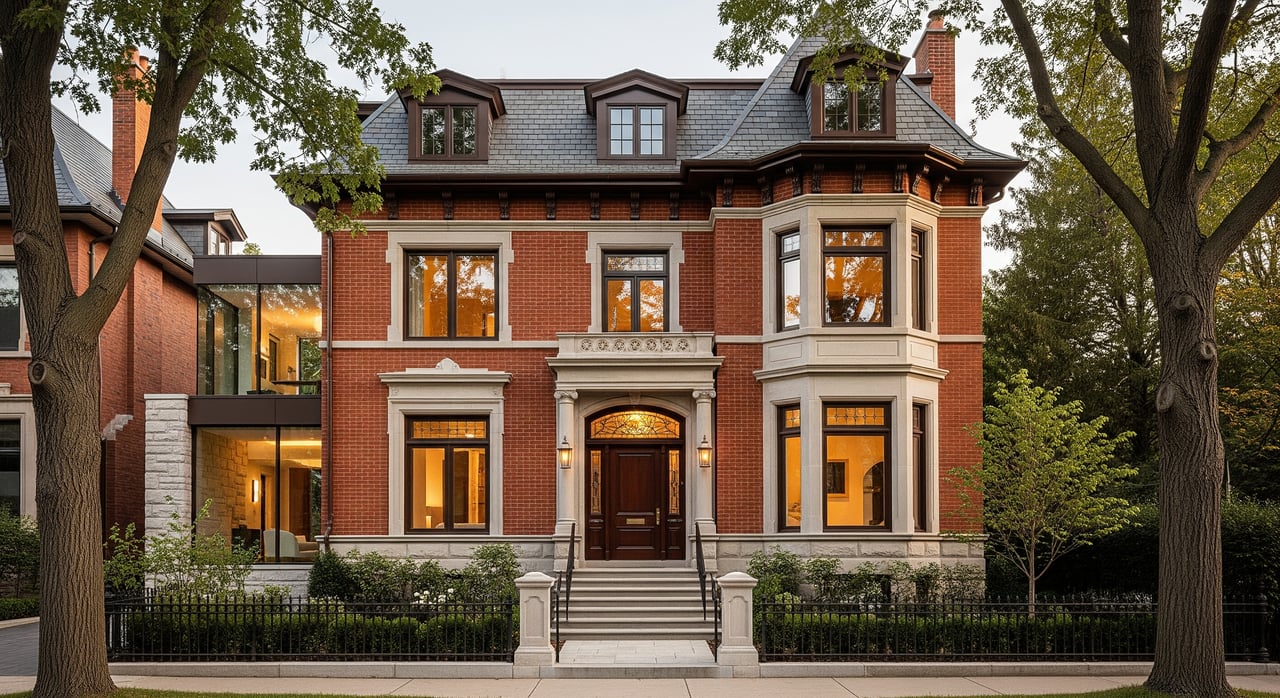
Forest Hill North is defined by elegant, early to mid-20th-century homes and design-literate buyers. You are competing in a high-value segment where finish quality, proportion, and function matter. Buyers expect modernized systems, premium kitchens and baths, and period-aware detailing that feels authentic to the house. If work looks trendy for trend’s sake, or out of sync with the street, you risk longer days on market.
You also want to avoid over improvement. When finishes or custom features far exceed neighbourhood norms, the market does not always reward the extra spend. Align your scope and finish level with nearby comparables, then focus on execution quality.
High-impact upgrades that move the needle
Kitchens that set the tone
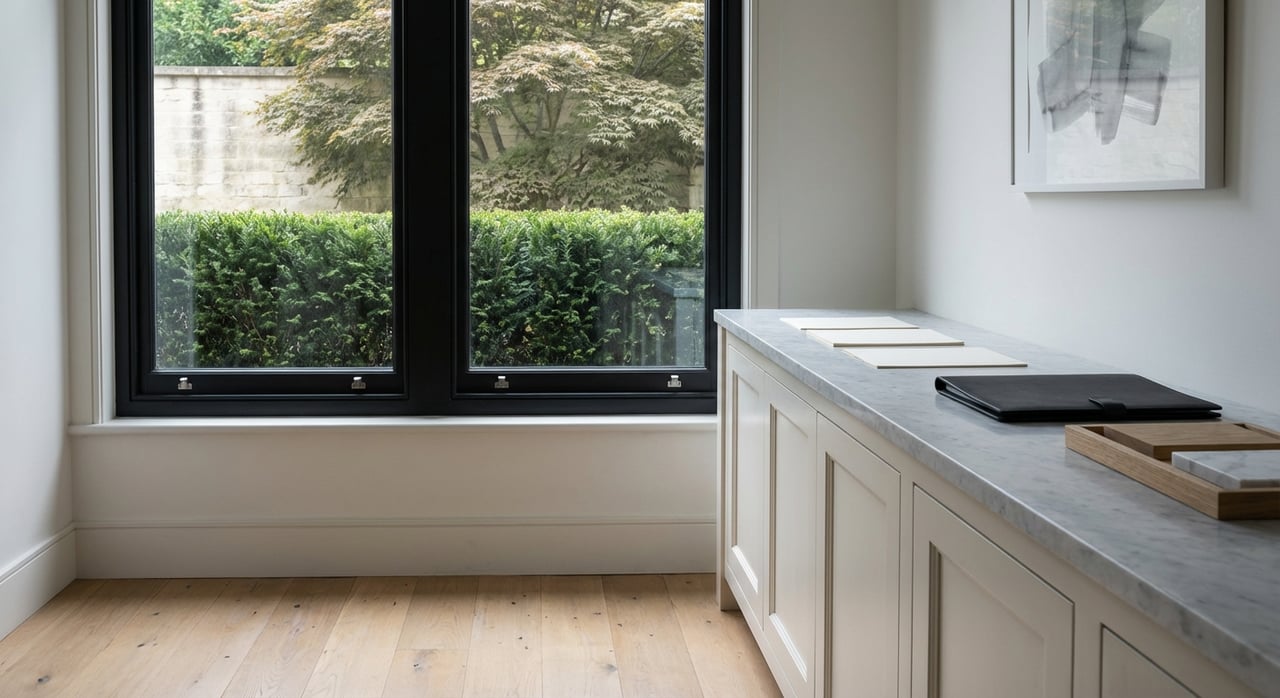
Kitchens often carry the most influence in this market. In Forest Hill North, scale and proportion matter, especially if your home has formal rooms. Choose custom or semi-custom cabinetry with inset or framed doors, quality joinery, and painted neutrals that age well. Natural stone or high-quality quartz with restrained veining reads as timeless, and integrated appliances help the space feel seamless.
Prioritize a functional pantry or butler’s pantry if your layout allows. These spaces are common in larger period homes and signal thoughtful design. Avoid hyper-personalized color schemes or novelty materials that can limit appeal.
Spa-level bathrooms buyers expect
Bathrooms rank second for impact. Aim for quality tilework, heated floors, and premium fixtures. A generous primary suite with a well-detailed shower and a soaker tub offers everyday comfort and strong showing power. If budget forces a choice, finish one or two key baths to a high standard rather than scattering funds across many small updates.
Millwork and original features
In Forest Hill North, authentic millwork is a major value signal. Restore original trim, staircases, and built-ins where possible. When adding new elements, match profiles and proportions to the home’s period so the work feels integrated. Professional finishing and tight joinery are essential. Visible gaps or uneven lines undermine perceived value fast.
Lighting that elevates rooms
Lighting can transform listings and showings with relatively modest cost. Use layered illumination that combines ambient, task, and accent lighting. Consider a statement fixture in the foyer or dining room that respects the room’s scale and style. Add quality dimming controls and energy-efficient LEDs to enhance comfort and highlight finishes in photos.
Flooring and surface finishes
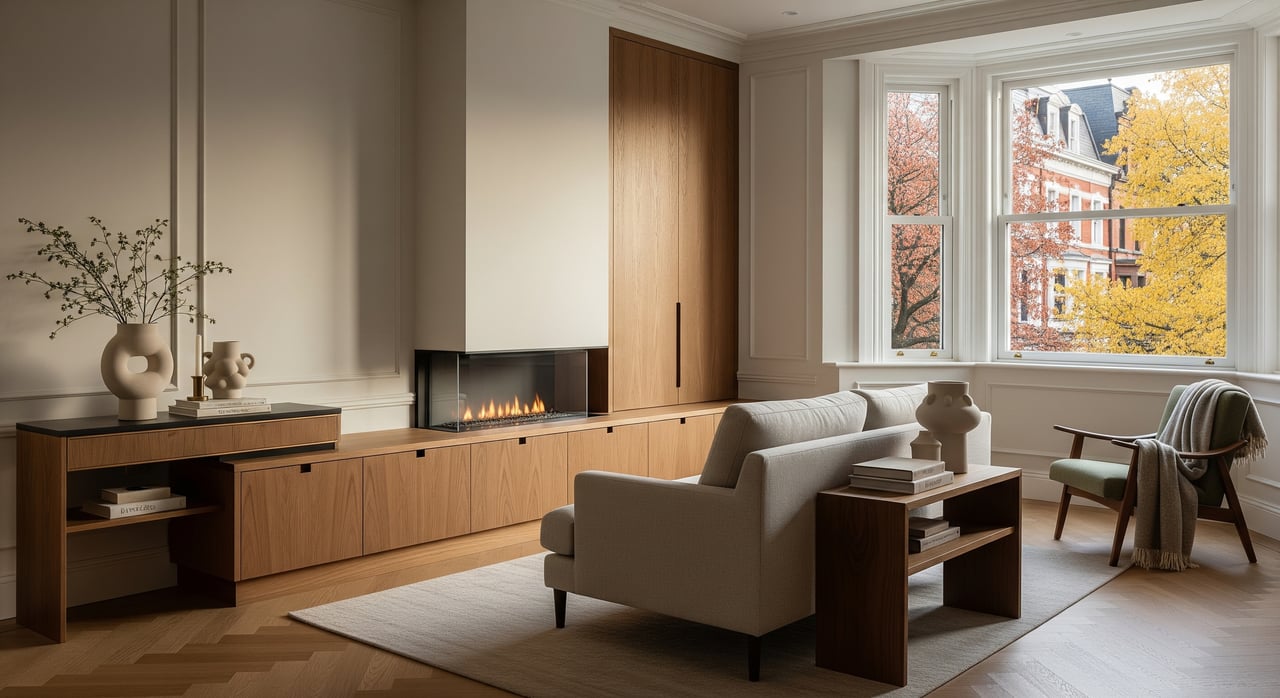
If you have original hardwood, refinishing is often the best path. Keep stain tones natural and consistent across floors to improve flow. Where you replace, choose higher-grade hardwood and consider patterns like herringbone or parquet in formal spaces if historically appropriate. Durable, refined materials in high-traffic areas signal longevity and care.
Mechanical systems and comfort
Buyers in this segment value comfort and low future capital risk. Updated HVAC, electrical panels, and plumbing reduce inspection friction and boost confidence at offer time. Central AC, smart thermostats, and discreet home automation are increasingly expected. Energy efficiency improvements, like insulation upgrades and high-performance windows, can also strengthen your negotiation position.
Basements and flexible lower levels
A finished lower level that feels consistent with the main floors adds meaningful living space. Aim for higher ceilings where possible, quality finishes, and good lighting. An en suite guest or au pair suite can be attractive, especially for multi-generational or frequent-host households. Avoid budget finishes that create a visual gap with the rest of the home.
Curb appeal and exterior details
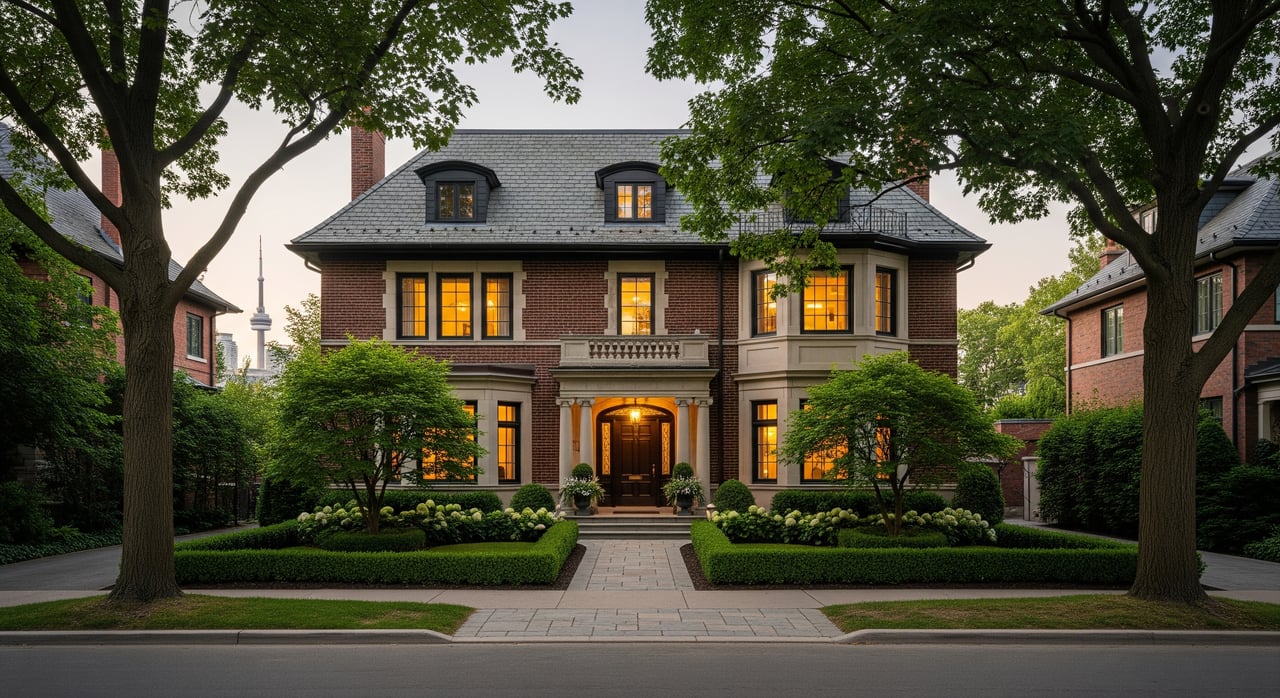
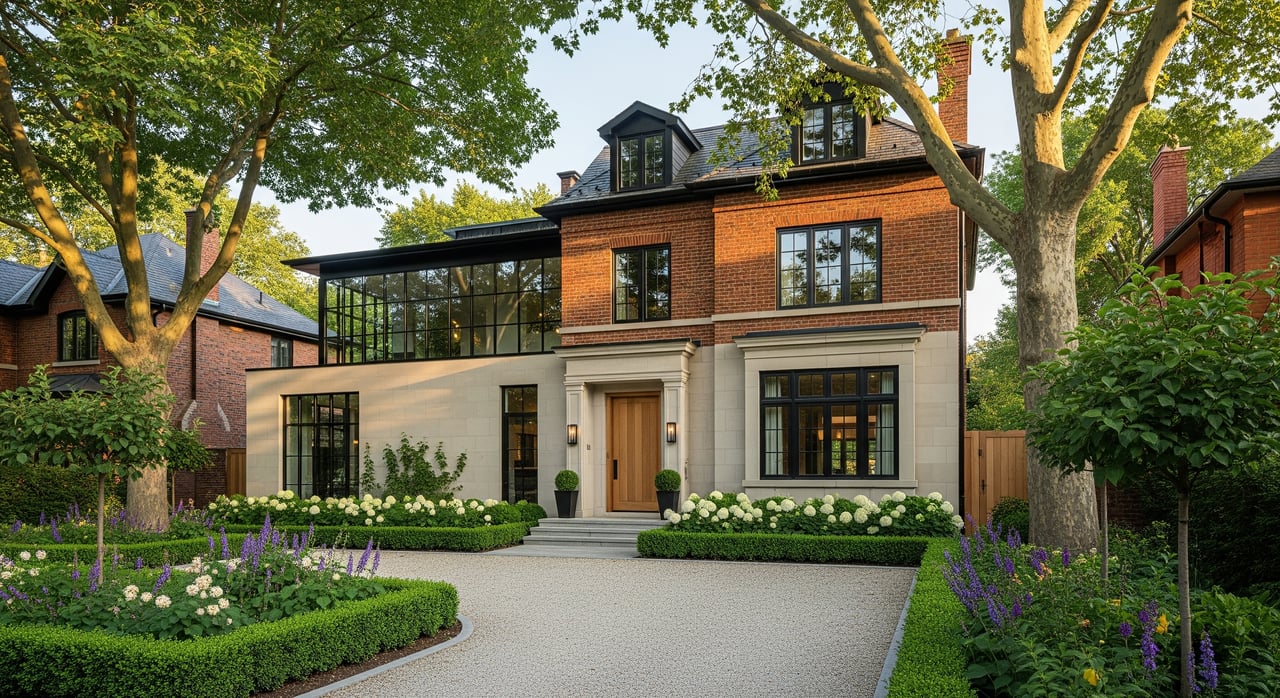
First impressions matter. Restore or replace the front door to a high standard, refresh exterior lighting, and keep landscaping tidy and consistent with the home’s style. Repair porch and stonework where needed. These improvements photograph well and set buyer expectations before they step inside.
Craftsmanship and authenticity drive ROI
Quality is a multiplier. In Forest Hill North, buyers notice uneven grout, misaligned trim, and poorly mitered corners. These small flaws erode trust and can invite price reductions. By contrast, crisp paint lines, tight joinery, and well-sealed stone surfaces make a renovation feel truly premium.
Authenticity often beats trend. A classic inset-door painted kitchen with refined hardware will likely outlast a fashion-forward scheme that clashes with a Tudor or Georgian shell. Let the house guide your choices. When you align materials, profiles, and scale with the architecture, buyers feel a sense of continuity that translates into value.
Professional teams matter. Kitchens, baths, finish carpentry, and systems work typically deliver better results when handled by experienced trades and a design-led general contractor or architect. Proper permits and documentation for structural and systems work reduce risk at sale. Buyers value legal, permitted work, and clean documentation can help your price hold through due diligence.
Winter-to-spring renovation plan
What you can do in winter
Indoor projects like kitchens, bathrooms, millwork, and mechanical upgrades are all feasible in winter. Exterior painting, landscaping, and concrete work may be constrained by temperature. Book contractors early. Winter can sometimes open up schedules, but experienced trades in Toronto remain in demand.
Permits and lead times
Cosmetic updates like paint or flooring typically do not require permits. Structural changes and major electrical, plumbing, or HVAC work do. City permits and inspections add time, so build them into your schedule. Submit applications early and plan for reviews and inspections as part of your critical path.
Sample timeline to hit spring
- 12 to 16 weeks before listing: Finalize scope, select your architect or designer and contractor, and submit permits if needed. Order long-lead items like custom cabinetry and appliances.
- 8 to 12 weeks before listing: Begin major interior work. Complete demolition, rough-ins, and installations for kitchens and baths. Start finish carpentry as rough work closes.
- 4 to 8 weeks before listing: Focus on finishes. Paint, install fixtures, place lighting, and complete hardware. Do light exterior touch-ups if weather allows.
- 2 to 4 weeks before listing: Deep clean, stage, schedule professional photography, and complete any pre-listing inspections or servicing. Align pricing and launch strategy with your agent.
Budgeting and contingencies
Older homes can conceal surprises. Carry a 10 to 20 percent contingency for hidden conditions such as rot, asbestos, or wiring upgrades. Custom millwork and premium finishes add lead time, so track procurement carefully. Fewer, higher-quality upgrades usually beat a long list of lower-cost fixes.
Staging and presentation
Prioritize elements that photograph beautifully. Fresh paint, polished hardware, clean grout lines, and well-aimed lighting can make rooms read larger and brighter online. Professional staging that complements the home’s architecture helps buyers connect emotionally and can shorten time on market.
Avoid over improving in Forest Hill North
Right-size your scope to the house and street. If you overshoot the market with ultra-custom features that have narrow appeal, you risk longer marketing periods without proportional price gains. Review recent comparable sales, walk active listings, and calibrate your finish standards to neighbourhood expectations. Then execute with precision.
A simple decision framework
- Assess your home’s character and comps, and understand what buyers in Forest Hill North expect at your price tier.
- Fix functional deficits buyers notice first. Focus on kitchens, key baths, lighting, and comfort systems.
- Preserve or restore architectural character through millwork, trim, and period-consistent details.
- Choose quality over quantity. It is better to deliver a few impeccable spaces than many average ones.
- Plan your timeline around permits and lead times. Secure trades early for winter starts.
- Keep a 10 to 20 percent contingency and document everything. Save invoices, warranties, and permit records for the sale.
Ready to talk strategy?
If you want to maximize your spring outcome, pair design-led choices with precise execution and clear documentation. A focused plan that respects your home’s architecture will resonate with Forest Hill North buyers and protect your net proceeds. For tailored guidance on scope, finish level, and timing, connect with Taylor Townley Real Estate for a confidential consultation.
FAQs
What renovation delivers the best ROI in Forest Hill North?
- Kitchens and principal bathrooms typically drive the strongest buyer appeal when scaled and finished to the home, and restoring millwork also ranks high.
How modern should I go with a period home?
- Balance modern function with preserved character, opening sight lines where helpful without erasing defining rooms or period details.
How do I avoid over improving before listing?
- Align your finish level with local comparables, focus on quality execution, and skip niche customizations that narrow buyer appeal.
Do I need permits for my winter renovation?
- Cosmetic updates usually do not, but structural, electrical, plumbing, and HVAC changes almost always require City of Toronto permits and inspections.
How important is craftsmanship to resale value?
- Very important, since buyers equate crisp detailing and proper installation with overall quality, which supports stronger offers and smoother inspections.
Should I finish the basement before I sell?
- A well-executed lower level that matches main-floor quality often adds usable space and value, but avoid over spending beyond neighbourhood norms.